Dream Chemistry Award 2025: visionary scientific ideas celebrated in Prague
Reading time: about 5 minuts

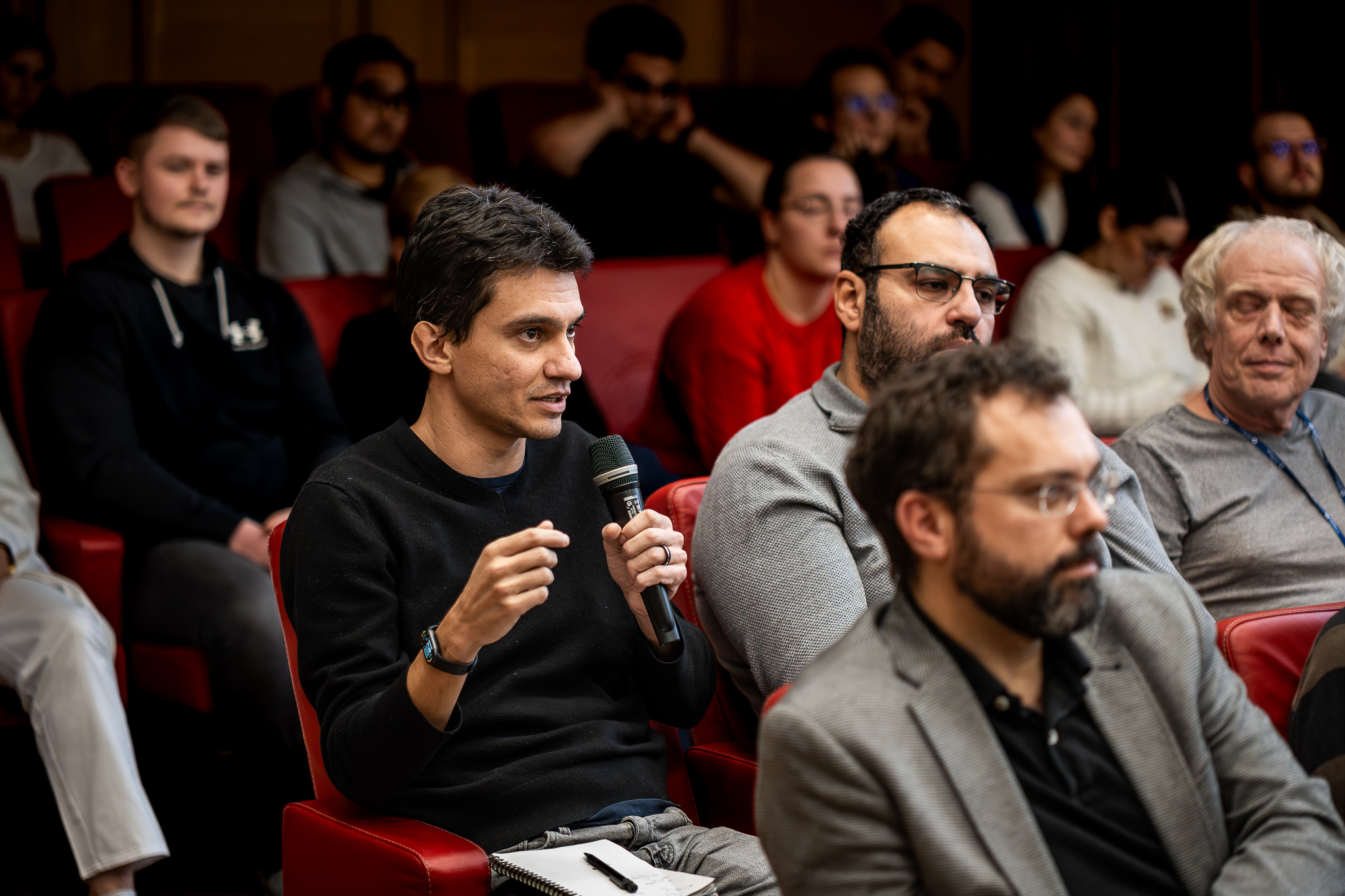
The final of the Dream Chemistry Award (DCA) 2025 took place on December 1–2, 2025, in Prague, bringing together the most outstanding early-career scientists whose bold ideas challenge established boundaries in chemistry and related fields. The competition is jointly organized by the Institute of Physical Chemistry, Polish Academy of Sciences (IChF) and the Institute of Organic Chemistry and Biochemistry of the Czech Academy of Sciences (IOCB Prague). True to its mission, the award honors scientific vision and originality rather than completed research results.
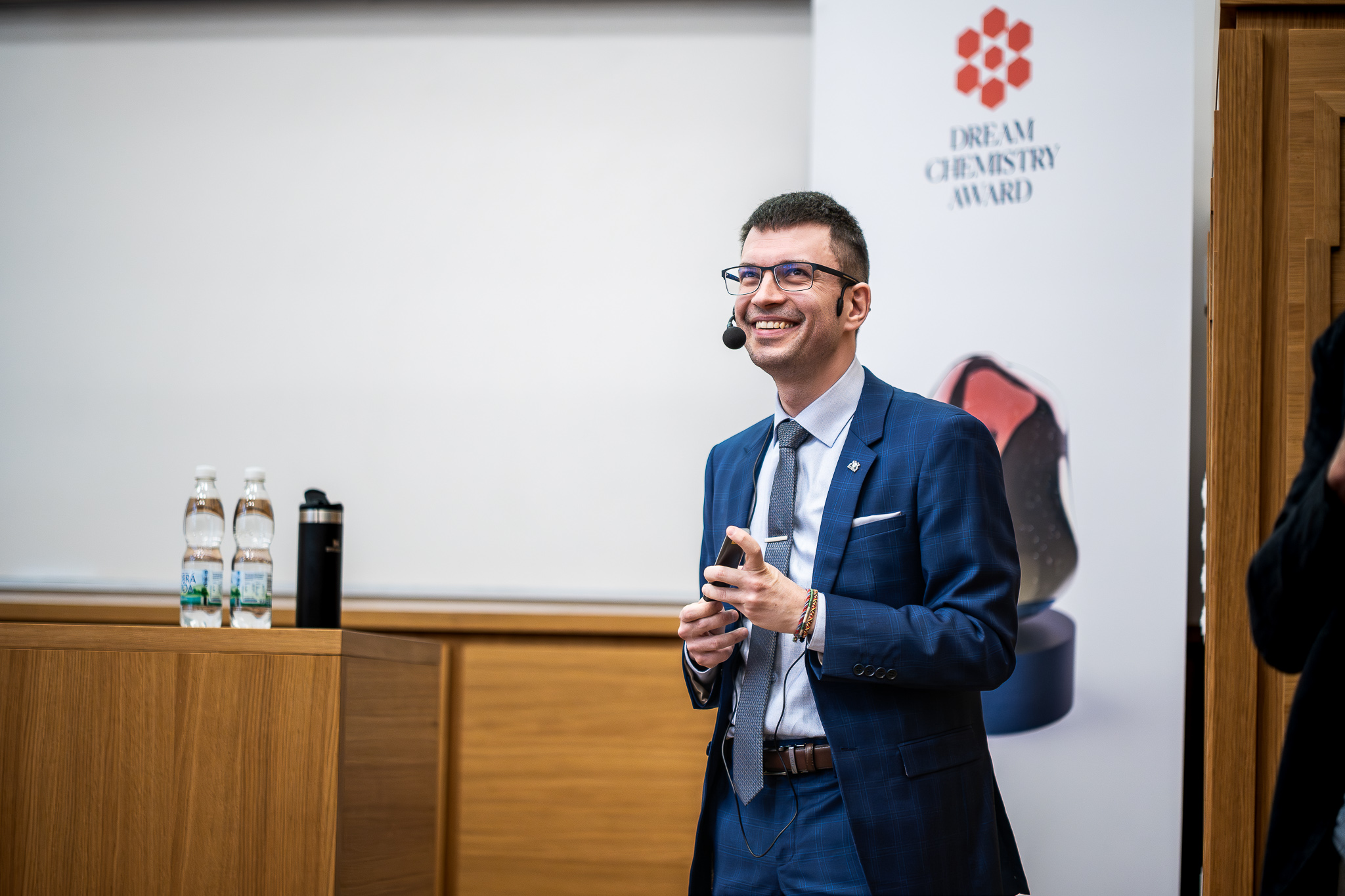
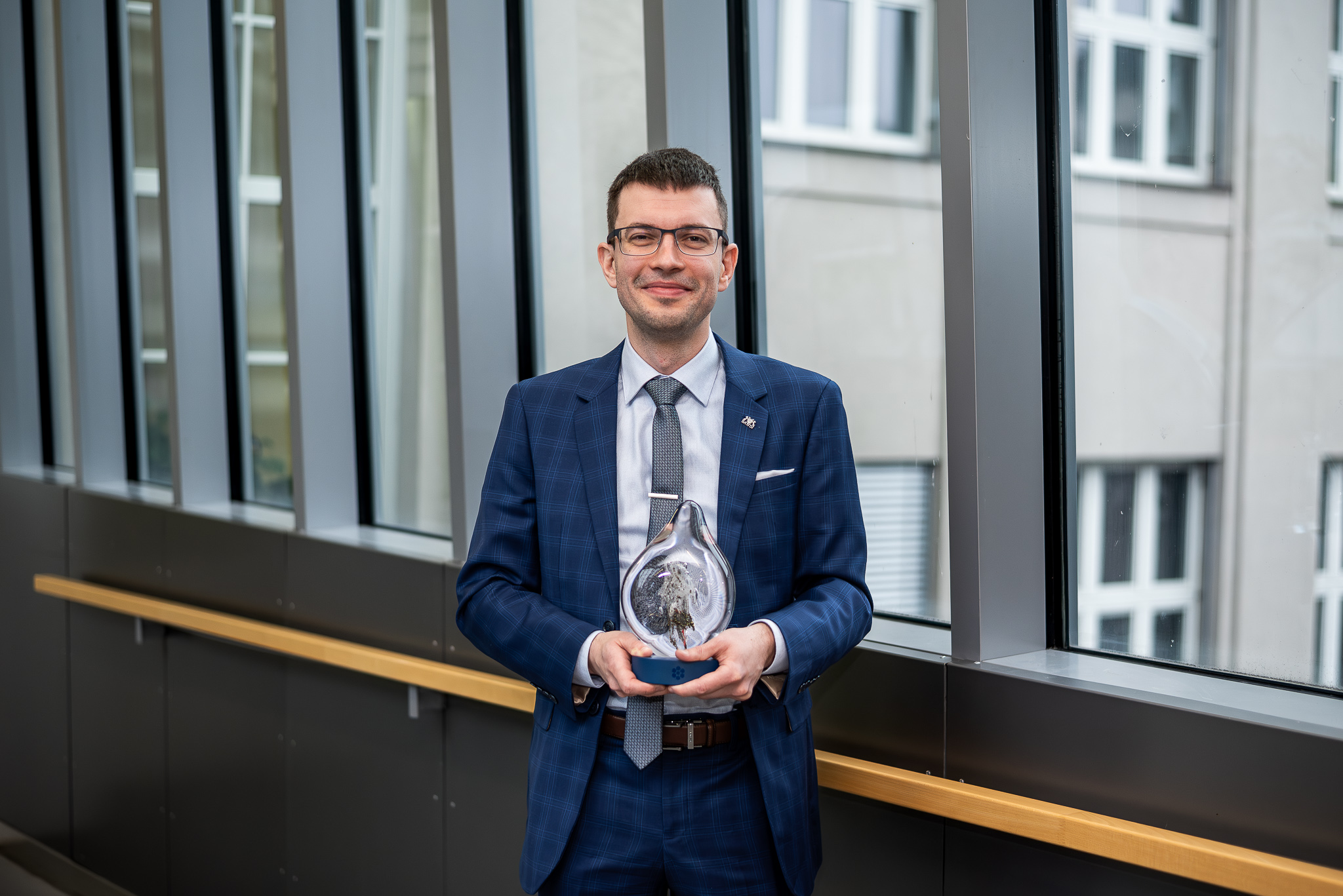
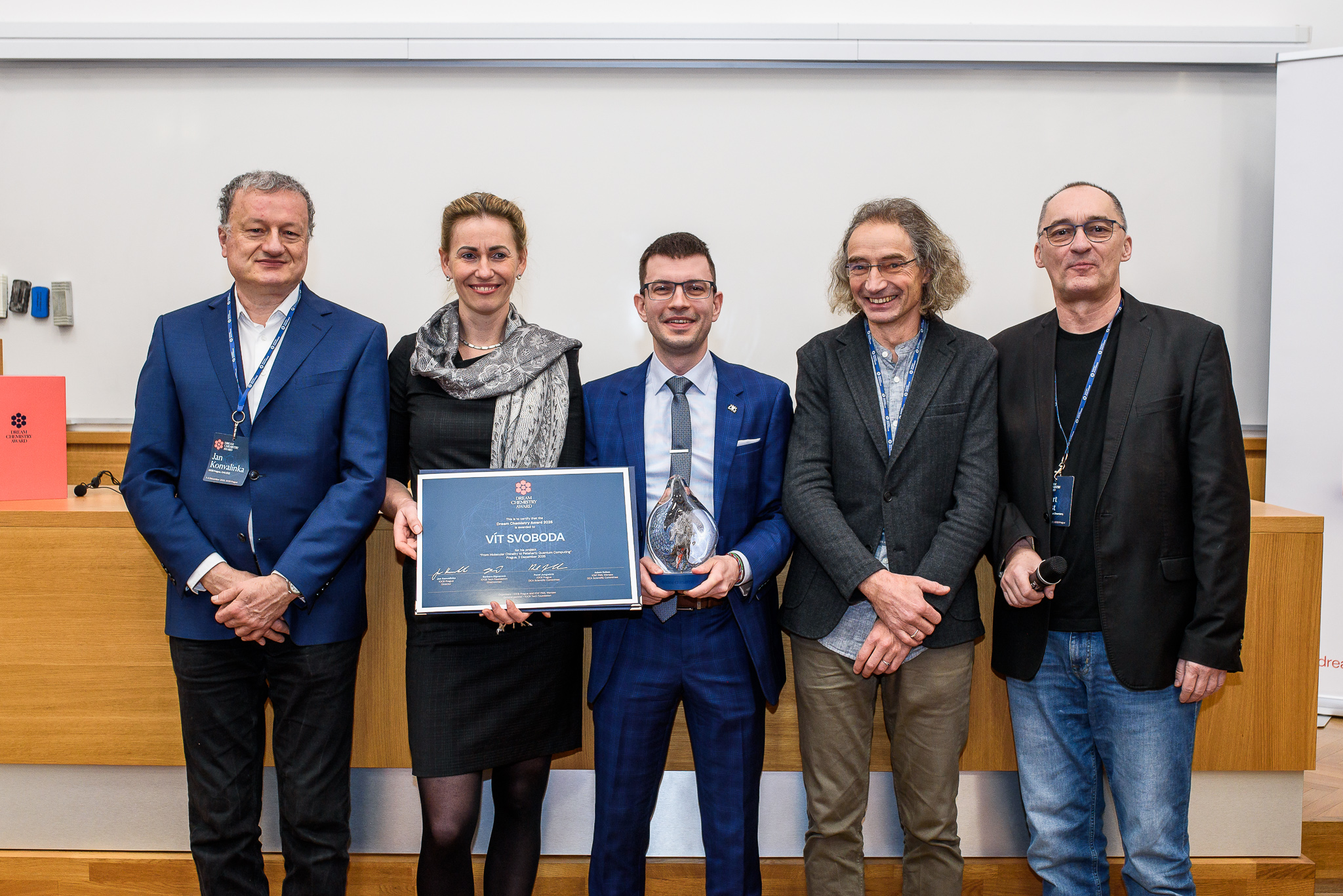
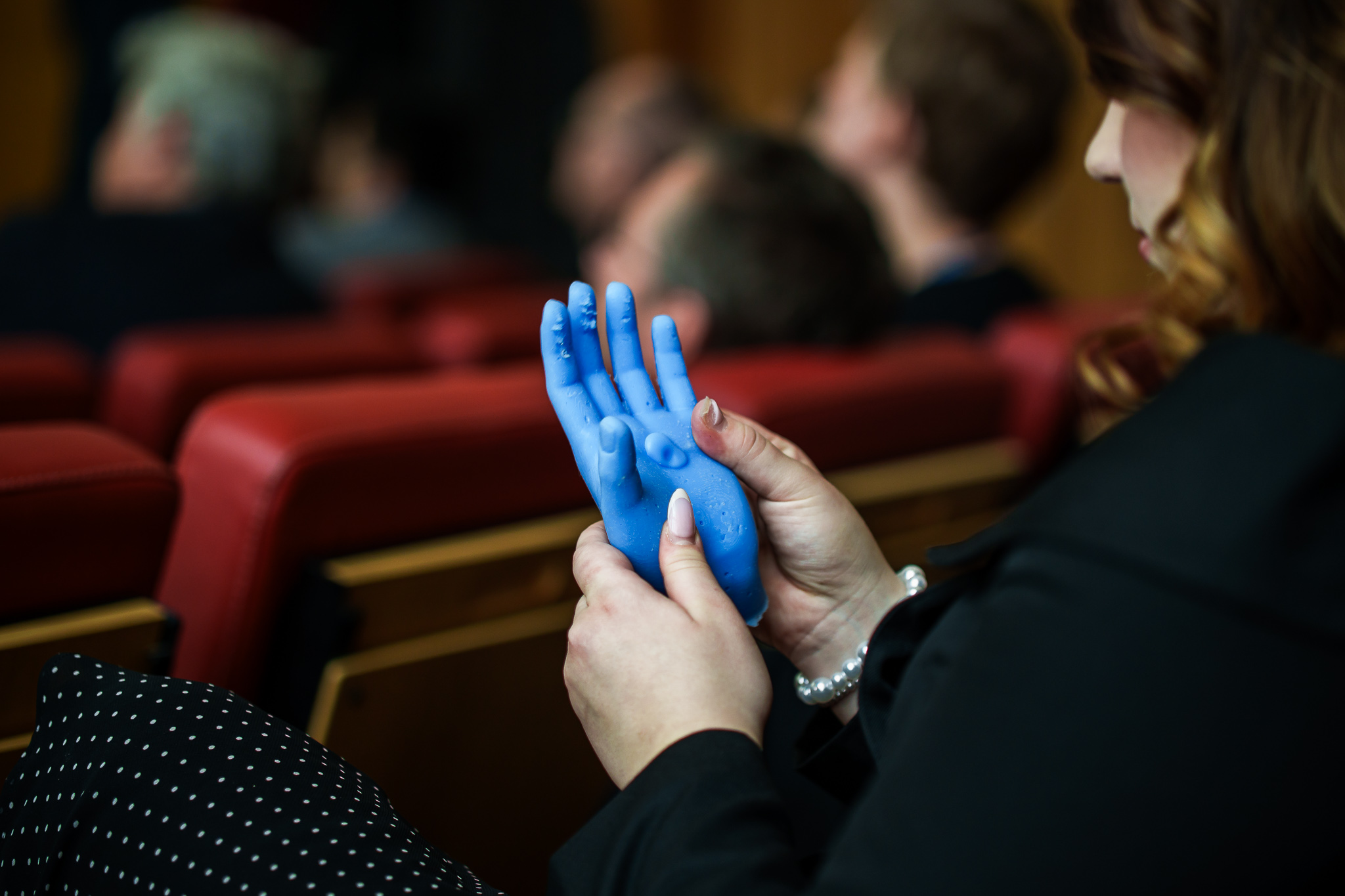
The DCA 2025 was presented to Dr. Vít Svoboda from the Department of Physical Chemistry at the University of Chemistry and Technology in Prague (UCT Prague). His winning proposal, “From Molecular Chirality to Petahertz Quantum Computing,” outlines a radically new approach to quantum computing. Instead of relying on conventional electronics, the concept explores the use of chiral (mirror-asymmetric) molecules controlled by ultrafast laser pulses, combining molecular structure, electron spin, light, and ultrafast optics into a new computational paradigm. This achievement marks the first time in the history of the Dream Chemistry Award that the main prize has been awarded to a researcher from the Czech Republic.
The DCA is open to scientists within seven years of earning their PhD and is designed to encourage young researchers to pursue ambitious and unconventional ideas. Candidates are nominated by distinguished senior scientists from leading institutions worldwide, and submitted proposals are evaluated by an international scientific committee based on their originality, long-term vision, and potential societal impact.
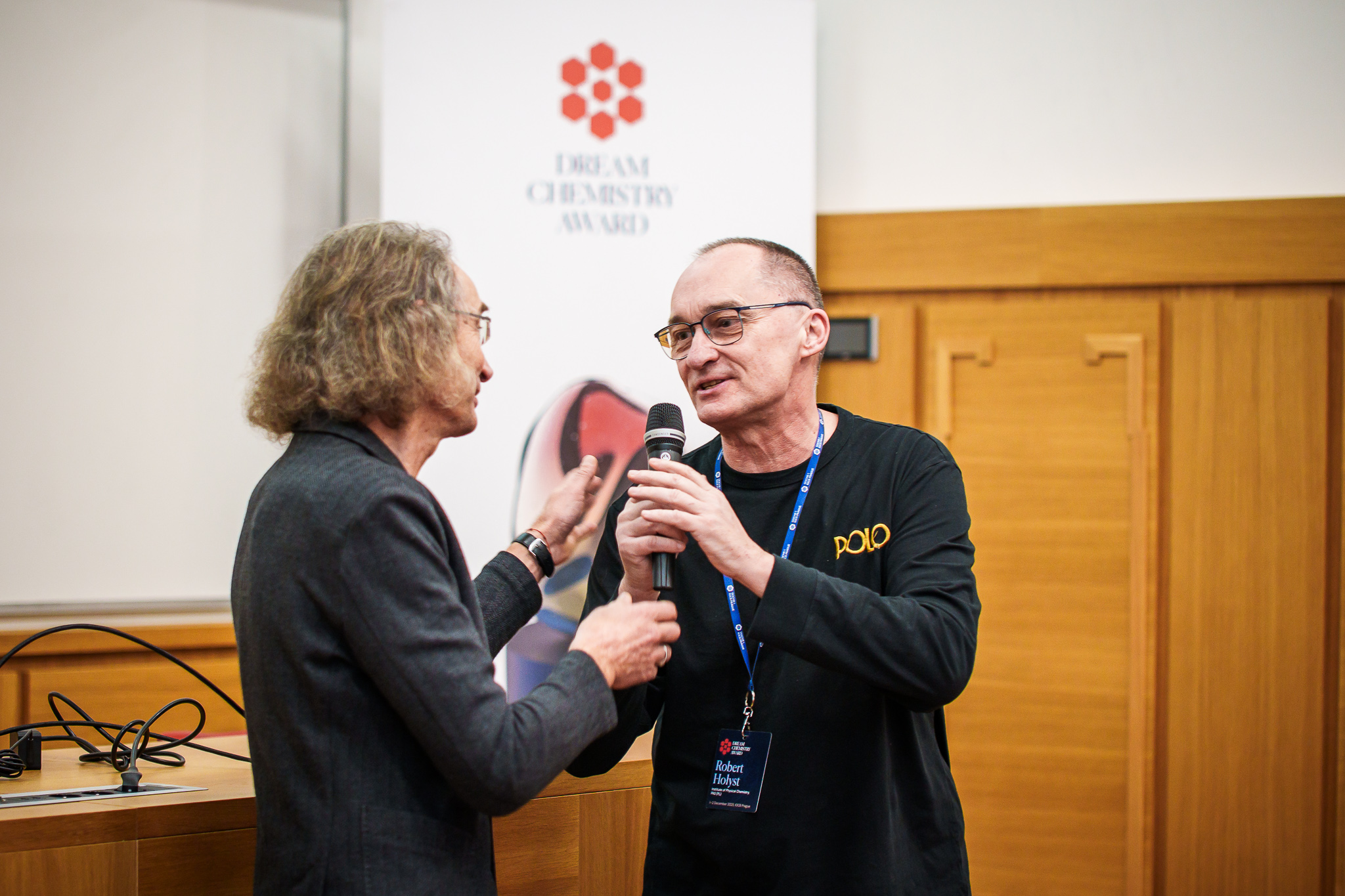
Reflecting on the spirit of the competition, Prof. Pavel Jungwirth (IOCB Prague) emphasized that a successful Dream Chemistry project must truly feel like a scientific “dream”—bold, imaginative, and yet grounded in real scientific possibility. He also drew attention to the significance of this year’s outcome, emphasizing that after many years in which the award went to researchers affiliated with institutions such as Oxford, Cambridge, and Harvard, the victory of a scientist from a Czech university is a particularly promising sign that science in the country has now reached a truly world-class level.
In addition to the winning project, the DCA 2025 Top 5 finalists included the following visionary concepts addressing major global challenges:
- Dr. Xianbiao Fu (National University of Singapore) proposed a more sustainable method for ammonia production, with potential benefits for agriculture and low-emission energy systems.
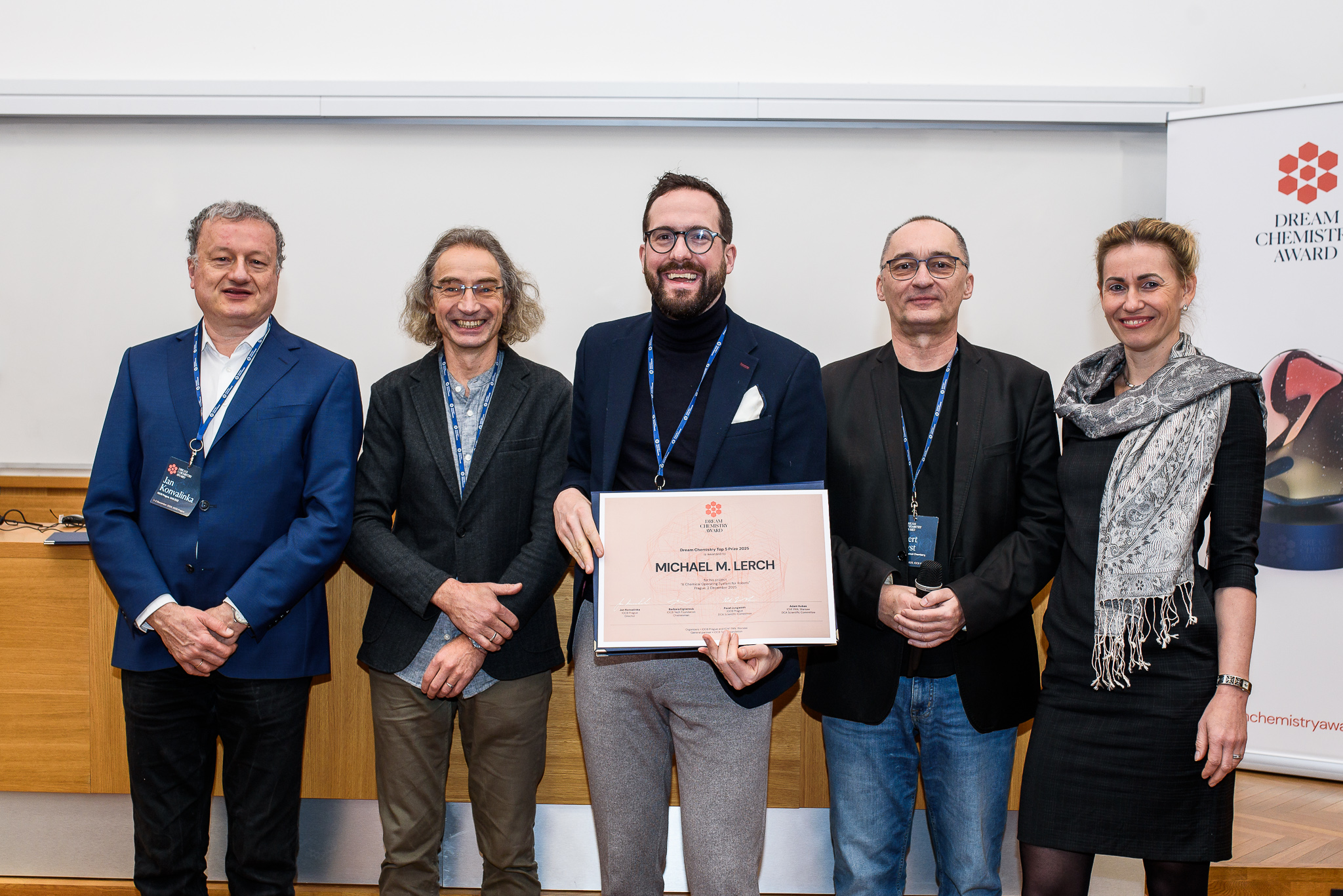
- Dr. Michael M. Lerch (University of Groningen, Netherlands) introduced a chemistry-based vision for adaptive soft robots capable of learning and movement without traditional electronics.
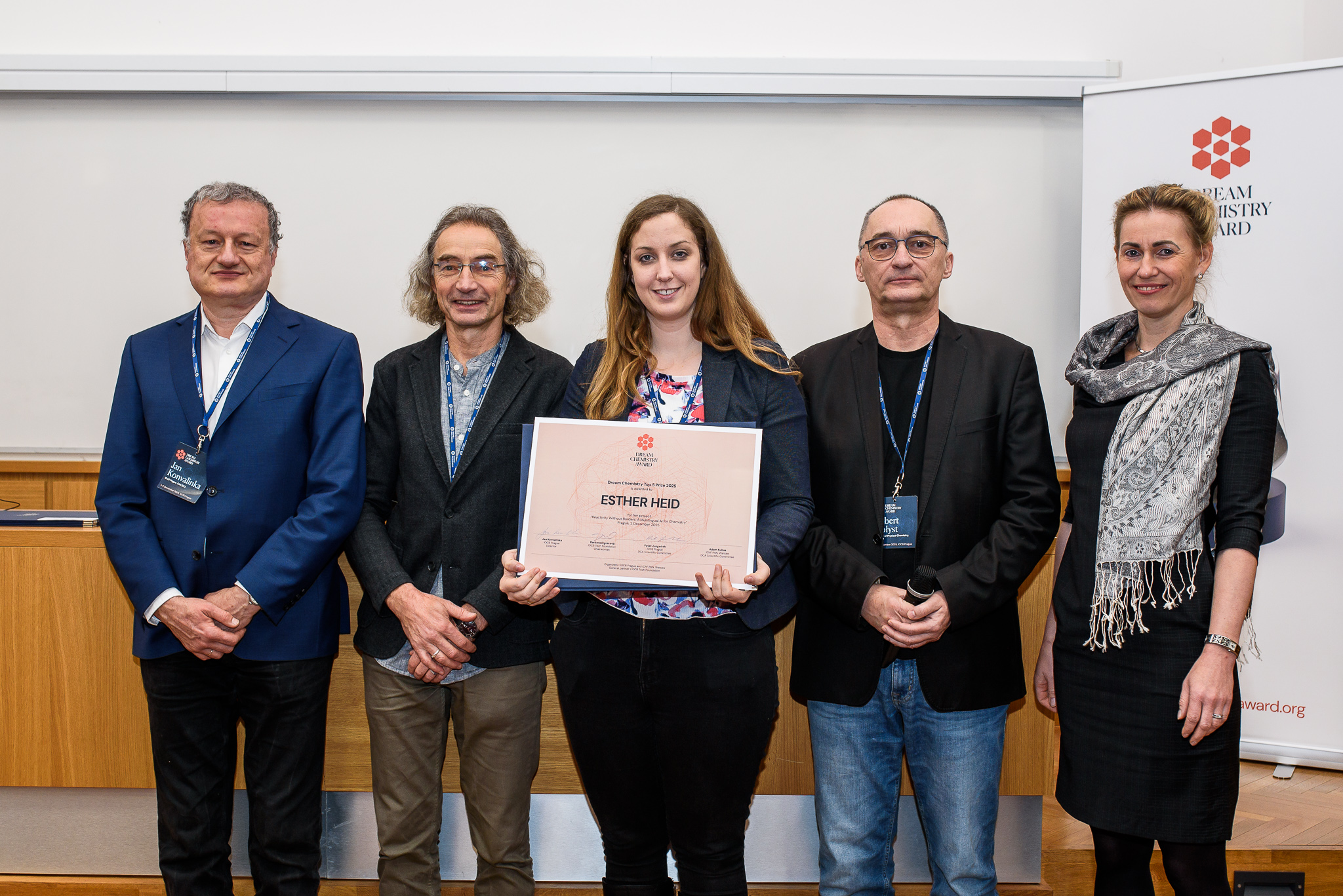
- Dr. Esther Heid (TU Wien) presented a concept for an artificial-intelligence-driven “translator” of chemical reactions, enabling greener and more accessible synthetic routes.
- Dr. Muhammad Jbara (School of Chemistry, Tel Aviv University) proposed designing synthetic peptides and mini-proteins to bind DNA and silence cancer-causing genes, paving the way for personalized cancer therapies.
The Dream Chemistry Award includes a custom-designed glass sculpture symbolizing the moment when a scientific idea takes shape, as well as a €10,000 cash prize for the winner, funded by the IOCB Tech Foundation. The remaining finalists receive the Top 5 Prize and €1,000 each. As noted by Prof. Jan Konvalinka, Director of IOCB Prague and host of the 2025 edition, the award is distinctive in that it celebrates scientific plans and dreams, recognizing the courage required to propose ideas that may redefine entire fields.
The DCA was founded ten years ago by Prof. Robert Hołyst (IChF). Since 2017, it has been co-organized with IOCB Prague, with the final alternating annually between Warsaw and Prague. At the 2025 final in Prague, Prof. Robert Hołyst represented IChF in person. Over the years, the competition has strengthened international collaboration and promoted bold scientific thinking at the interface of chemistry, physics, and technology.
More information about the DCA 2025 final is available on the contest's website: https://www.dreamchemistryaward.org/news/dream-chemistry-award-2025-goes-to-a-project-combining-left-and-right-handed-molecules-with-ultrafast-laser-pulses-for-more-efficient-quantum-computers.
Photos: Tomáš Belloň/IOCB Prague.
Text source: Dream Chemistry Award website.

- Author: Text source: Dream Chemistry Award website
- Photo source: Tomáš Belloň/IOCB Prague
- Date: 19.12.2025