IChF Women’s Day – past, present and future
Reading time: about 4 minuts

Since 2022, we have been striving to implement the Gender Equality Plan (GEP) at the Institute in accordance with the recommendations of Horizon Europe. Certainly, a lot has changed over the past few years, not only thanks to the GEP, but also, and perhaps mainly, thanks to the HR Excellence in Research workgroup, the efforts of the directors, and the perseverance and ingenuity of individuals from our community.
Many people are sceptical about the implementation of the GEP, and perhaps International Women's Day is a good opportunity to show that the GEP is not about women being entitled to something, but about all of us being entitled to work in an inclusive and supportive place in which we can develop our full potential.
Over the last few years, Institute created the position of the Scientist Ombudswoman, an Anti-Discrimination Committee, and developed a Procedure for the Counteracting of Mobbing as well as Guides for new employees and another for recruiters.
To relieve researchers of administrative work, laboratory administrator positions have been created, allowing researchers to focus on science, with at least some of the formalities being handled by someone else. Many improvements have also been made in the area of administration, from the introduction of dedicated administrative software to an ever-increasing amount of available support for incoming foreigners.
We received live and online training in intercultural communication, recognising mobbing and discrimination, and how to respond to them. A variety of online training courses were also made available via the Newsletter. We organised meetings on combining parenthood with an academic career, taking into account labour law, as well as on career planning and opportunities for postdoctoral internships within the city.
The ‘IPC PAS Returns’ competition was introduced to help research and technical staff return to scientific work after long breaks. The social fund now includes various forms of assistance for parents, and thanks to the part-time employment of students, doctoral students also gained access to the fund. The Institute also finances psychological and psychiatric help for its employees.
Career development advisors have been appointed, and a guide to scientific development paths will soon be available, with the advisors themselves conducting training and individual consultations. In the meantime, we have been trained in mentoring and planning individual scientific paths, and top scientists have shared their stories during a series of discussion panels.
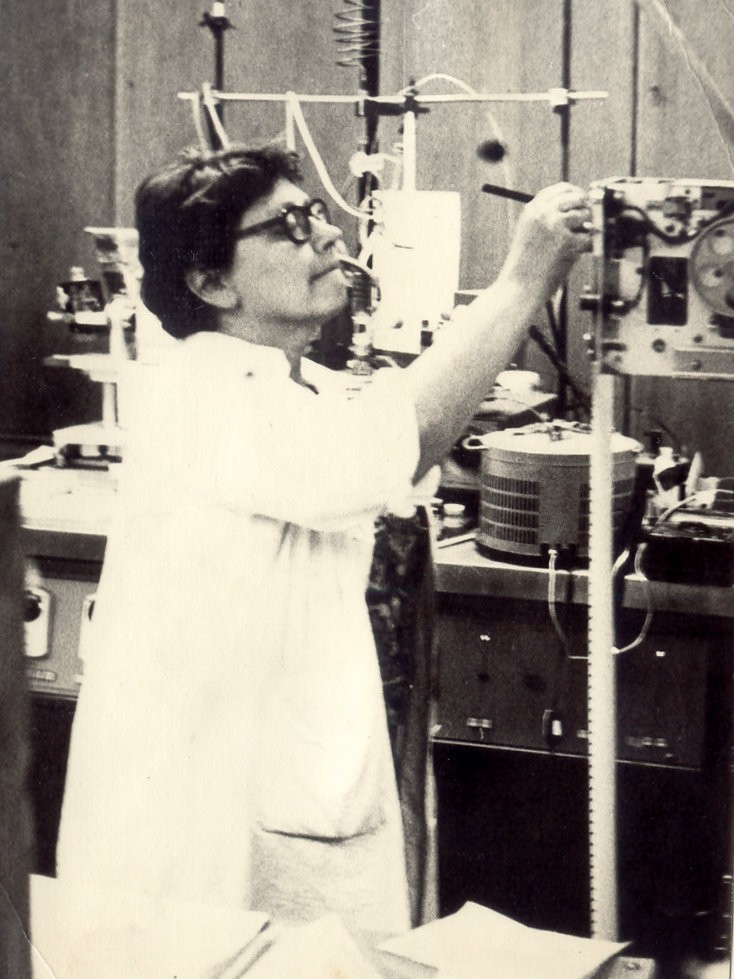
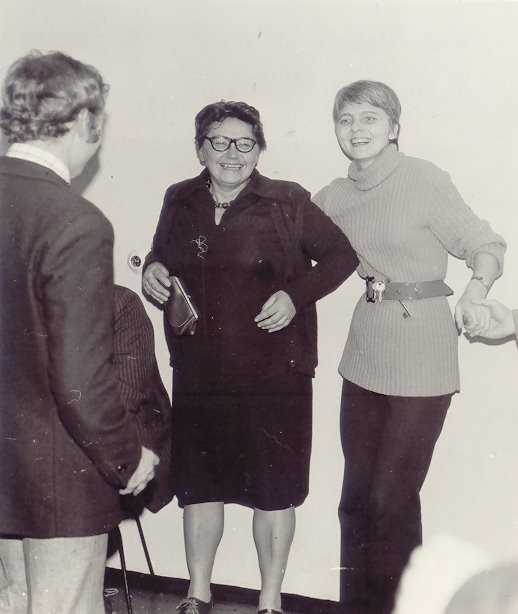
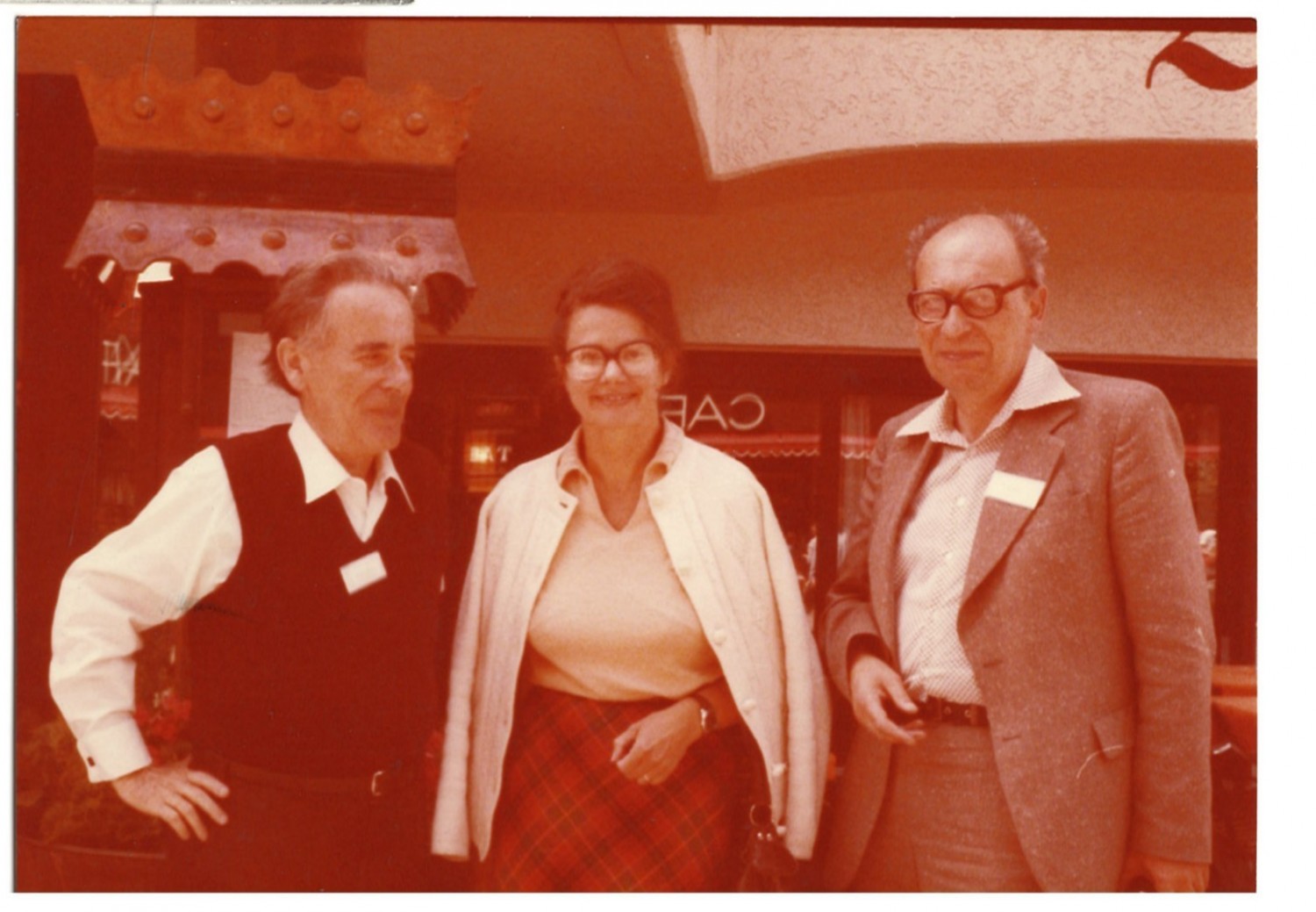
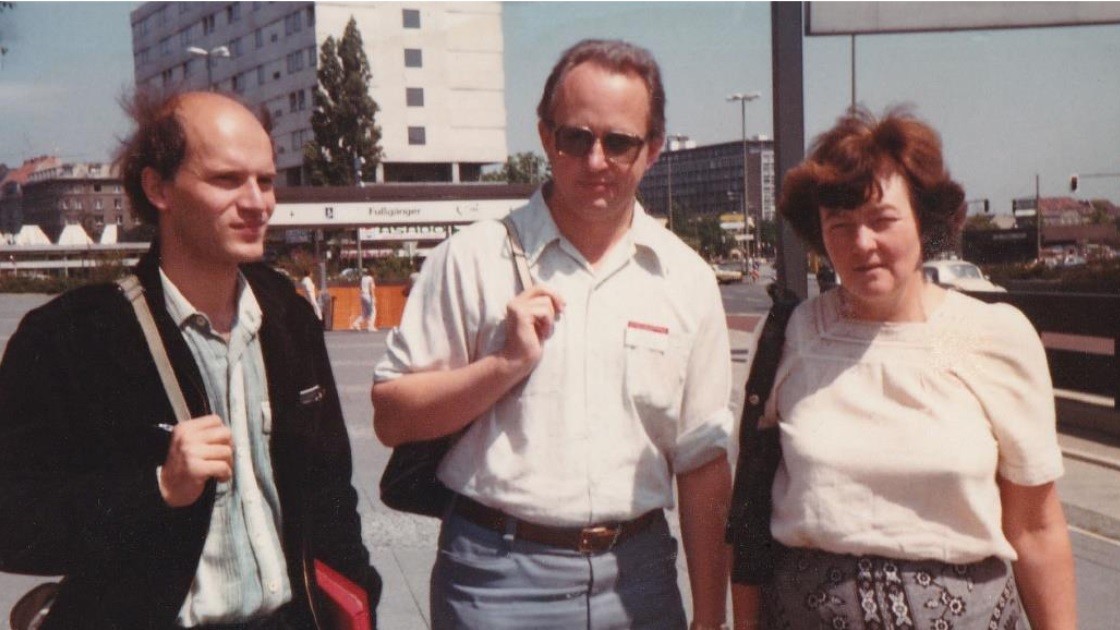
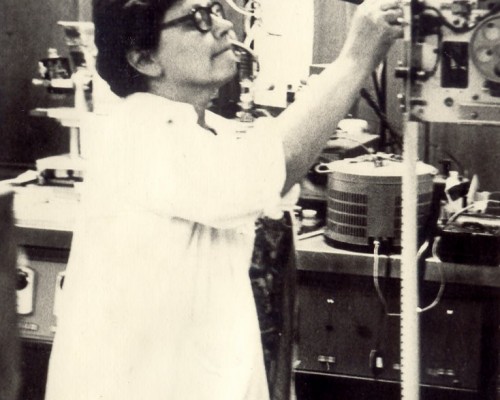
Continuing the theme of top scientists, on the occasion of International Women's Day, it is worth mentioning a few of the outstanding female scientists associated with our Institute:
Prof. Wacława Palczewska, who has headed the Department of Metal Catalysis since the Institute's inception. She focused mainly on palladium systems and the mechanism of partial triple bond hydrogenation. Her work has made a significant contribution to understanding the structure of active catalytic centres and the influence of boron, lead and hydrogen on the reactivity of transition metals. She held the position of Deputy Director for Scientific Affairs for 14 years.
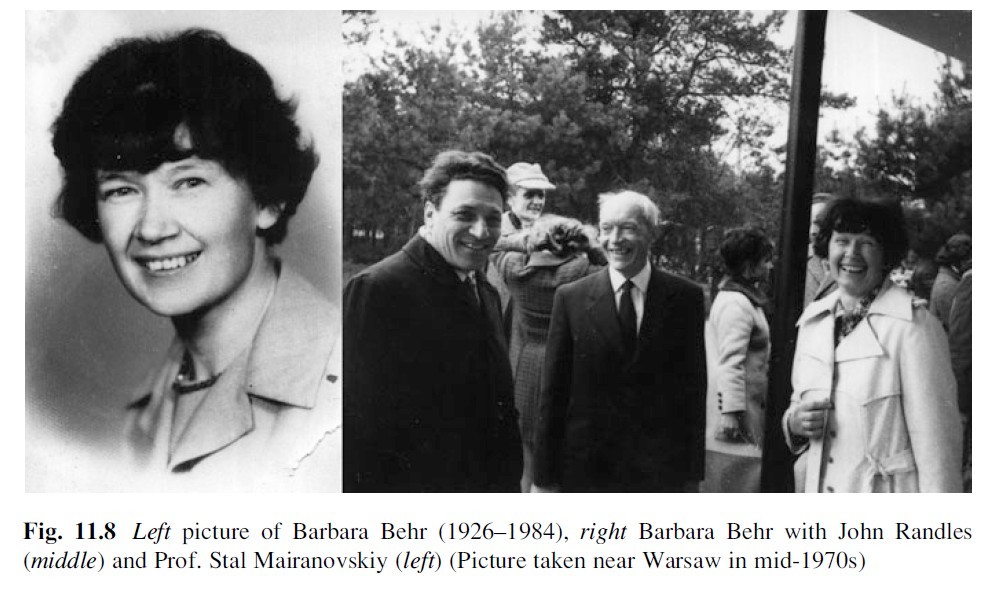
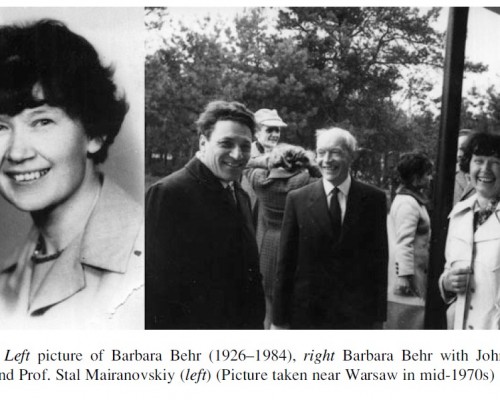
Professor Barbara Behr, first head of the Electrochemical Processes Laboratory and then of the entire Department II of Physicochemical Analytical Methods, conducted research on the kinetics of electrochemical processes in mixed solvents. She belonged to the first group of students to begin their studies after the war. She completed a postdoctoral fellowship in Birmingham with John Randles, and upon her return, she introduced electrochemical impedance into the portfolio of research methods used by Warsaw scientists. Her work contributed to the understanding of the influence of the double layer structure on the redox processes in inorganic and organic solvents.
Professor Anna Grabowska studied excited-state intramolecular proton transfer (ESIPT) and demonstrated the possibility of observing so-called forbidden transitions (singlet-triplet absorption). Between 1993 and 1996, she was Deputy Director for Scientific Affairs and was the one who initiated the creation of the Laser Centre at the Institute.
On the occasion of International Women’s Day, we extend our warmest wishes to all the women working at the Institute of Physical Chemistry, Polish Academy of Sciences – for professional fulfilment, the courage to pursue ambitious ideas, harmony between professional and personal life, joy among your loved ones, and the time and energy to develop passions beyond science. May women’s knowledge, sensitivity, determination, and curiosity about the world continue to enrich the IChF community and inspire future generations.
---------------
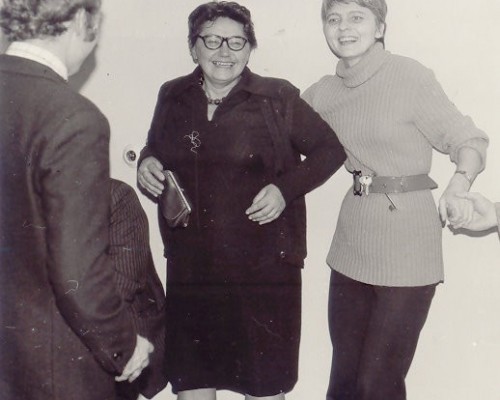
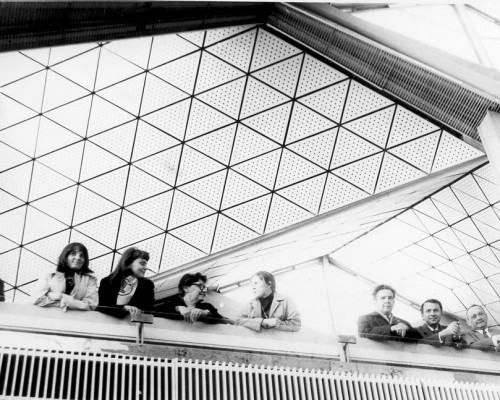
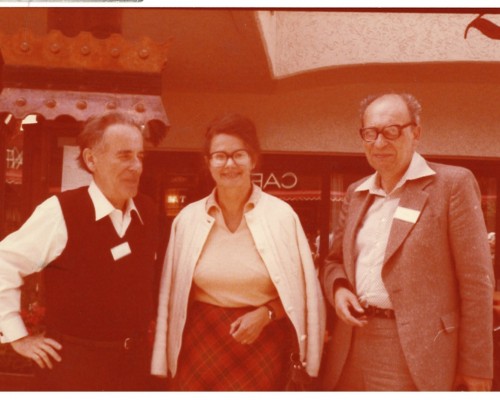
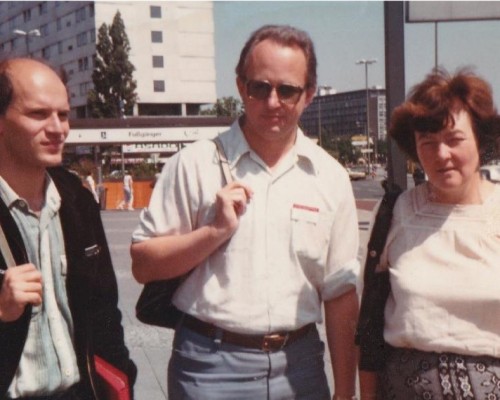
Text preparation, archival materials and photo descriptions: Dr. Emilia Witkowska Nery – Chair of the Institute’s Gender Equality Plan Working Group (https://ichf.edu.pl/en/hrcsr), and leader of Team XII “Sensor Arrays” at IChF (https://ichf.edu.pl/groups/sensor-arrays).
- Date: 8.03.2026