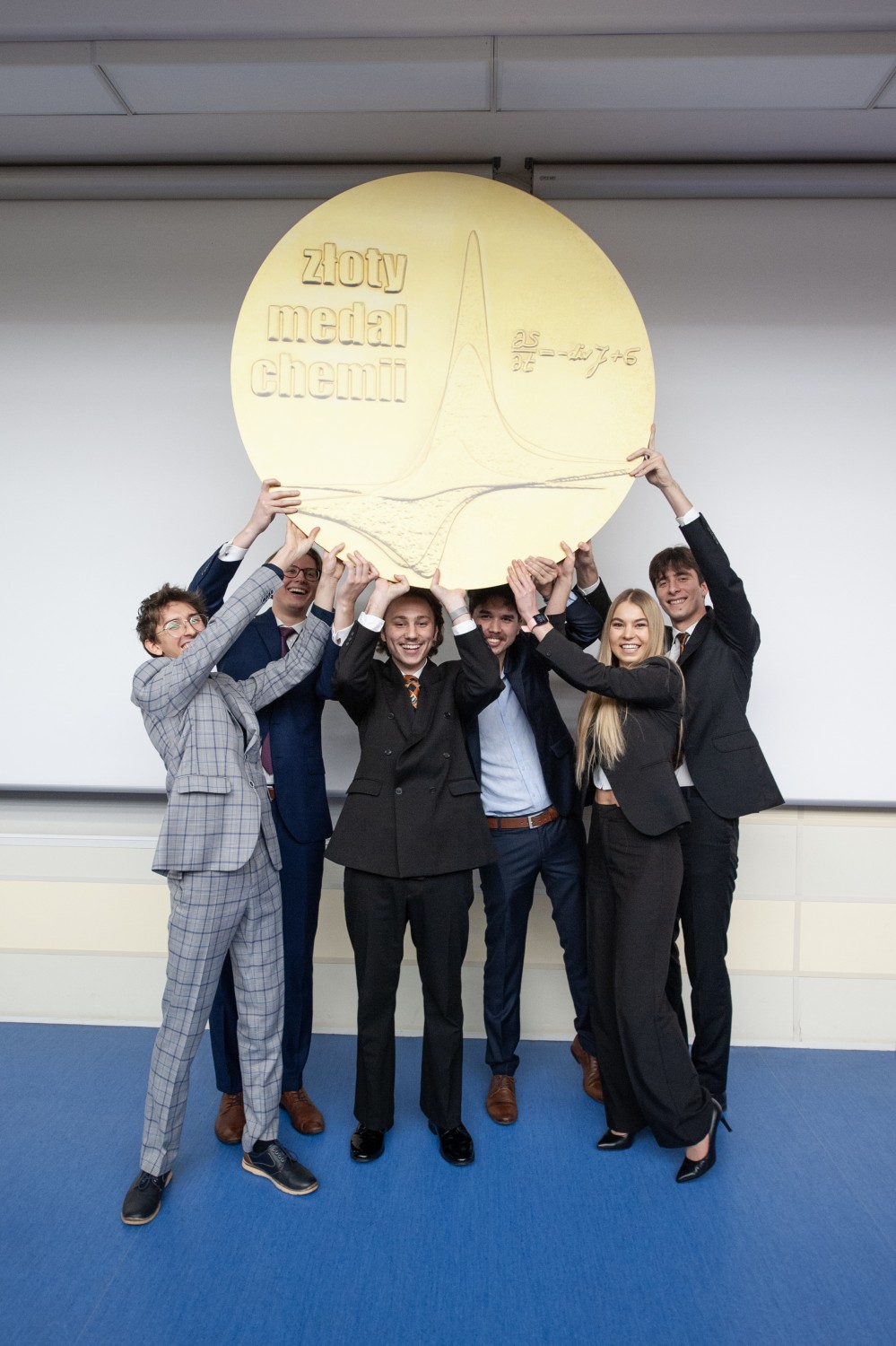
Gold, silver, and bronze in the hands of young researchers – The winners of the Gold Medal of Chemistry competition are announced
Reading time: about 13 minuts
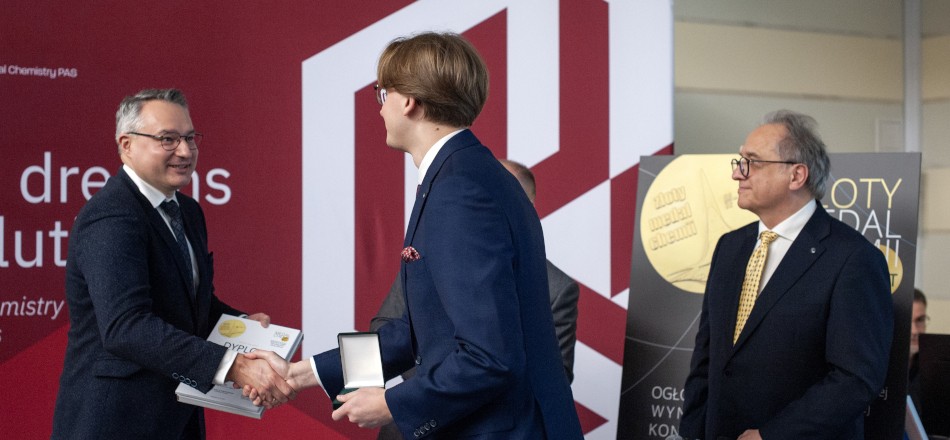
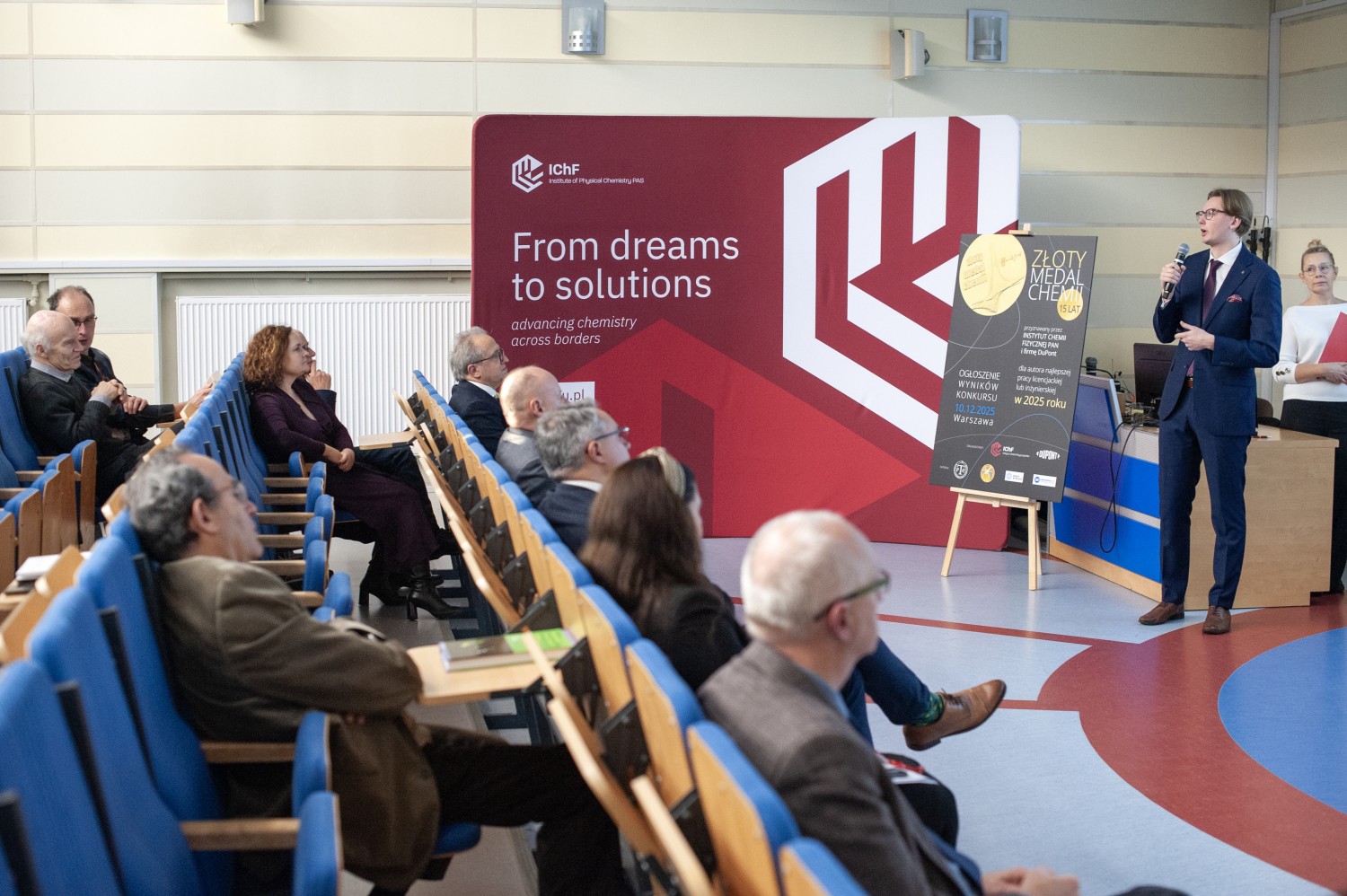
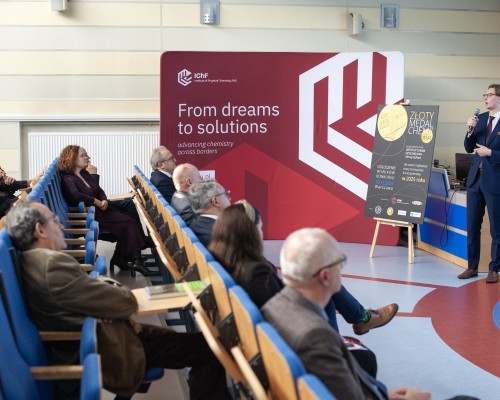
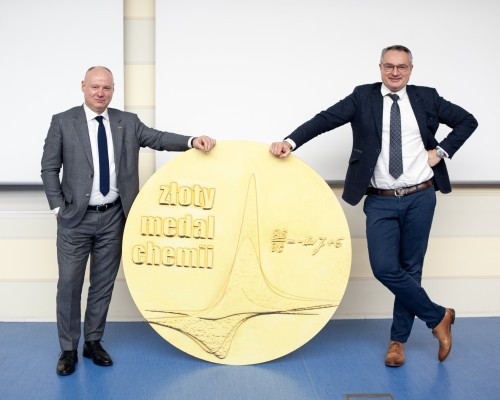
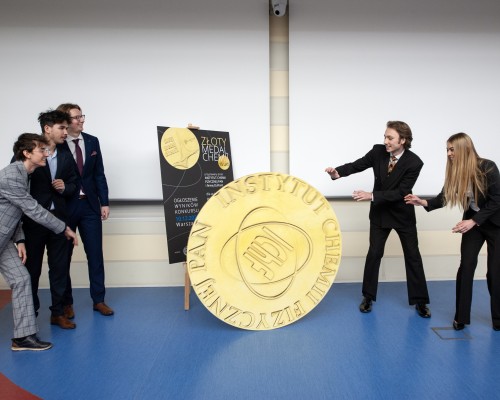
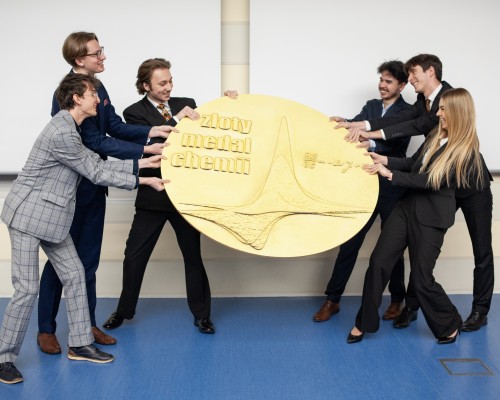
The winners of the Gold Medal of Chemistry are announced! The Gold Medal of Chemistry is a competition organized by the Institute of Physical Chemistry, Polish Academy of Sciences (IChF) in cooperation with DuPont company, which funds the awards for the best bachelor's and engineering theses. The competition is organized since 2011 attracting ambitious young chemists and becoming a unique event on the scientific map of Poland. It is still the only competition that rewards first-degree graduates giving them the opportunity to present the results of their innovative work to the best experts in the field. This competition also gives a chance for those who are creative, think outside the box, and want to develop their career in science. The Gold Medal of Chemistry is also dedicated to those, who are not afraid of new solutions and do not hesitate to go against the grain in various fields of chemistry – from organic and inorganic chemistry, through physical and quantum chemistry, to materials chemistry and biochemistry. This competition is also an inspiration to take on research challenges at the highest level and an opportunity in shaping future generations of researchers ready to take action in response to the challenges facing society in the coming decades. Most importantly, the Gold Medal of Chemistry is an investment in science.
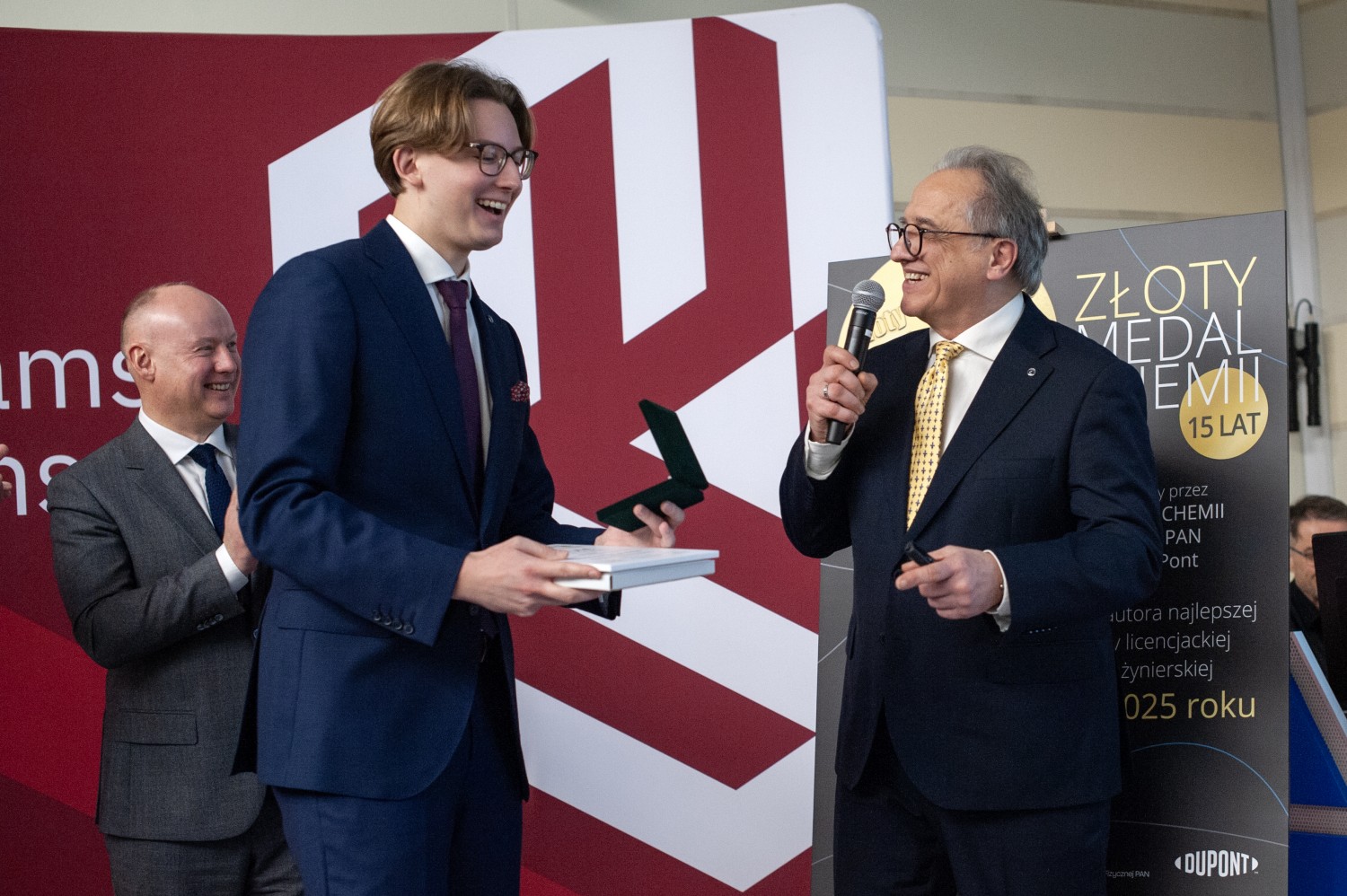
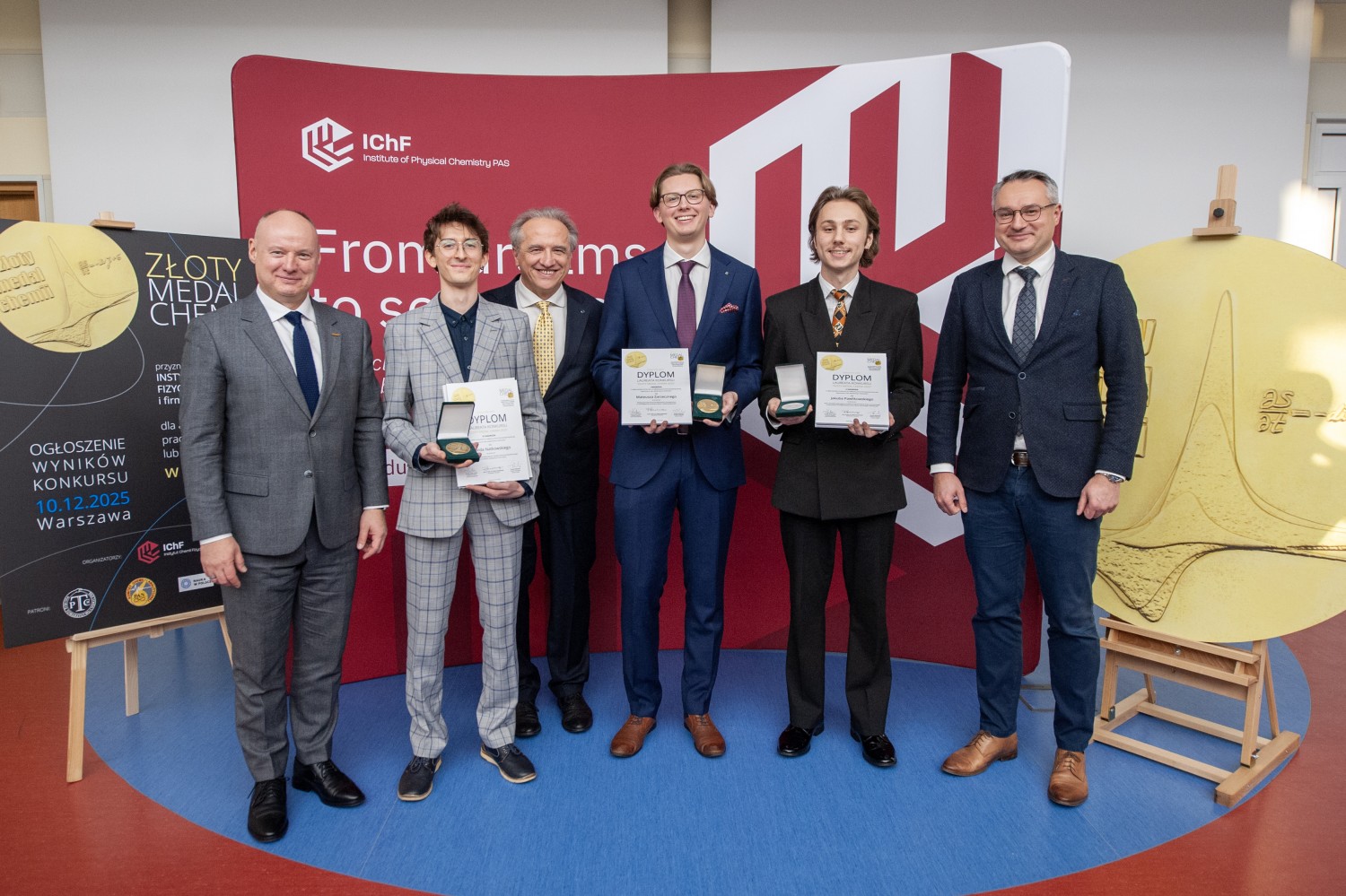
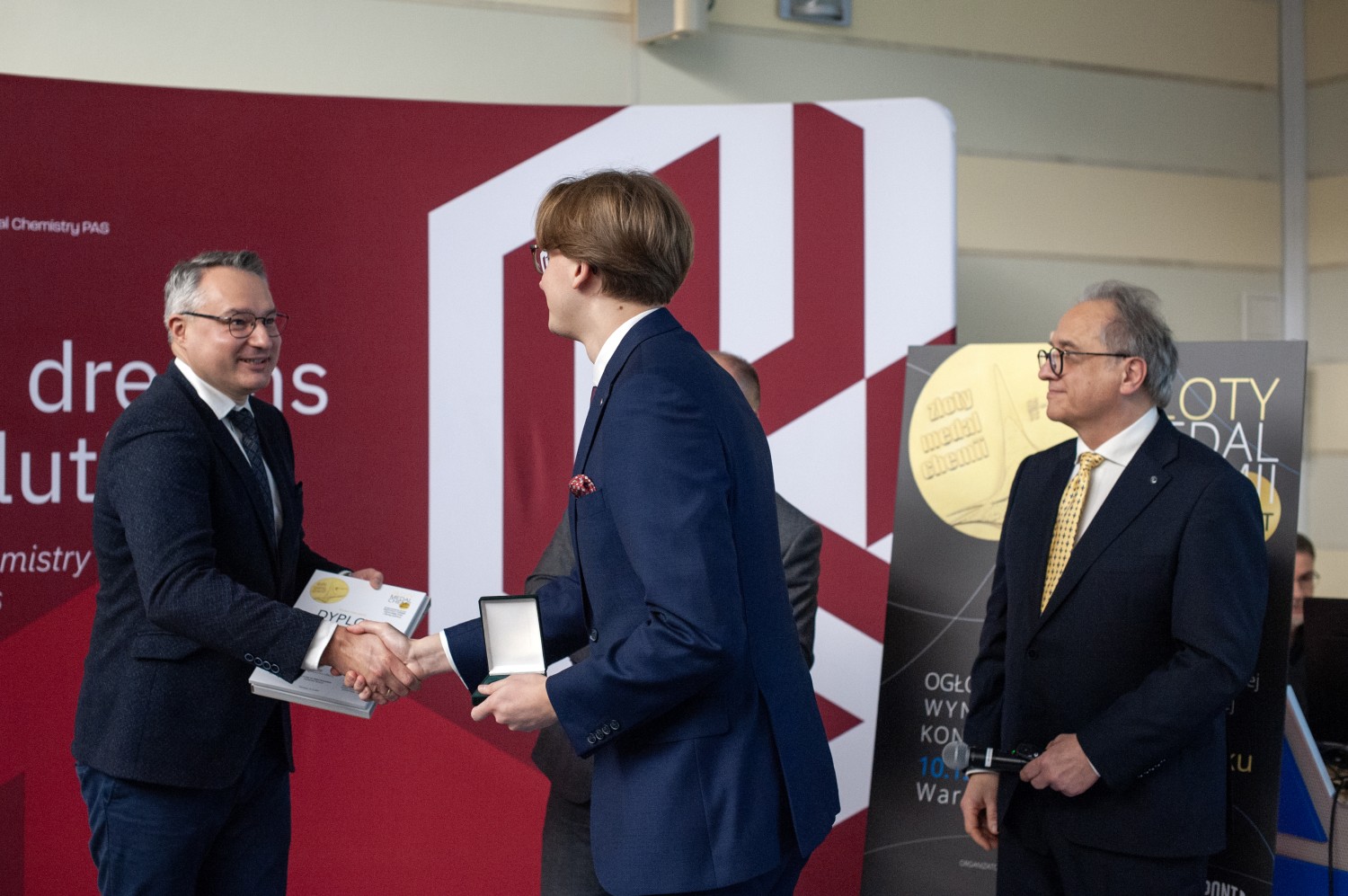
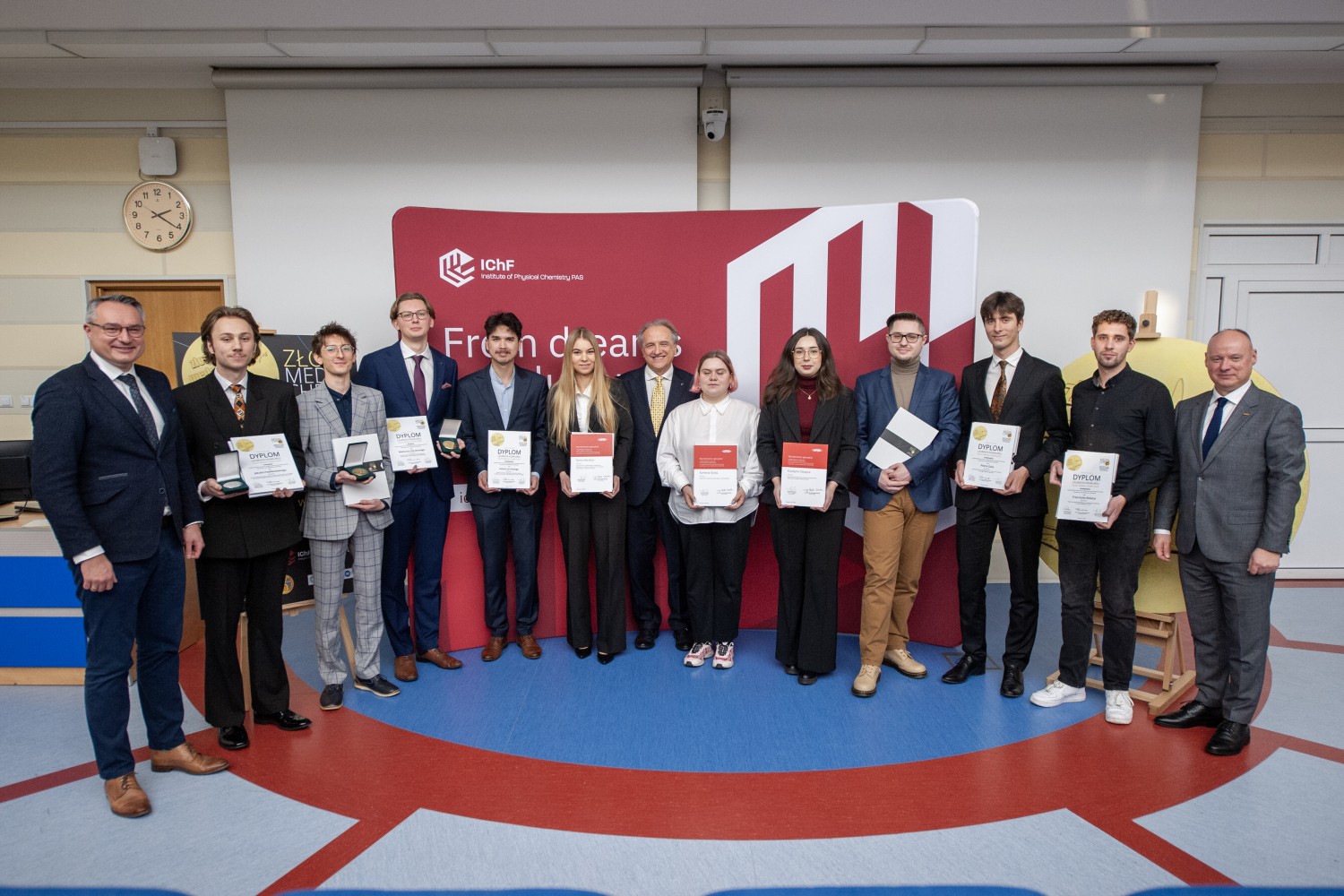
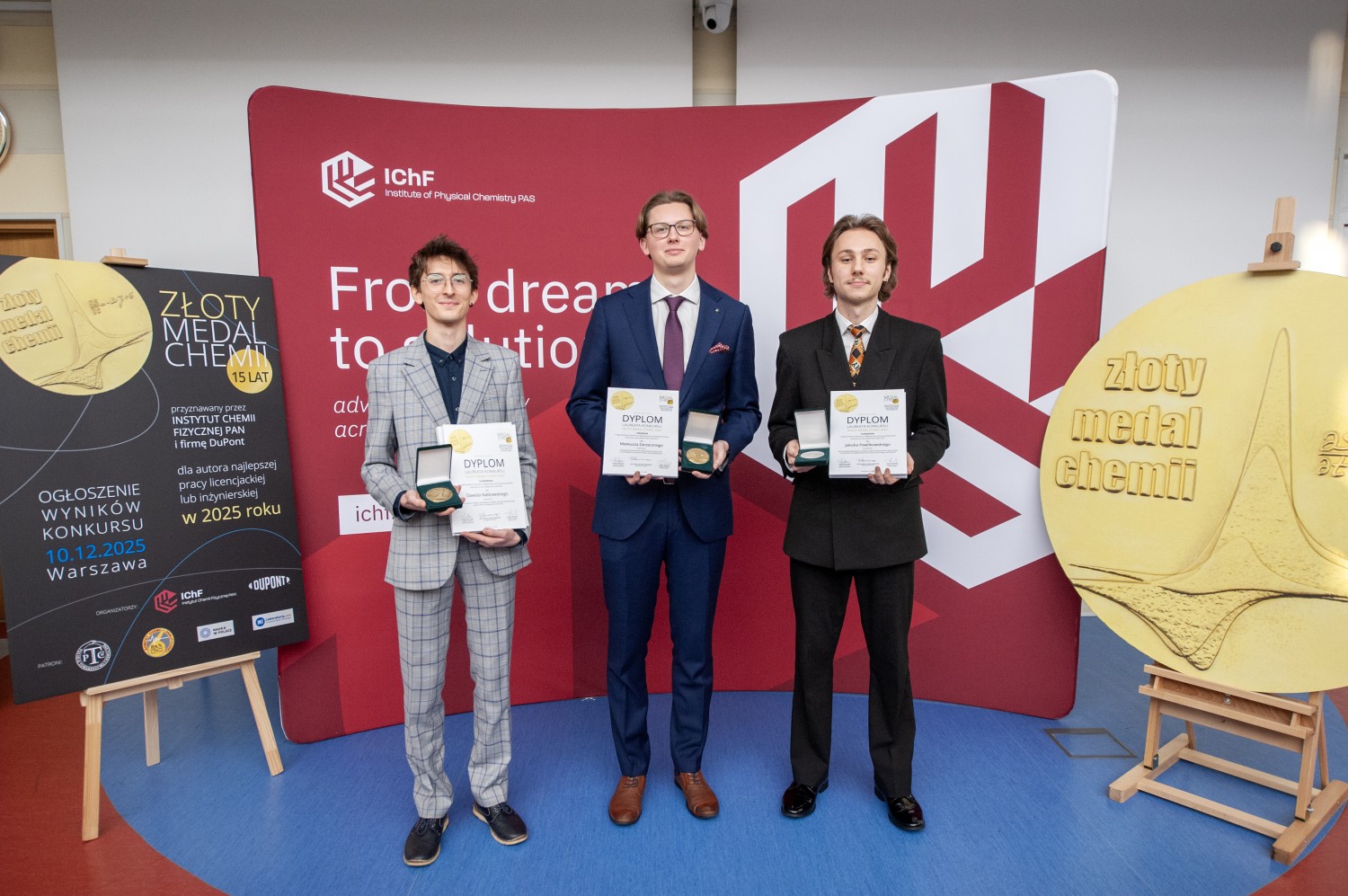
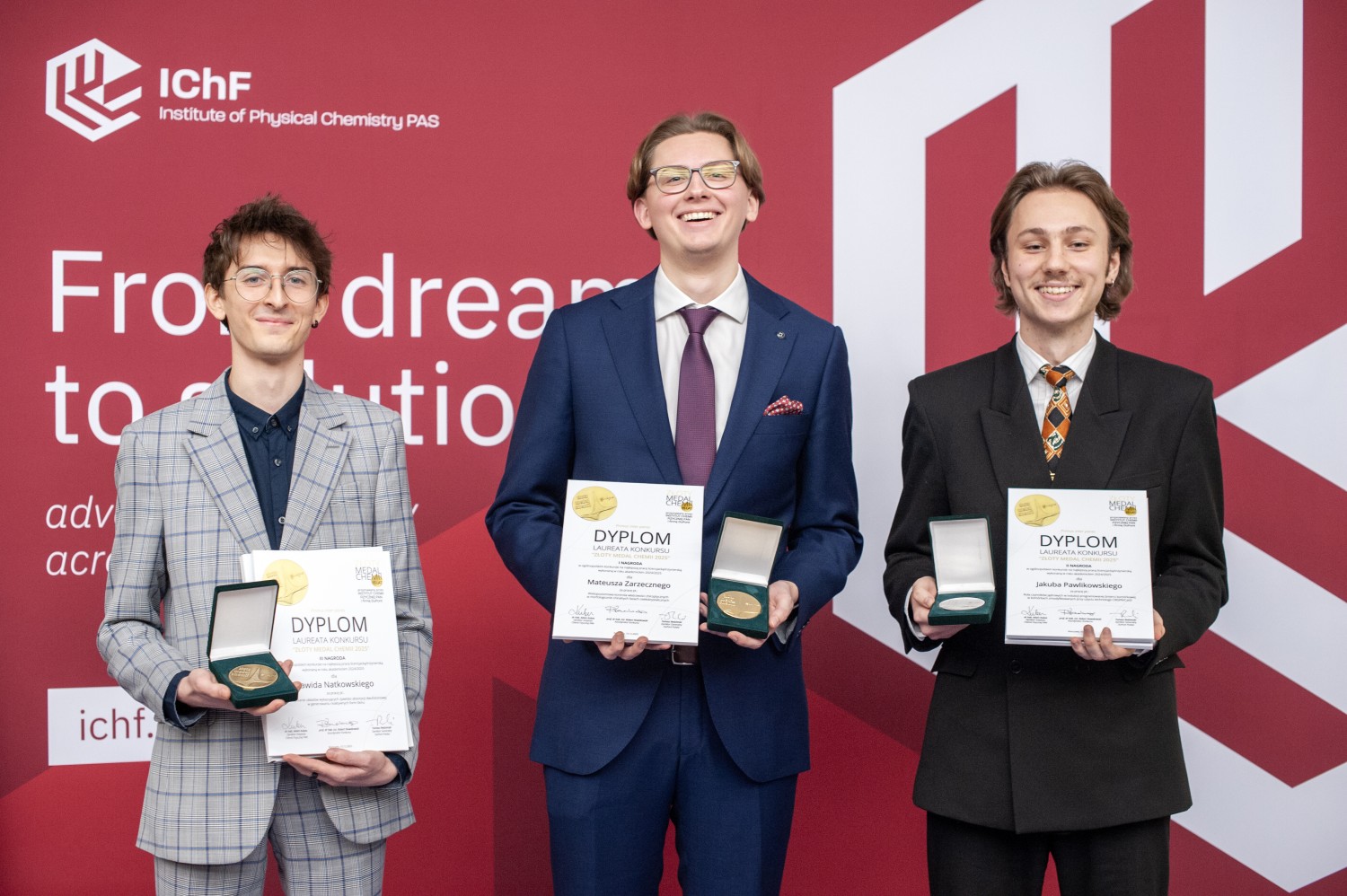
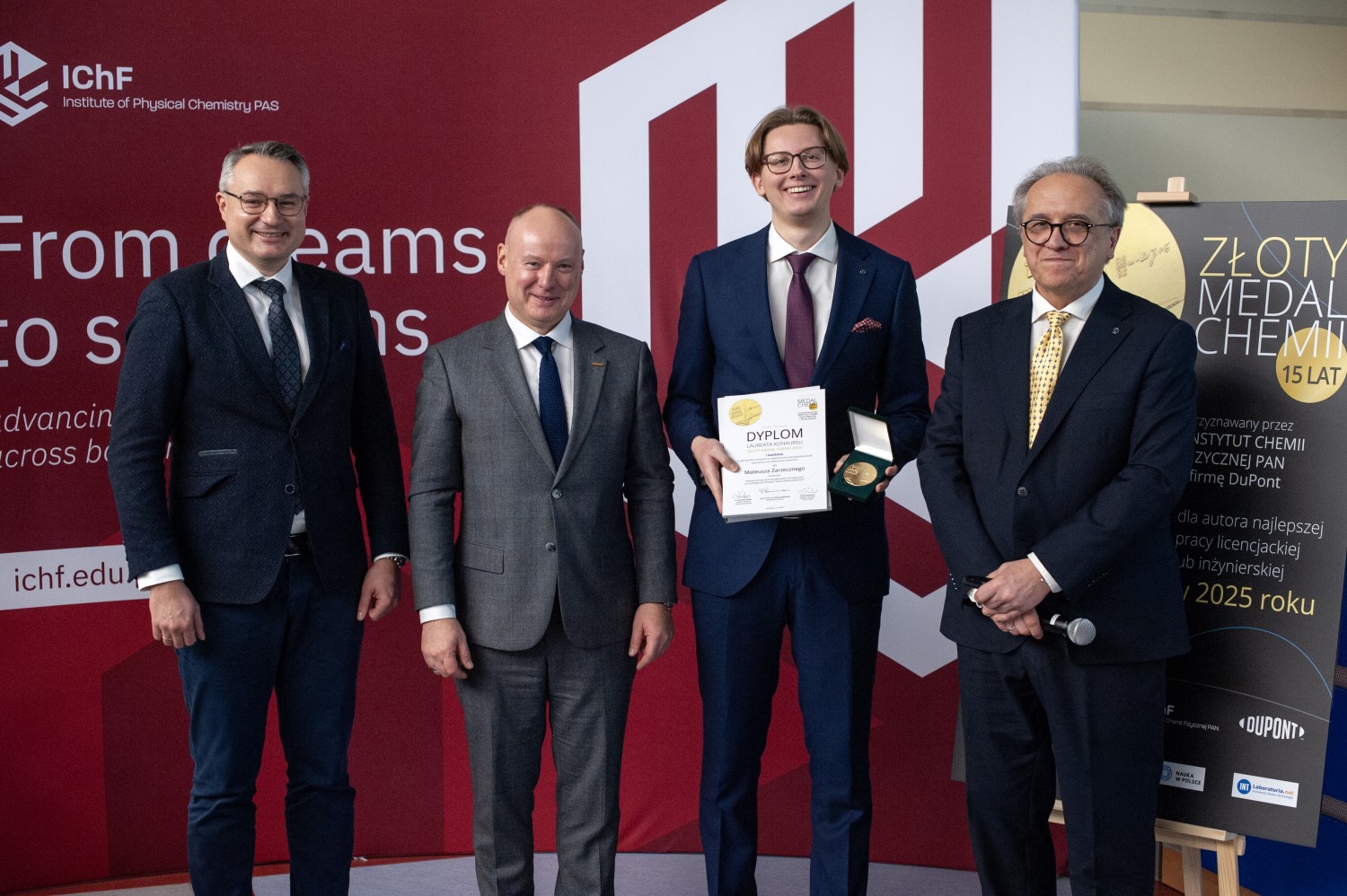
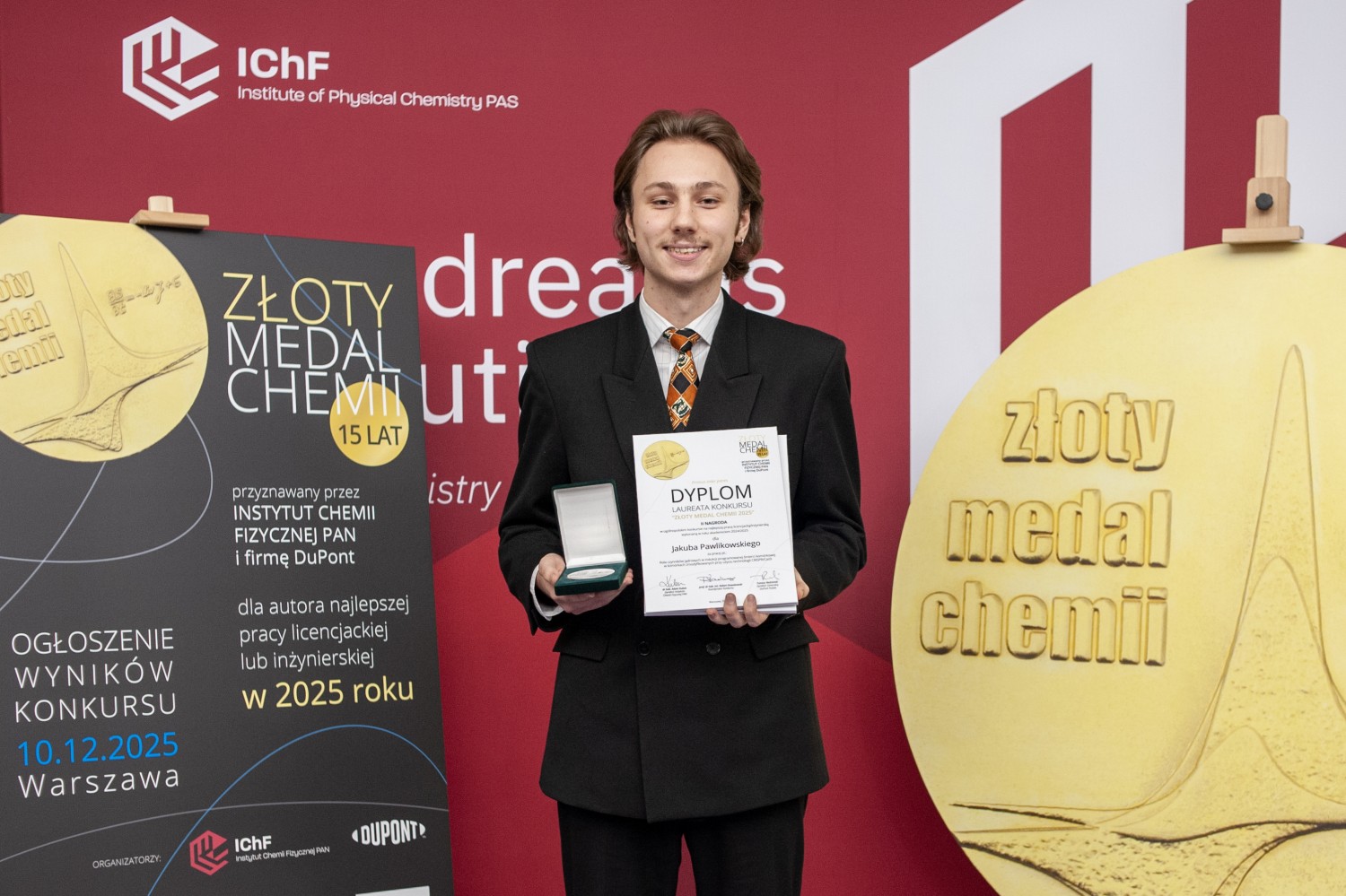
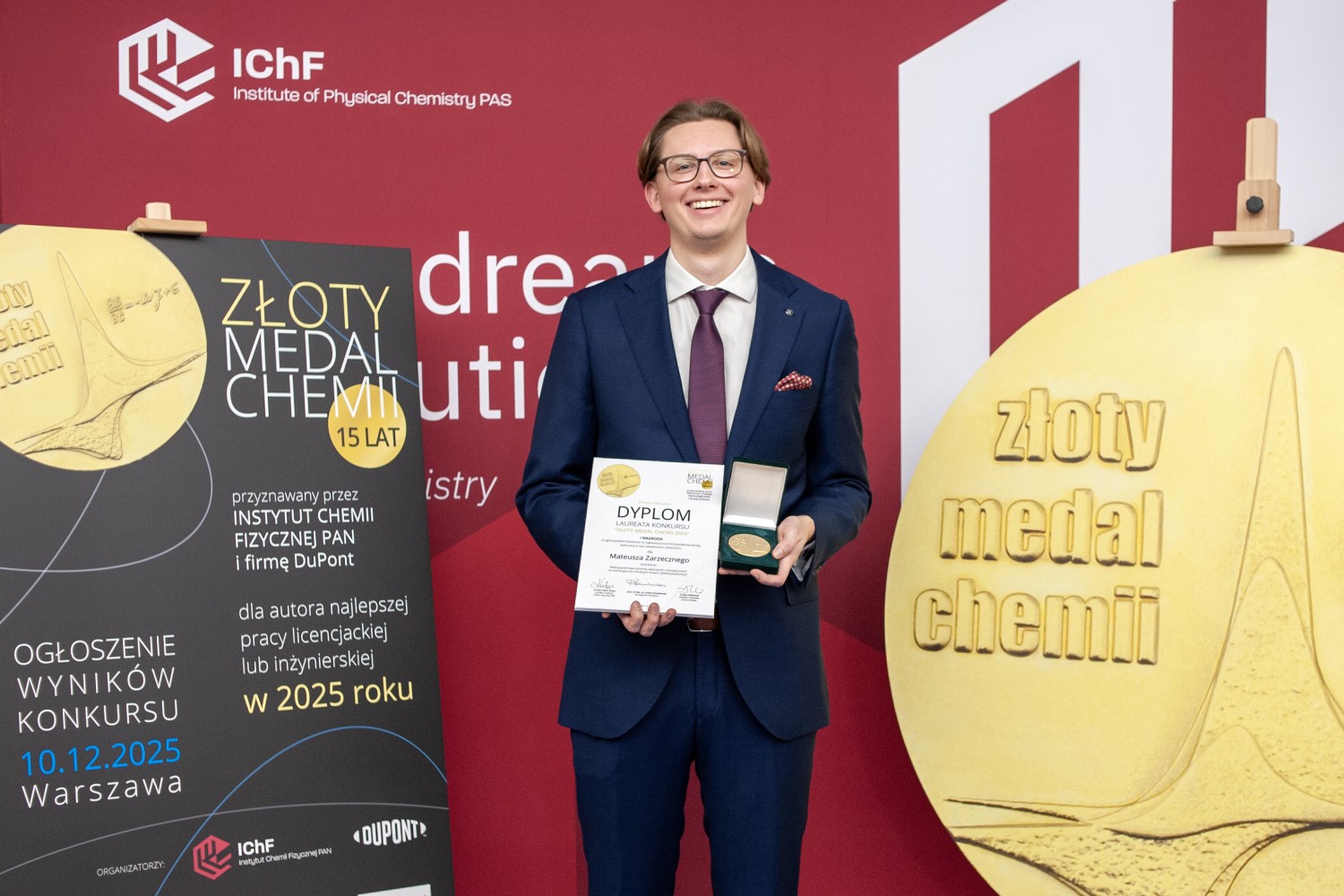
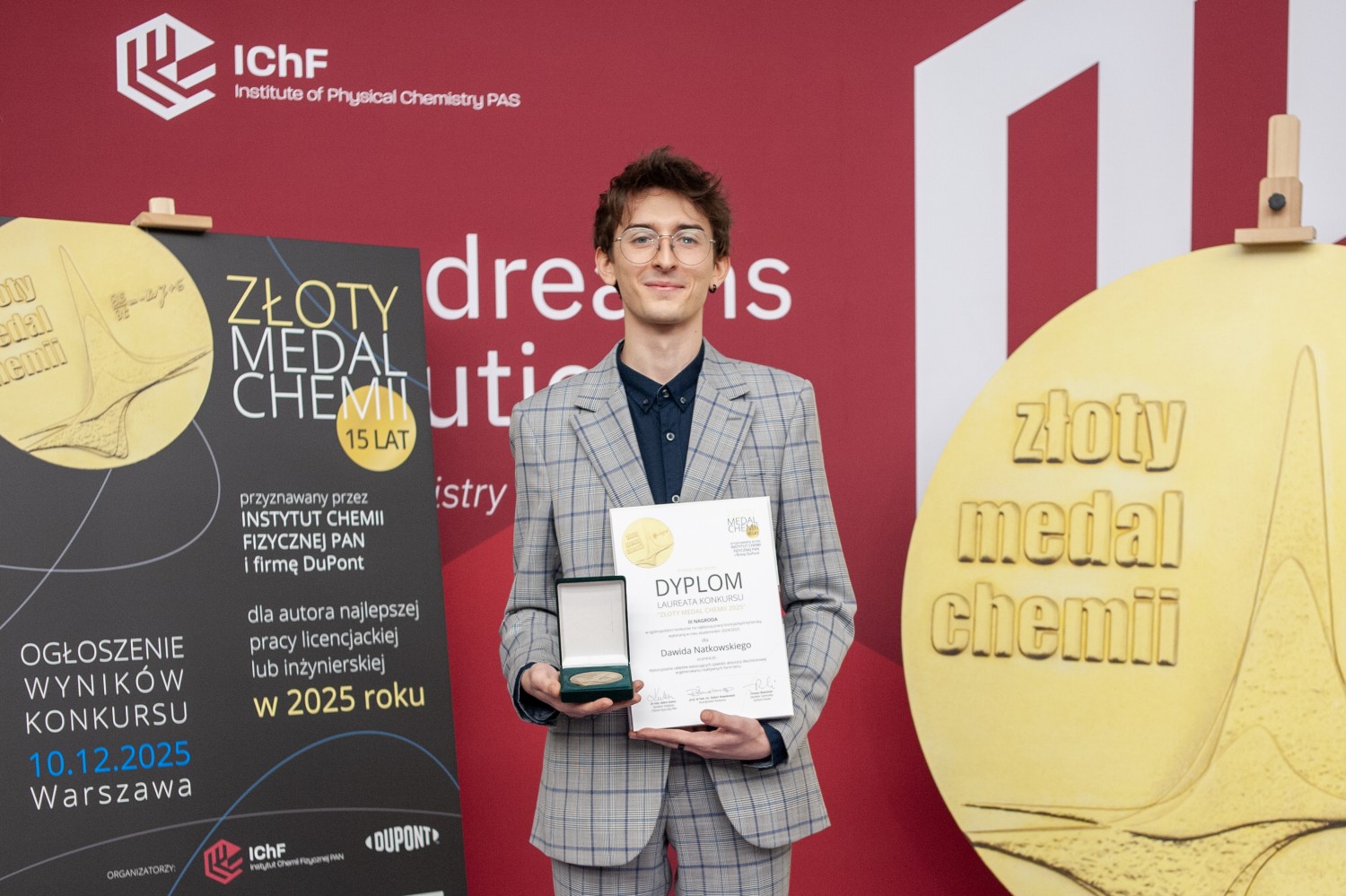
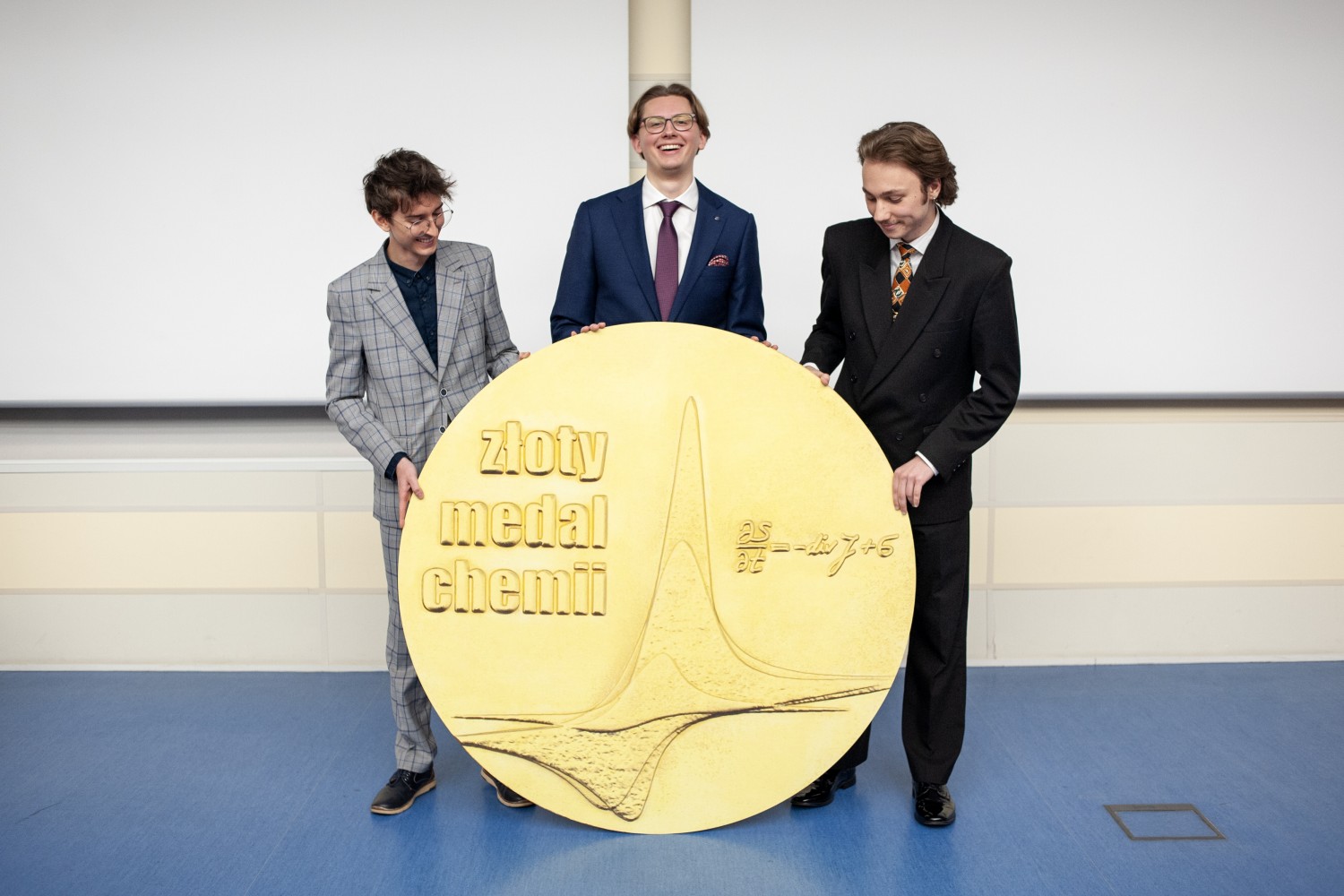
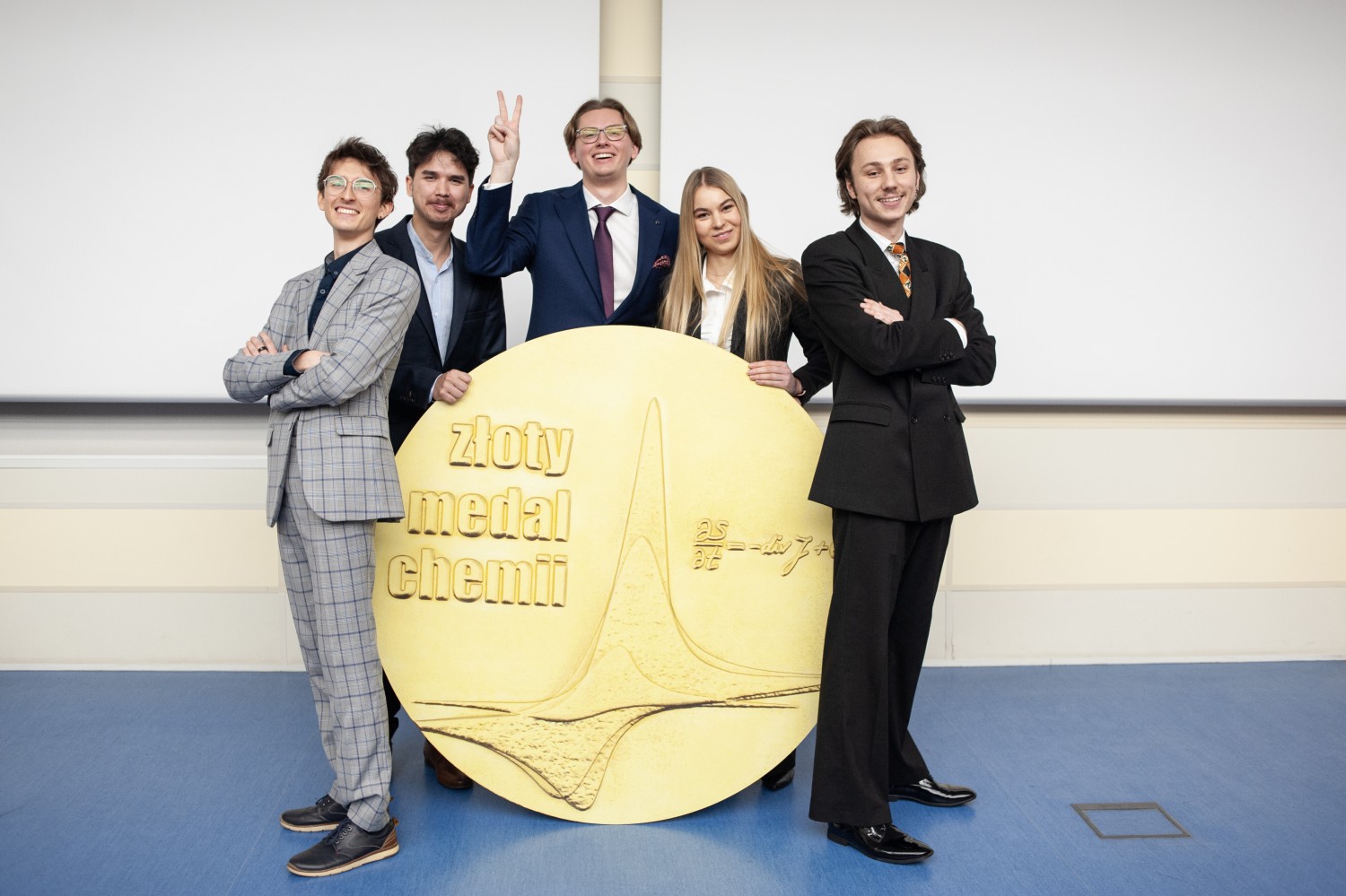
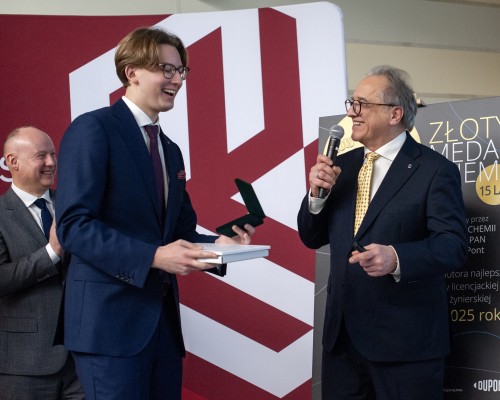
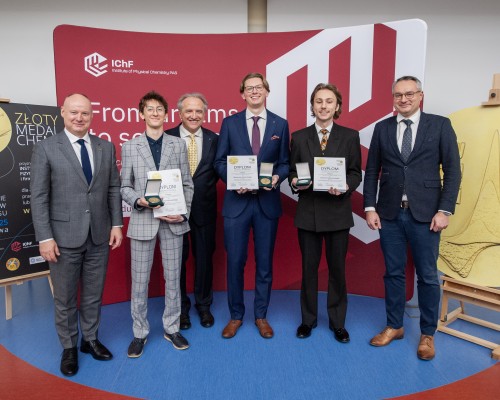
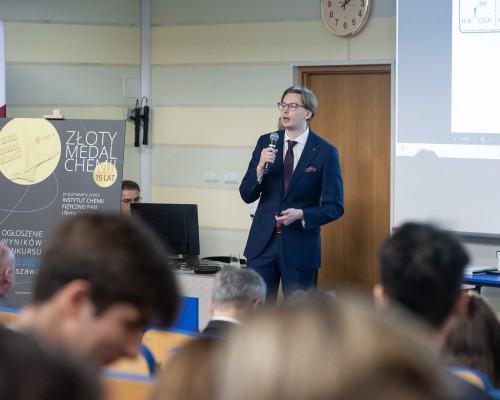
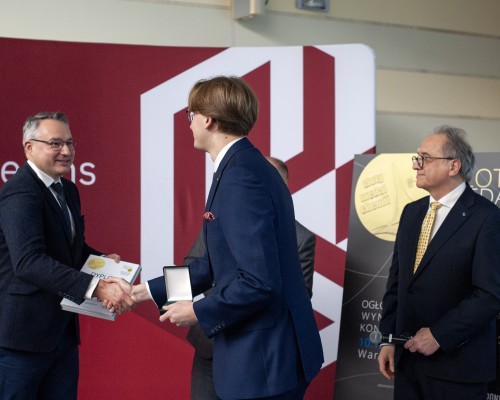
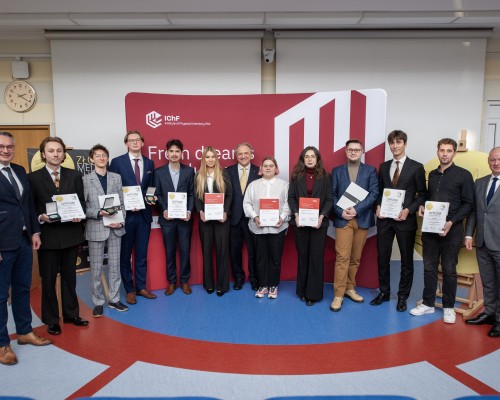
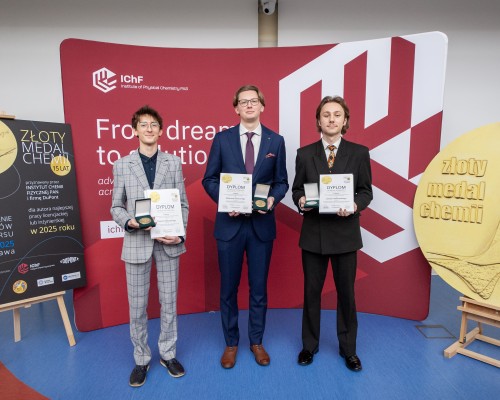
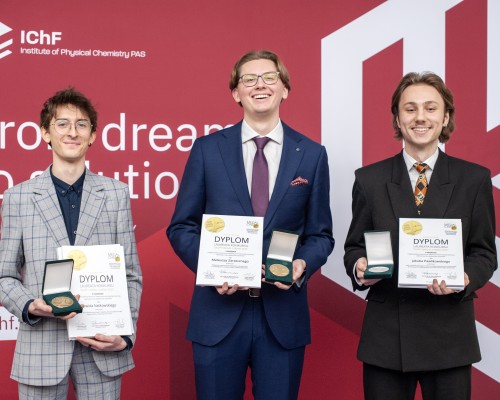
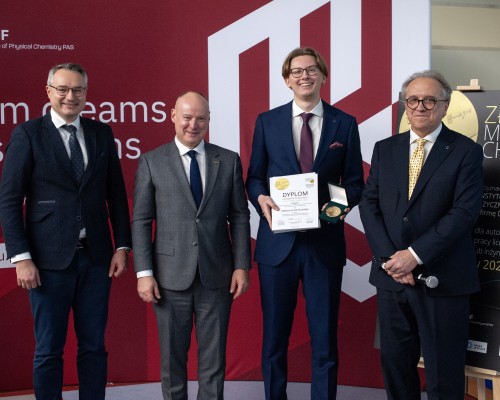
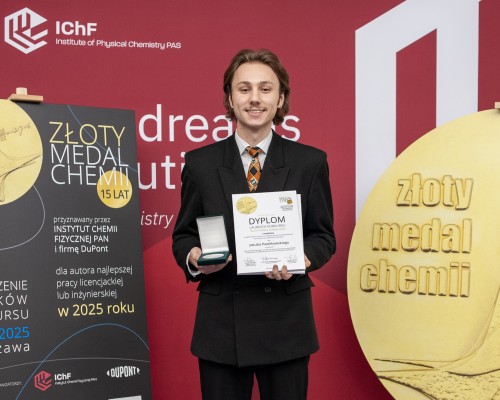
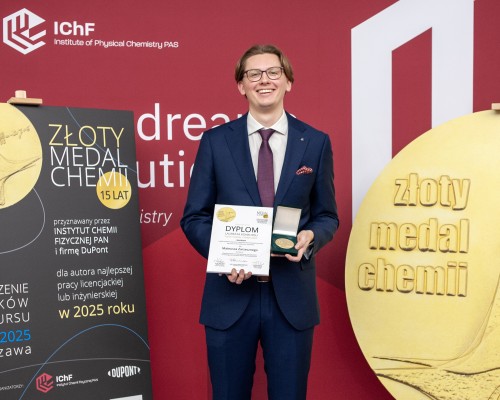
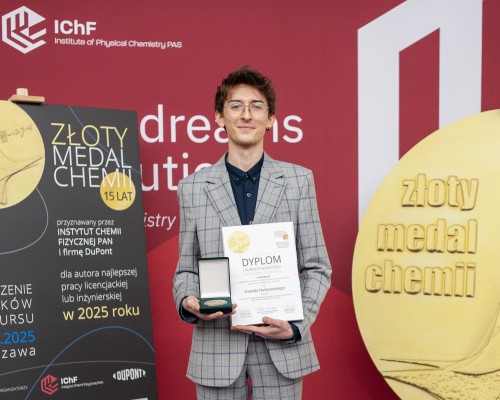
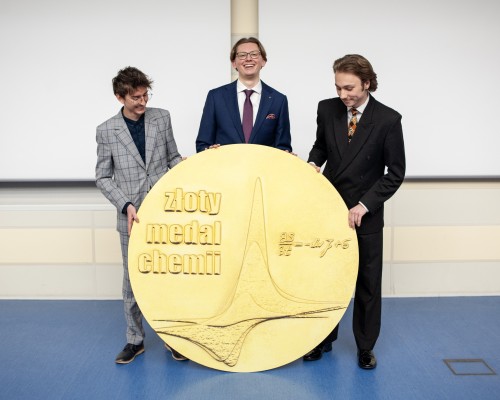
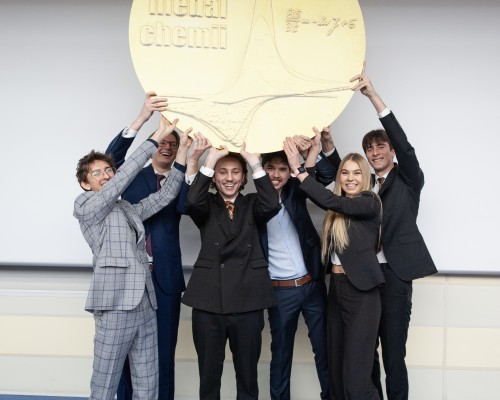
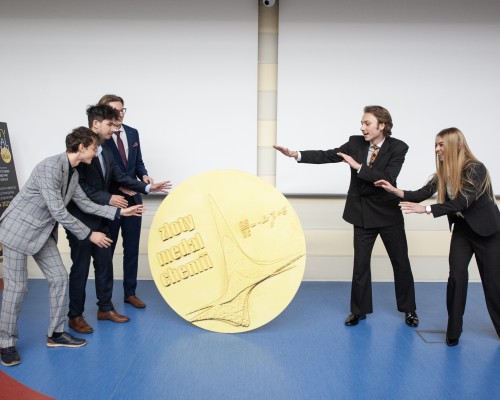
Even though this is already the 15th edition of the competition, young researchers never cease to amaze us. Year after year, the Jury has a difficult task - selecting the winners remains a real challenge. This year, 61 theses from 15 academic institutions were submitted. The Jury evaluated their scientific value focusing on the author's publication record, the practical significance of the research results obtained, the use of modern research methods, and the independence of the research. This year, the first prize - the Gold Medal went to Mateusz Zarzeczny, who conducted his research at the Faculty of Physics, University of Warsaw. The silver medal went to Jakub Pawlikowski from the Faculty of Automation, Electronics, and Computer Science at the Silesian University of Technology in Gliwice, who also received the finalists’ award. The bronze medal went to Dawid Natkowski from the Faculty of Chemistry at Warsaw University of Technology.
Importantly, awarded projects address the needs of today's world by presenting innovative solutions in electronics, medicine, and environmental protection. What is more, they show how science and innovation can really change our lives and improve our health. Let's take a closer look at the projects that won medals.
The topic of the gold medalist Mateusz Zarzeczny's work, entitled "Multilevel control of chiroptical properties in morphologically chiral liquid crystalline phases " and supervised by Dr. Wiktor Lewandowski, focused on the design and fabrication of novel materials that have unique optical properties. The researcher presented "helical" thin layers based on liquid crystals that could change the future of technology. The most well-known application of liquid crystals is in displays in portable devices like phones, as well as monitors. Although they have been in widespread use for years, scientists are still discovering more and more of their unique features. The change of their geometry can cause different reactivity to external stimuli such as light, temperature, electric field, etc. However, such structural change is not as simple as it seems. The biggest challenge is to precisely control the repeatable arrangement of the geometry of liquid crystals to create a specific shape, such as a spiral. The gold medalist addressed this issue by attempting to precisely control the shape, size, and thus the optical properties of structures based on liquid crystals arranged in spirals. This "helical" structure of molecules, commonly known as chirality, is playing an important role in many fields of science. Chirality can be explained by the mirror image of two molecules that, although seemingly identical, do not overlap resulting in different physicochemical characteristics. Chiral molecules occur everywhere e.g. left-handed and right-handed molecules, arrangement of individual amino acids in DNA, as well as spiral shells. Such feature also plays a huge role in the design of novel materials that can differently reflect or refract the light, opening the way to practical application in new technologies. The medalist combined liquid crystals with gold nanoparticles, which have been widely recognized in many fields of science, such as spectroscopy. The melting by laser of the hybrid of organic crystal and inorganic nanoparticles has enabled precise control of chirality, paving the way for new applications ranging from electronics in smart optical coatings, through photonics, to security, e.g., in anti-counterfeiting; medicine, e.g., in sensors. The presented work shows that science can be not only beautiful but also practical, and that precise control of the chirality of materials at the level of individual molecules is no longer just theory. It is an opportunity to design and manufacture materials that may soon find a place in our everyday lives.
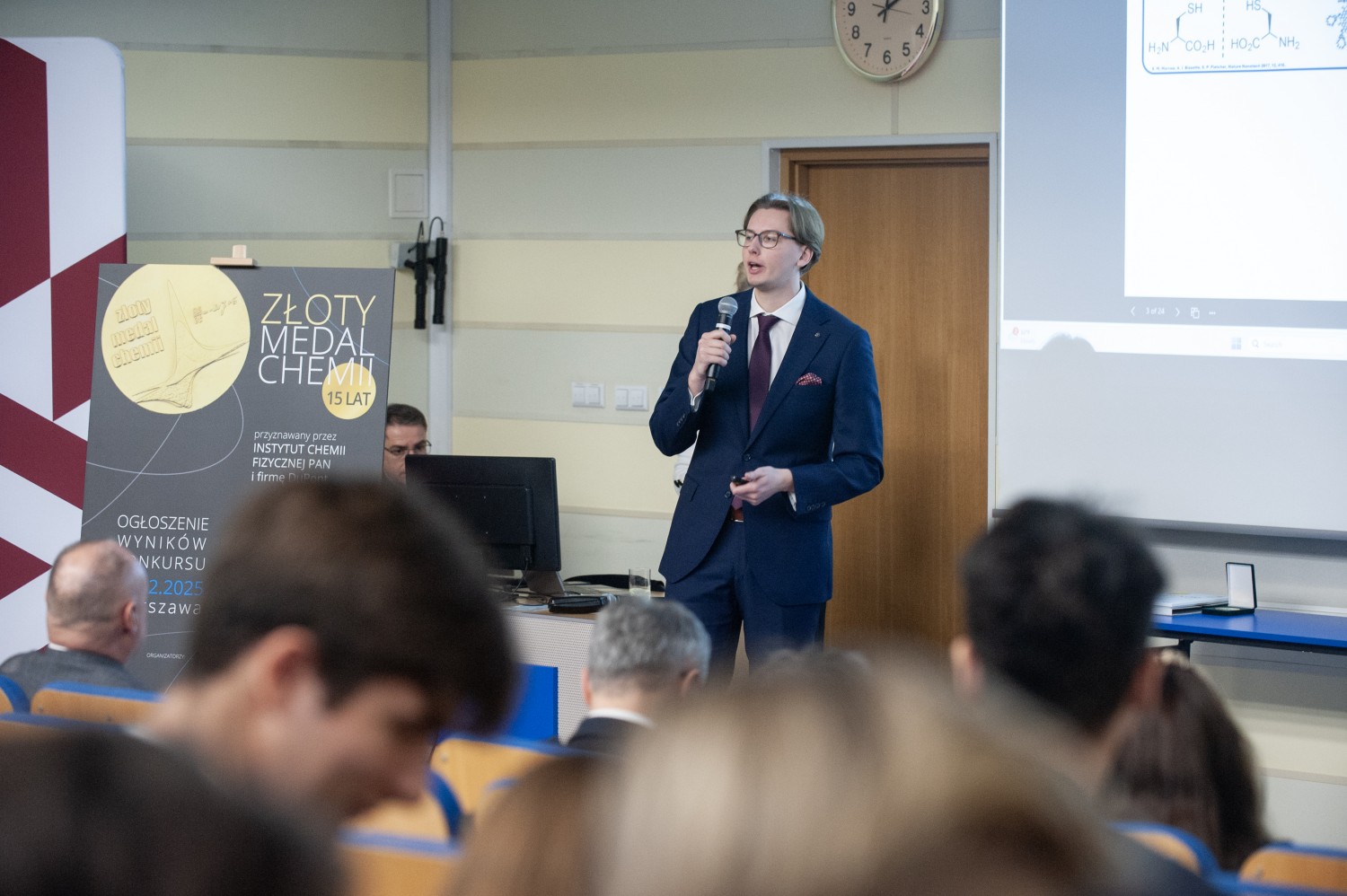
The gold medalist briefly described his work, participation in the competition, and the award: "My research focused on the development of new materials that interact with light in a controlled manner. The results of this research lead to a number of applications, ranging from protection against counterfeiting, through increasing data transfer, to bioimaging, e.g., of diseased tissues. The Gold Medal of Chemistry competition is an incredible opportunity for me not only to test myself as a scientist, but also to open up to new research topics and establish contact with other researchers. The award is a great honor and a motivation to continue the research and scientific development. I am extremely pleased with the high level of the competition and the opportunity to learn about new perspectives in chemistry." When asked why it is worth participating in this competition, he replies: "It's worth trying, it costs nothing and offers many opportunities. Above all, you can gain new knowledge, experience, and meet many new people who are passionate about chemistry."
Silver finalist Jakub Pawlikowski was recognized for his research on how cells respond to oxidative stress, especially when certain genes are switched off, and how these processes can be influenced at the cellular level to protect cells from death. The work, entitled "The role of nuclear factors in the induction of programmed cell death in cells modified using CRISPR/Cas9 technology," supervised by Dr. Małgorzata Adamiec-Organiściok, and Magdalena Węgrzyn, M.Sc., presented the results of research related to the ferroptosis process - a special type of programmed cell death closely related to iron metabolism. Numerous chemical reactions take place in every cell of our body to maintain a balance between the many molecules that protect it from damage and those that can cause damage. Compounds called antioxidants, such as glutathione, are designed to protect cells from free radicals found in reactive oxygen species. Although glutathione effectively reduces their harmful effects, once the process is disturbed, ferroptosis occurs. The accumulated reactive oxygen species permanently damage the lipids in the cell membranes, leading to cell death. Controlling this complex process would be a milestone in the development of new therapies to deal with many diseases associated with cellular stress, such as neurodegenerative diseases, in the future. Following this topic, the author of the study investigated how genetic factors and the regulation of cellular processes can influence the process of ferroptosis process. He compared healthy cells and cells genetically modified using CRISPR/Cas9, which acts as molecular scissors enabling precise changes to a specific section of DNA. First, the GPX4 gene, which is associated with protecting cells from damage caused by lipid oxidation in cell membranes, was deactivated. Its deactivation made the cells more susceptible to ferroptosis. Next, Xc- system, which is responsible for transporting cysteine, was deactivated. As the cysteine is essential for the production of glutathione, the Xc- deactivation resulted in accelerated ferroptosis. On the other hand, the healthy cells reacted differently activating the defense mechanisms to protect the cell from harmful radicals that affect the cell membrane. The presented research shows the influence of specific genes on the defense mechanisms against ferroptosis, bringing us closer to a better understanding of which mechanisms are worth strengthening or inhibiting in order to treat diseases associated with abnormal cell death. This is extremely important for the development of new treatments for serious diseases.
The silver medalist describes his work, participation in the competition, and the award as follows: "I studied programmed cell death, i.e., the effect of cell reactions by applying an appropriate factor and learning about their response to oxidative stress. This is very important in the context of treating cancer, neurodegenerative diseases, and other cellular homeostasis disorders. Receiving this medal is an incredible honor and distinction for me. I am grateful for the appreciation of my efforts and grateful to my supervisor and research group for sharing their passion to science. This award motivates me to scientific and self-development. The Gold Medal of Chemistry competition provides an opportunity for development, learning about interdisciplinary research conducted in other institutions, and meeting amazing and very interesting young researchers. By applying to the competition, you can try yourself and see how good your thesis is. Without trying, we may miss out on a lot. It's really worth it to apply."
Cancer is the scourge of the 21st century, becoming one of the main health challenges worldwide. Another award-winning researcher presented results that address this problem. The bronze medal went to Dawid Natkowski for his work entitled "The use of systems exhibiting the phenomenon of two-photon absorption in the generation of reactive oxygen species" supervised by Dr. Eng. Krzysztof Durka and Dr. Eng. Paulina H. Marek-Urban, in which the researcher focused on combating lifestyle diseases using the most reactive form of oxygen – singlet oxygen. Despite many new developments in medicine, the treatment of many cancers is still not effective enough, especially when the disease has metastasized from the initially affected organ to other parts of the body. One way to combat altered cells and image tissues is through technologies that use near-infrared (NIR) electromagnetic radiation. A particularly interesting method is photodynamic therapy (PDT), which is based on the use of photosensitive molecules capable of producing reactive oxygen species such as singlet oxygen, which effectively damage the cell membrane, leading to cell death. However, the effectiveness of this therapy depends on the type of photosensitive compounds used. The use of molecules that respond mainly to visible light limits the possibility of treating lesions located in deeper parts of the body and is one of the main barriers to the further development of PDT. Therefore, compounds that are "activated" to generate reactive oxygen species by NIR radiation are attracting increasing interest. This is because NIR radiation penetrates much deeper than visible light, opening the way for the treatment of cancerous lesions located in hard-to-reach parts of the body. Promising candidates for this type of application are compounds from the BODIPY group - organic compounds with a ring structure containing boron. They are known for their high stability, ability to generate singlet oxygen, and ease of chemical modification. However, in order to increase their effectiveness, the presented work uses the phenomenon of two-photon absorption, which consists in using two photons with lower energy in the NIR range instead of exciting a photosensitive molecule with a single high-energy photon. This allows for deep penetration of light through diseased tissues. The study focused on five different compounds, including a unique two-part system consisting of an antenna that collects light and a photosensitizer that reacts when it receives energy. The proposed system effectively transfers the energy absorbed by two photons thanks to a phenomenon called Förster resonance, which involves the transfer of energy between two closely spaced molecules without emitting light. As a result, the photosensitive molecule, i.e., the abovementioned photosensitizer, receives energy and can be stimulated to act. The designed system was intended to ensure that this process runs as efficiently as possible, ensuring its suitability for use in photodynamic therapy. The presented research is of tremendous importance in the development of even more effective therapies to combat cancerous lesions, even in hard-to-reach areas. Potentially, therapies using BODIPY compounds that exploit the phenomenon of two-photon absorption could be used alone or in combination with classic methods used in oncology to fight cancer.
The bronze medalist enthusiastically talks about his research, the award, and his participation in the competition: "My thesis focused on the developing of a molecule that can generate reactive oxygen species, i.e., highly unstable forms of oxygen, under the illumination. Such forms of oxygen can easily damage cancer. This solution is used in photodynamic therapy to fight cancer. It allows for non-invasive and precise treatment of tumors in a specific area while limiting side effects compared to classic chemotherapy. The award is a unique distinction for me, giving me further motivation to continue my scientific work and further development, particularly in new areas of research. I am delighted that my research has been recognized and that my work contributes to the advancement in the field. Why is it worth applying for the competition? There is no need to be afraid of it. The competition gives you the opportunity to try your hand, a chance to present your research to experienced scientists and get feedback in a very good atmosphere. It is a unique opportunity for scientific development."
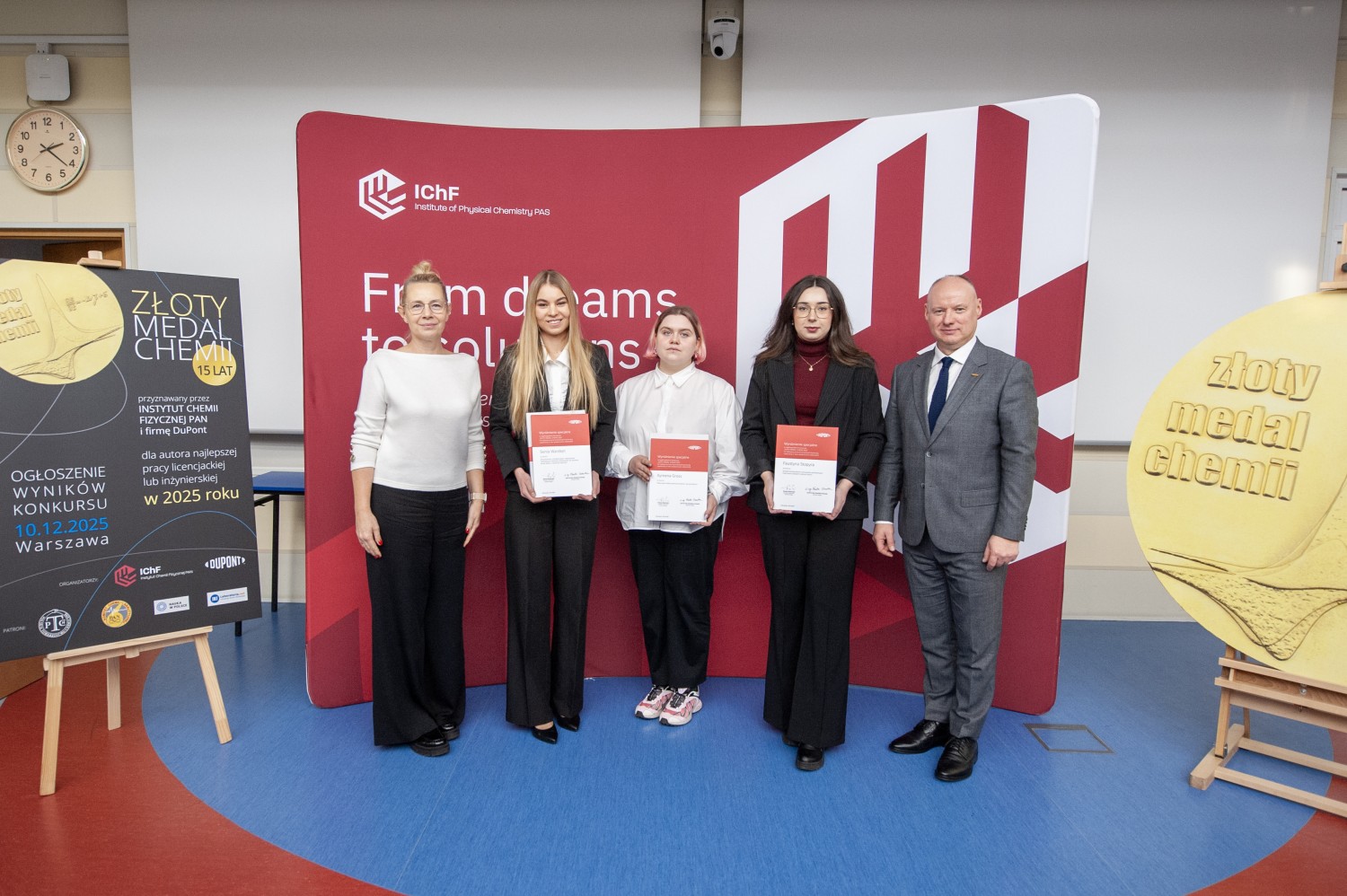
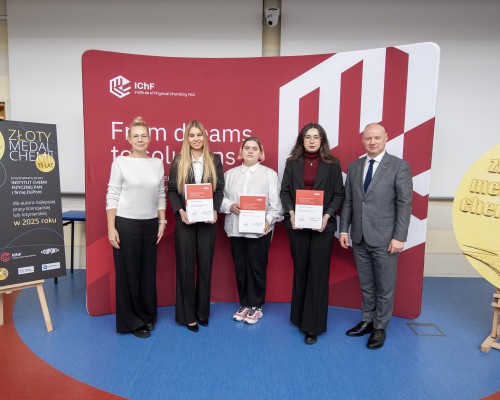
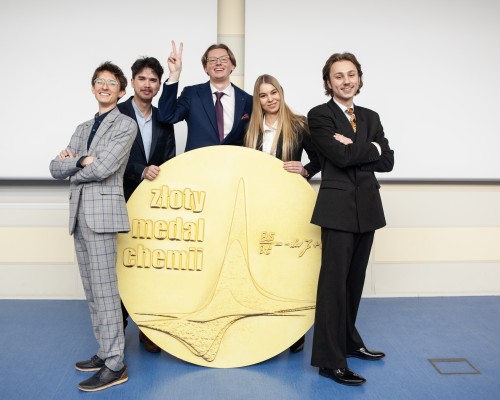
All awarded medalists did a great job. Their work offers innovative solutions in many areas of life, responding to the current challenges of the modern world. They show not only the role of science and technology, but also creativity in solving everyday problems in the 21st century and confirm that young scientists have the potential to create solutions that really change the world. However, medals are not everything. The competition Jury awarded four finalists, including Franciszek Bober from the Faculty of Chemistry at the University of Warsaw, Dawid Dąbrowski from the Faculty of Physics at the University of Warsaw, Piotr Gas from the Faculty of Chemistry at the Jagiellonian University, and Artur Le Hoang from the Faculty of Physics at the University of Warsaw. DuPont awards went to Xymena Gross from the Faculty of Chemical Technology at the Poznań University of Technology, Faustyna Stopyra from the Faculty of Chemistry at the Ignacy Łukasiewicz Rzeszów University of Technology, and Sonia Wardejn from the Faculty of Chemistry at the Silesian University of Technology in Gliwice.
This edition of the competition once again showed that young chemists in Poland not only do world-class scientific work, but also talk passionately about their research. In an era of rapid technological development and growing health, technological, and environmental challenges facing society, Poland needs qualified scientists who are ready to take action. They are the ones who can conduct innovative research and create new solutions for industry, environmental protection, and medicine. Chemistry is the key to the future, and the Gold Medal of Chemistry remains not only an award, but a celebration of science.
Author: Magdalena Osial
Photos: Grzegorz Krzyżewski
- Author: Magdalena Osial
- Photo source: Grzegorz Krzyżewski
- Date: 12.12.2025