Visit of the Marshal of the Mazowieckie Voivodeship to the Institute of Physical Chemistry PAS, and an interview on Mazovia’s potential in developing gene therapies
Reading time: about 9 minuts
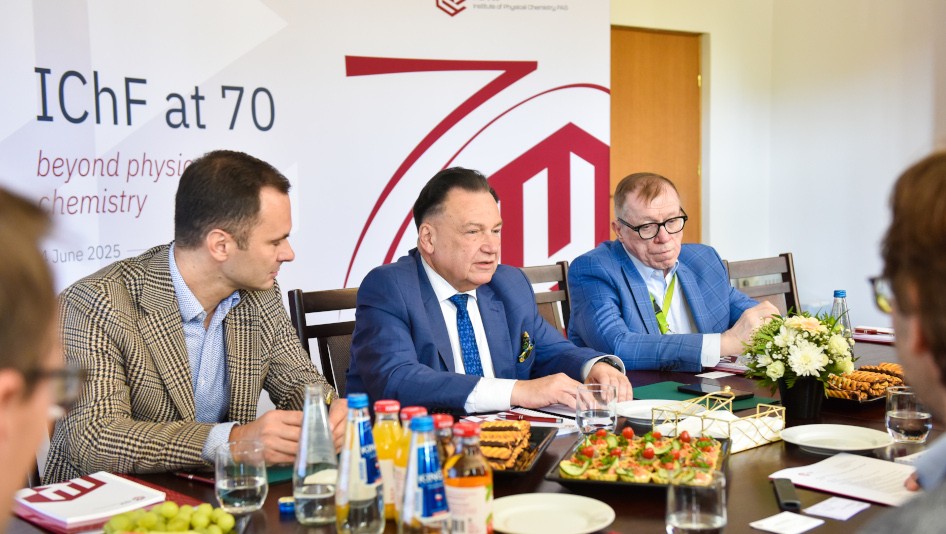
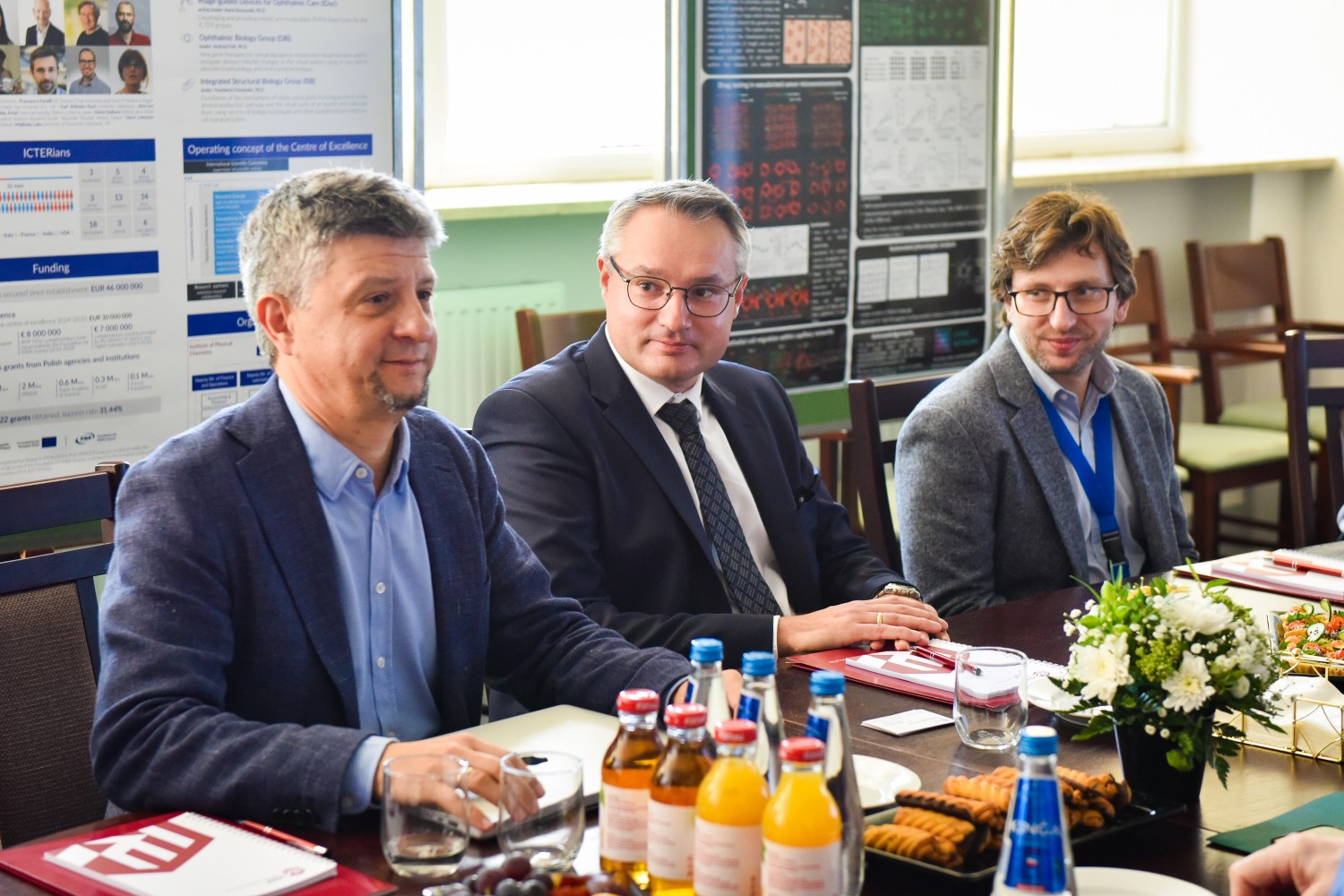
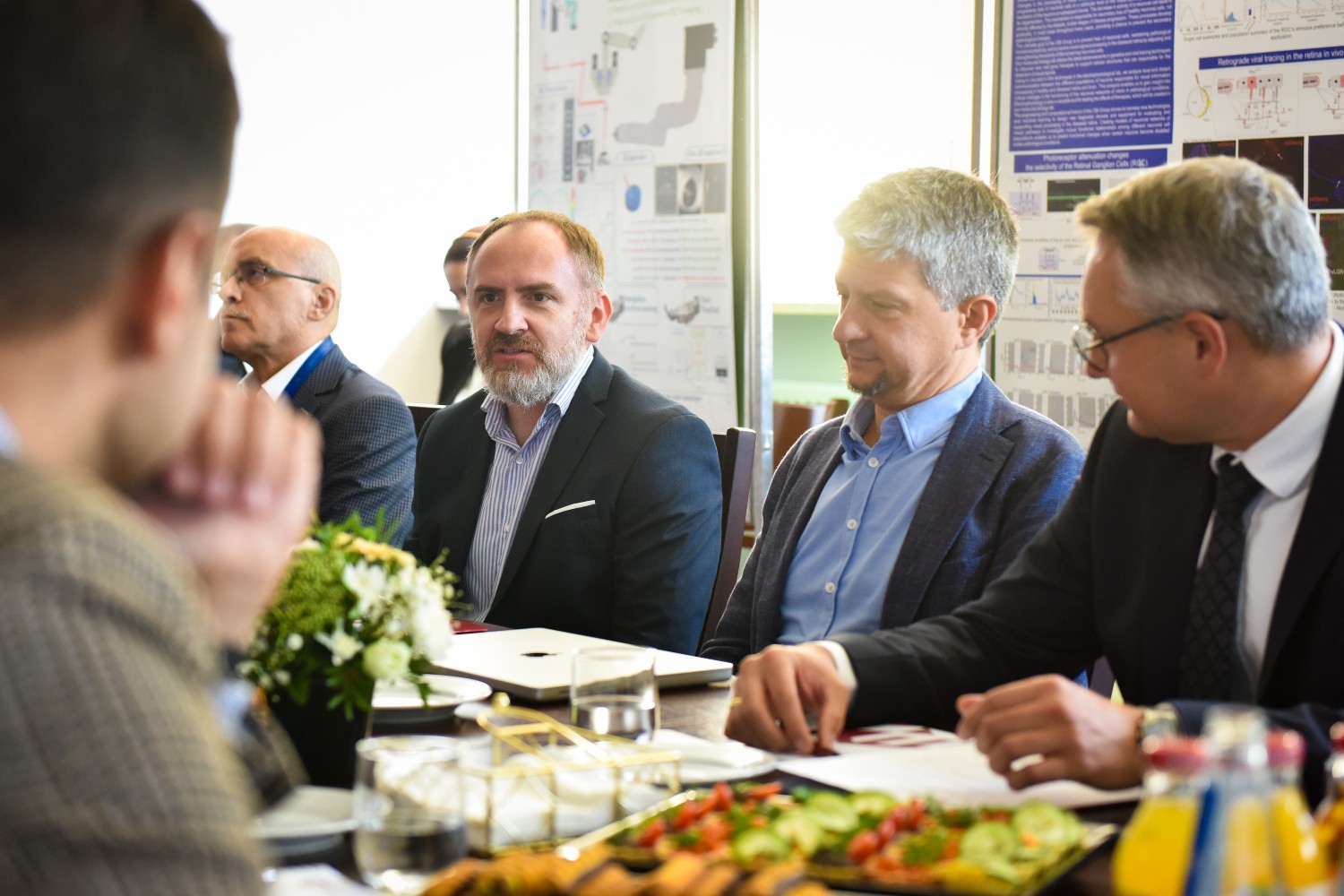
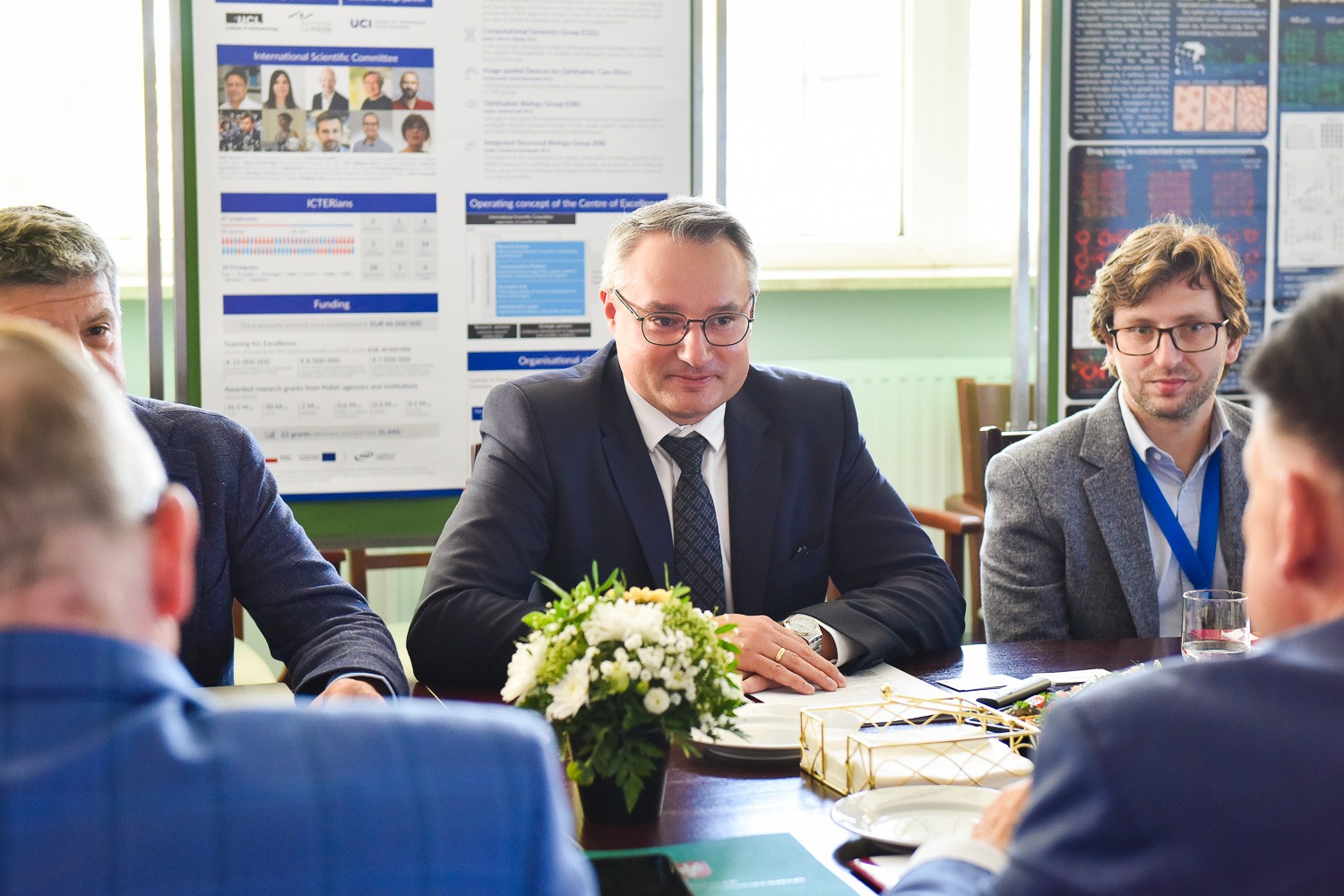
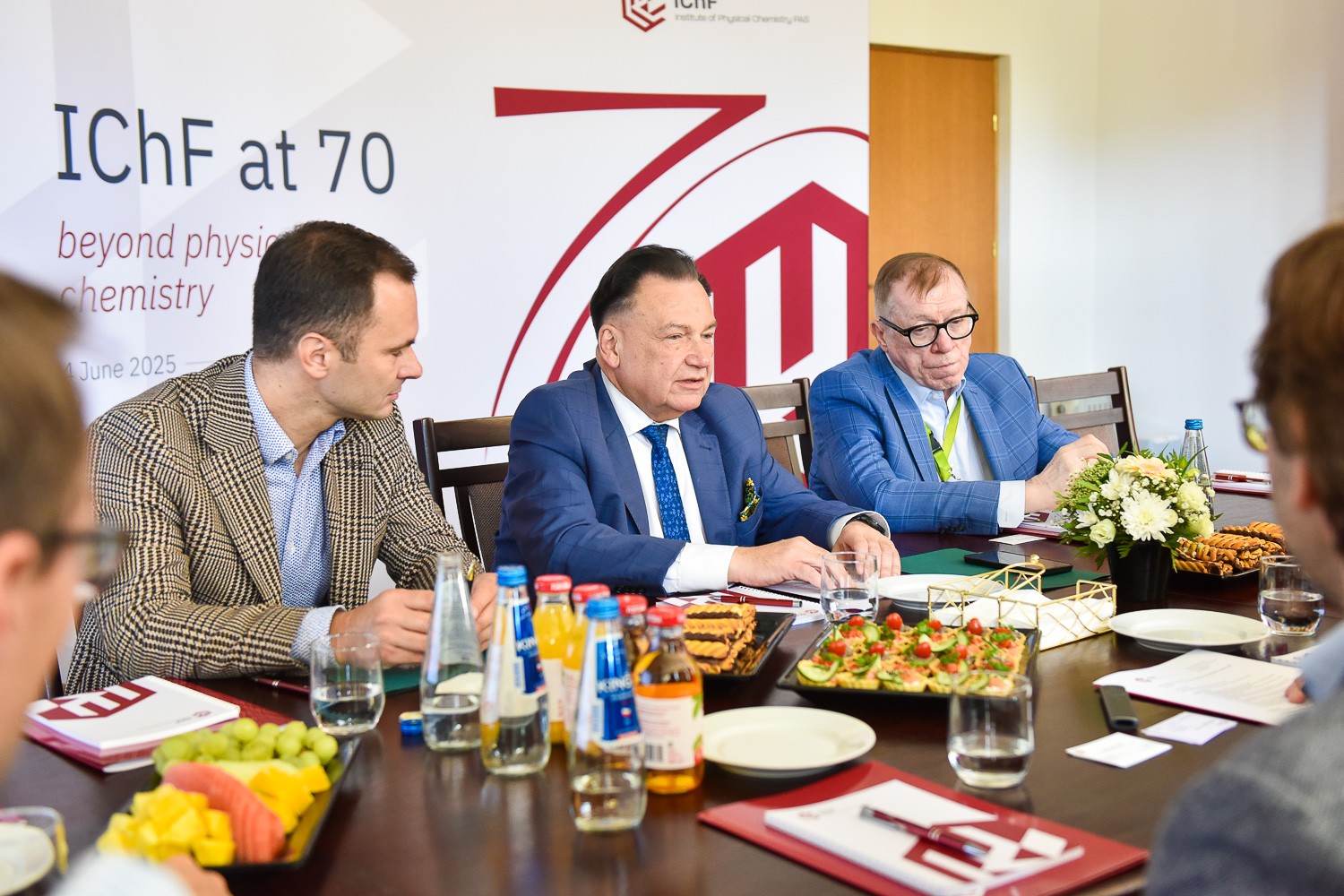
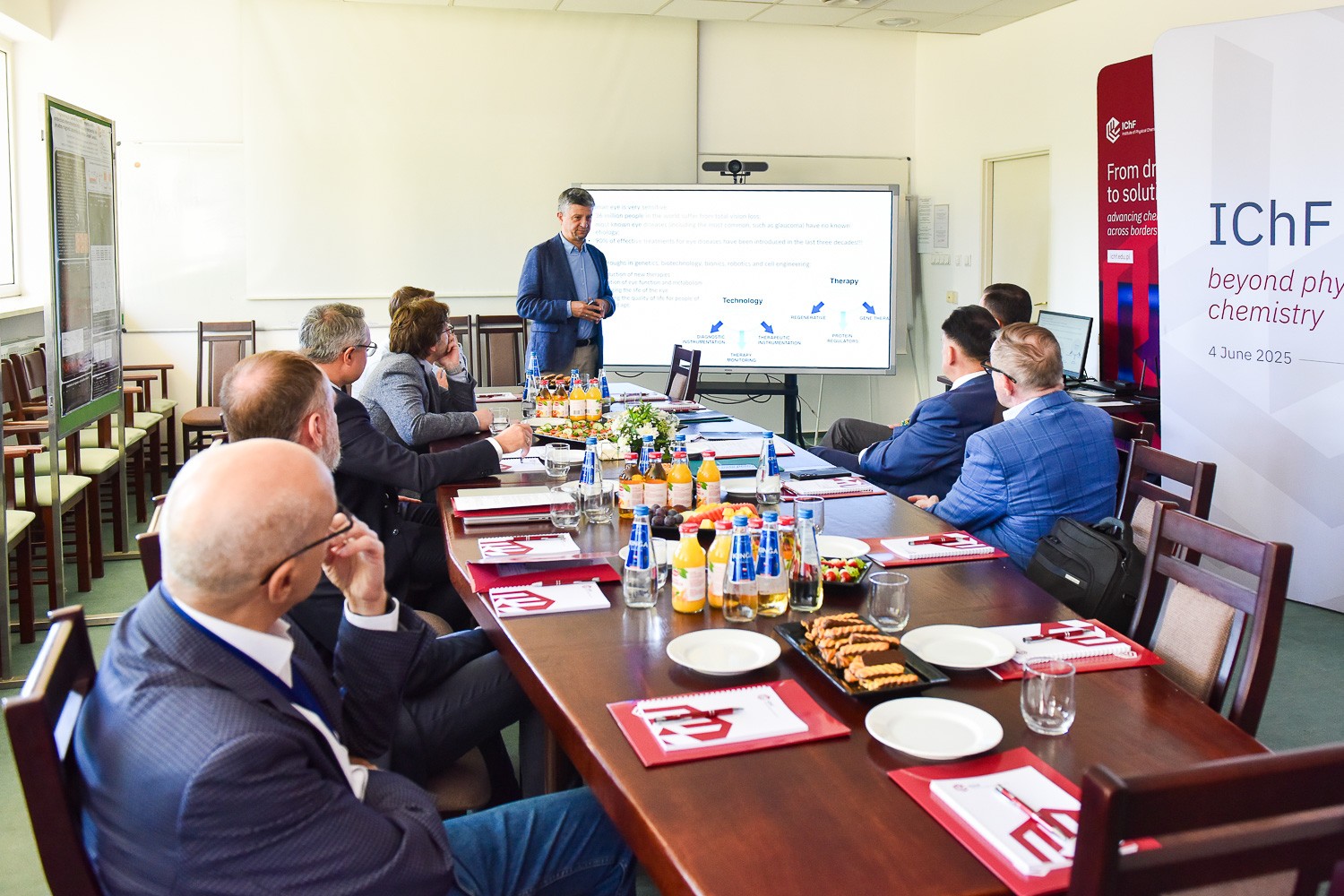
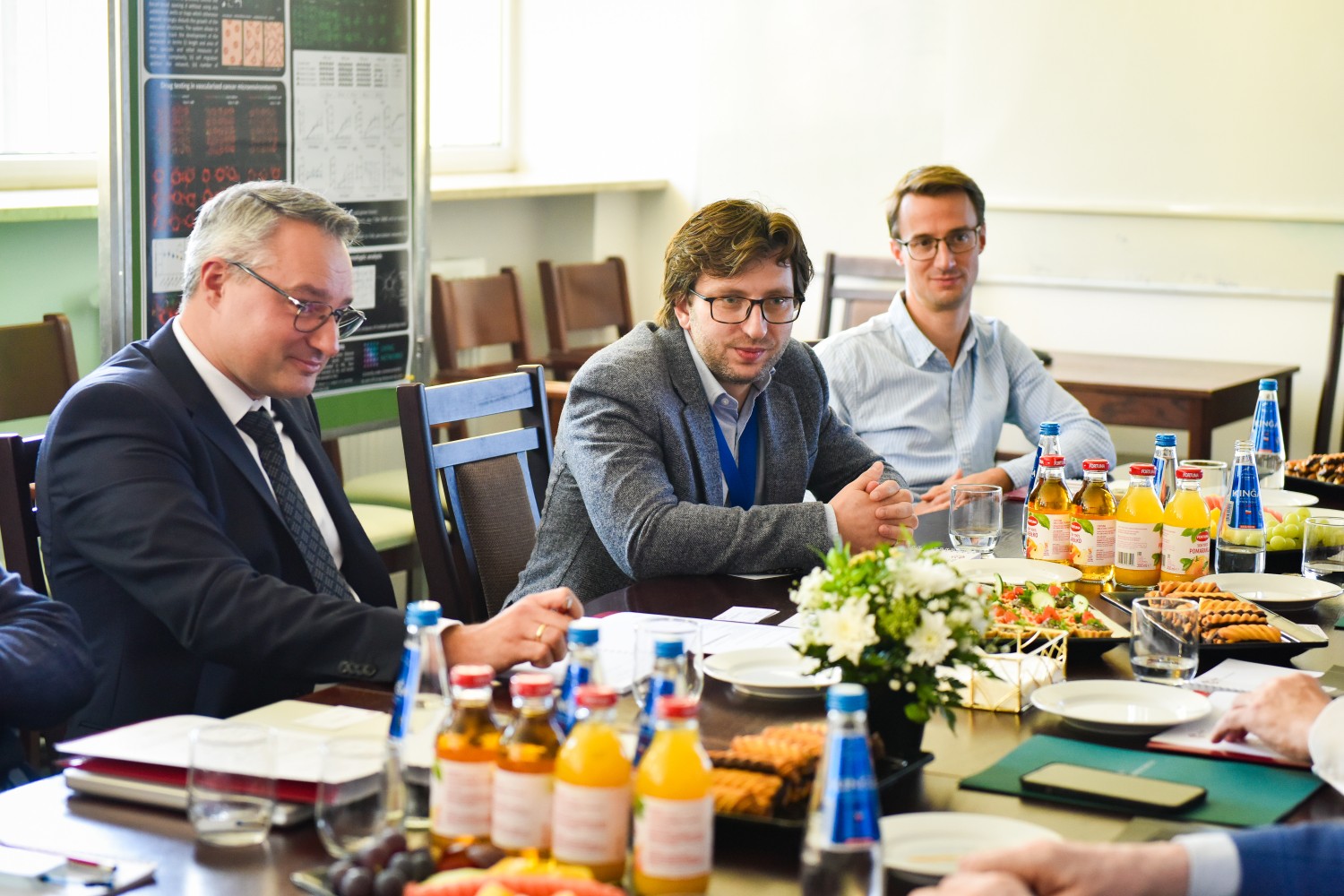
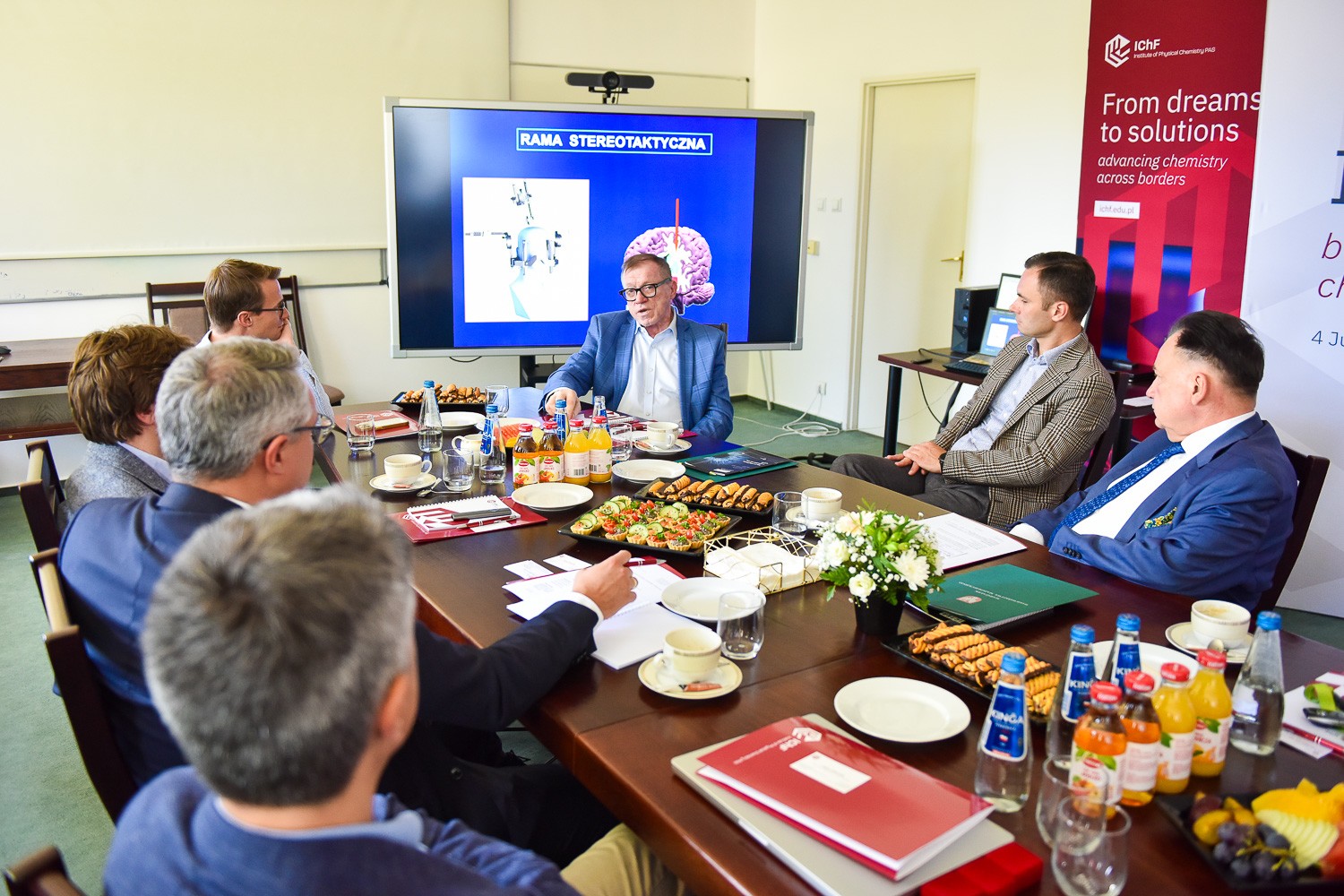
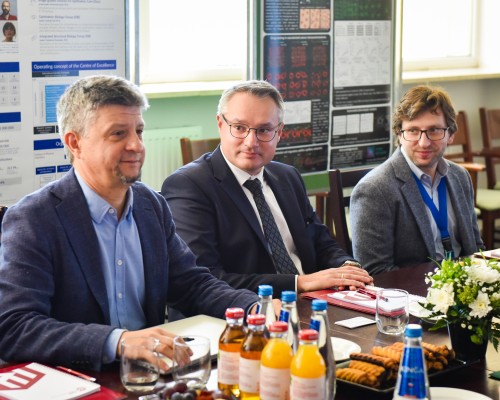
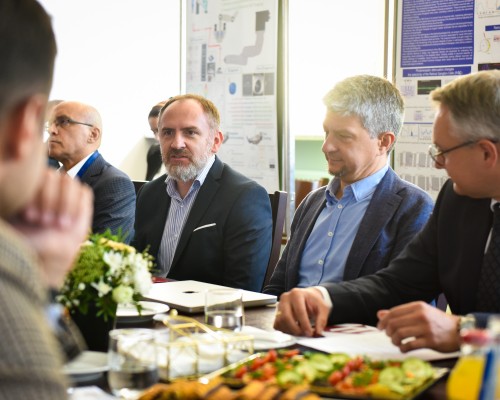
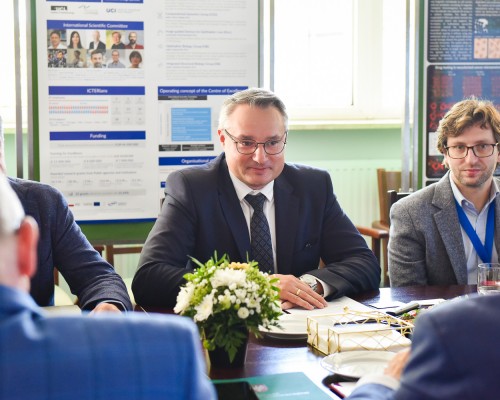
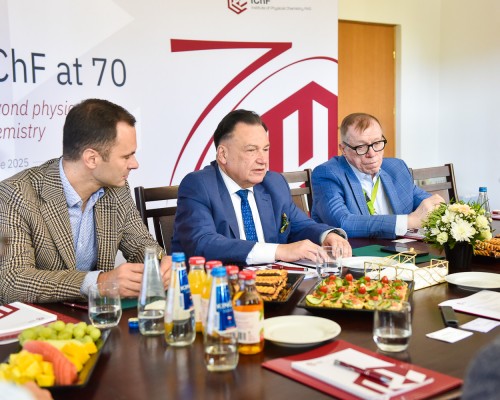
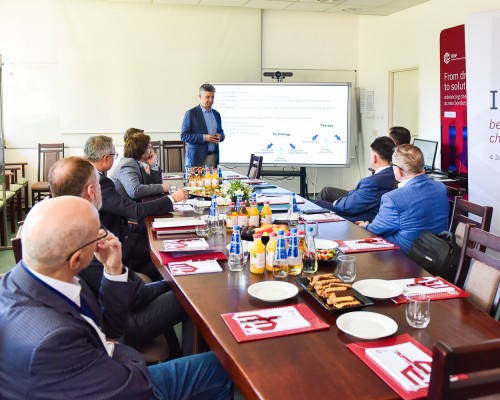
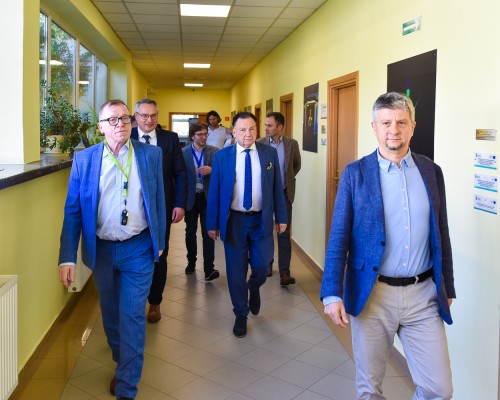
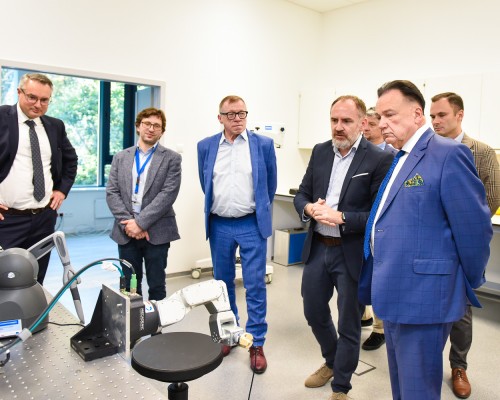
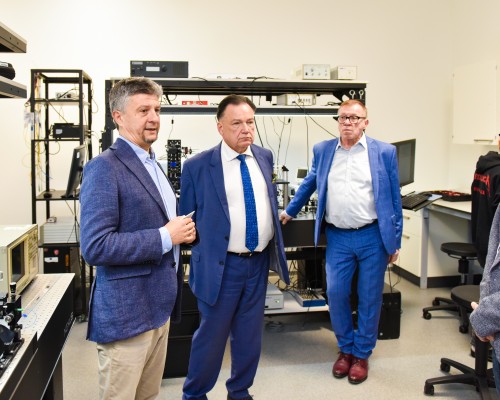
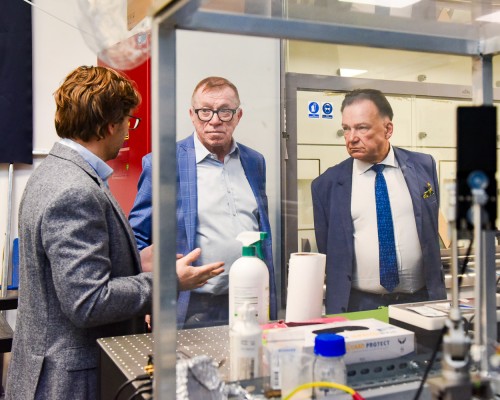
On September 22, 2025, the Institute of Physical Chemistry, Polish Academy of Sciences (IPC PAS) in Warsaw hosted a meeting dedicated to “The potential of the Mazovia Region in the development of gene therapies.” The discussion brought together representatives of the regional government, the clinical community, and research teams from IPC PAS and ICTER – the International Centre for Translational Eye Research. Participants included Adam Struzik, Marshal of the Mazowieckie Voivodeship, Marcin Wajda (Director of the Department of Regional Development and European Funds), Prof. Mirosław Ząbek (Neurosurgery Clinic, Mazovian Bródno Hospital), and—on behalf of IPC PAS and ICTER—Prof. Maciej Wojtkowski, Dr. Andrzej Foik, Dr. Karol Karnowski, Prof. Jan Guzowski, Prof. Adam Kubas, Director of IPC PAS, and Prof. Jacek Gregorowicz, Deputy Director of IPC PAS. Each institution presented a brief overview of its achievements and research plans, and the Marshal was interviewed by the IPC PAS Communication Manager on Mazovia’s role in advancing gene therapies.
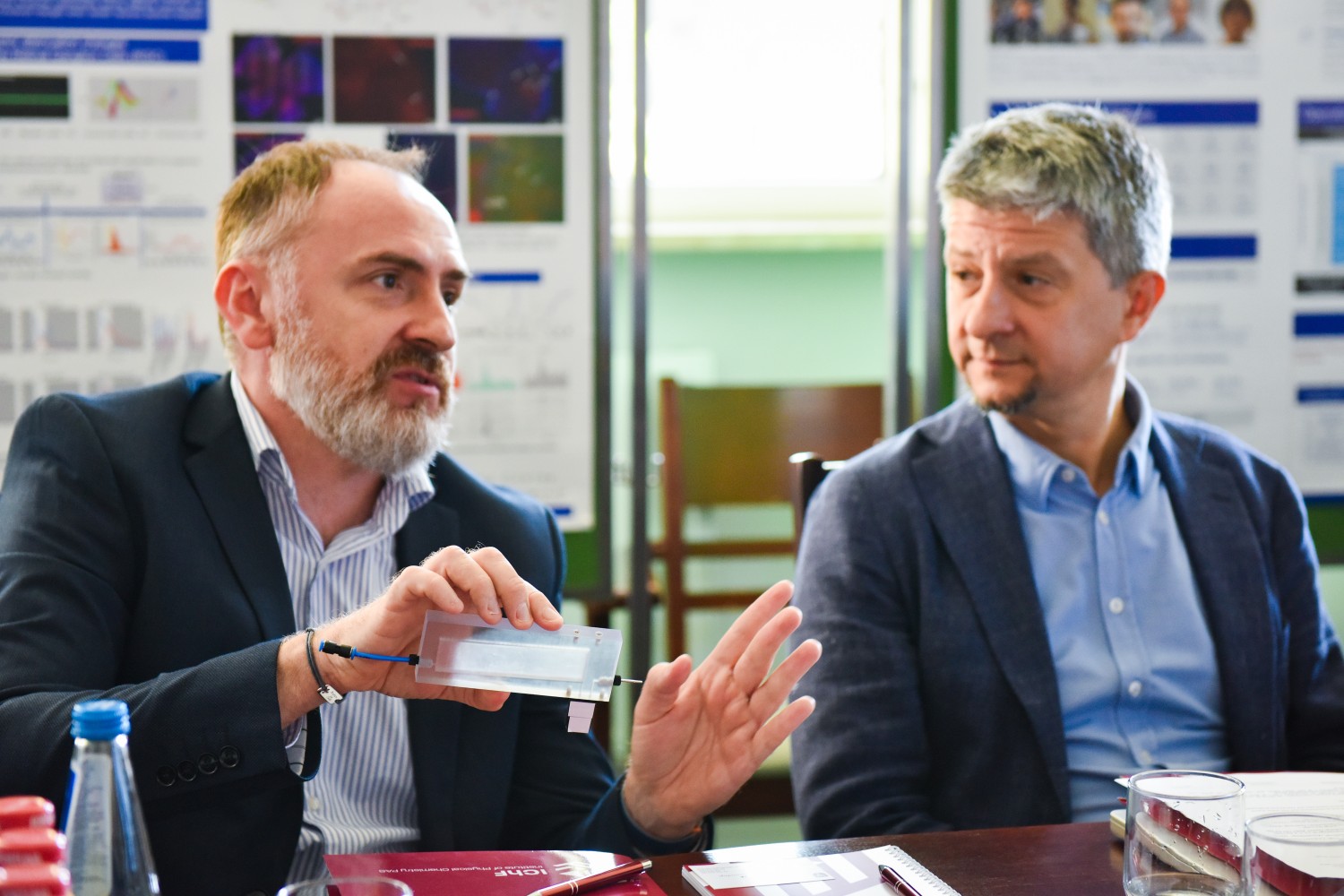
ICTER is an autonomous unit within IPC PAS that is currently being transformed into a Centre of Scientific Excellence under an EU-funded project named TRIO-Vi (https://triovi.icter.pl/). The Centre was established in 2019 by Prof. Maciej Wojtkowski, a laureate of the International Research Agendas (MAB) program implemented by the Foundation for Polish Science. ICTER’s key strategic partners include the Institute of Ophthalmology at University College London (UK) and the Institut de la Vision at Sorbonne University (France), with additional international scientific collaboration with the University of California, Irvine (USA). The transformation of ICTER into a Centre of Excellence is supported by funding awarded for 2025–2030 through the prestigious Teaming for Excellence grant from the European Commission. After the overview of ICTER, Prof. Jan Guzowski presented the scientific profile of the Soft Granular Matter and Tissue Engineering research group at IPC PAS (Group 19), which combines microfluidics and tissue engineering to enable rapid, personalized testing of therapies. The team pushes the boundaries of tissue miniaturization to develop radically novel tissue engineering approaches for applications in clinical diagnostics and therapy development. One of the primary areas of interest of Group 19's research is the generation and examination of patient-derived micro-tumors as living ‘avatars’ of a given patient and to use these avatars in personalized, highly precise diagnostics. Here, the research focuses on the evaluation of immunotherapies and gene therapies, in particular CAR-T cell therapies, whose poor efficacy in solid tumors, including breast cancer, remains one of the biggest challenges in oncology. The Group’s unique approach leverages the most recent advances in microfluidics and tissue engineering to perform drug screens within several days (as compared to months in other methods) with the long-term goal of transforming functional diagnostics in clinical cancer treatment.
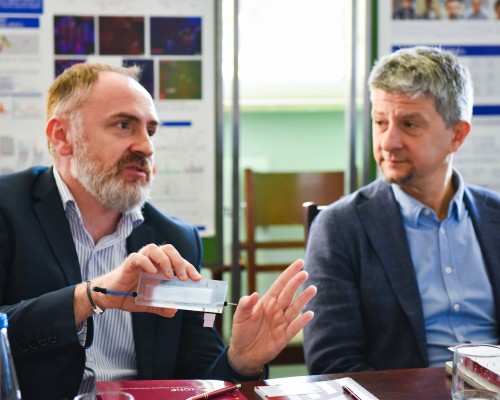
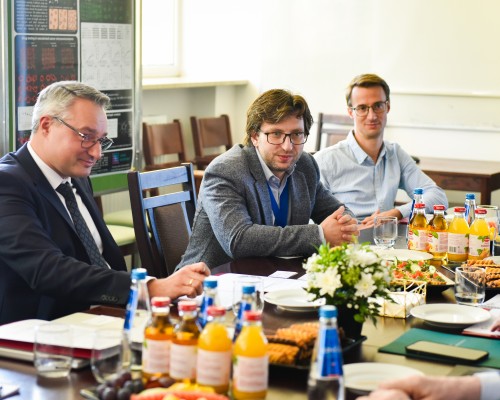
The introductory presentations were followed by a discussion addressing development pathways for gene therapies and potential models of collaboration.
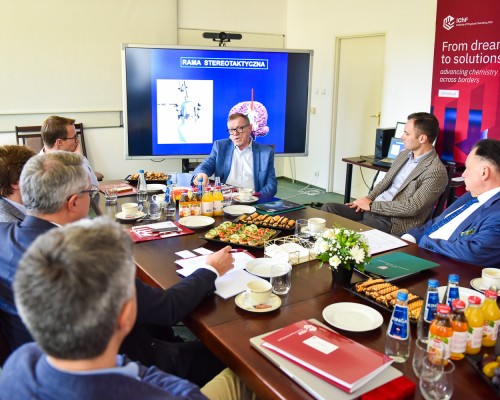
During the course of the discussion, Prof. Mirosław Ząbek outlined modern treatment methods using gene therapy implemented at the Neurosurgery Clinic of the Mazovian Bródno Hospital in Warsaw—particularly research aimed at developing new medical technologies for Parkinson’s disease and other neurodegenerative disorders. He also presented a representative success story: an innovative neurosurgical procedure employing gene therapy performed at his clinic and widely covered by media (reference: https://www.aadcresearch.org/meet-rian).
Next, Dr. Andrzej Foik presented specific applications from the Ophthalmic Biology Laboratory at ICTER (OBi), which develops gene therapy concepts and new vectors for targeted modifications in the retina. The most common vision disorders in humans have a genetic origin. Many diseases affecting the visual pathway are associated with the degeneration of specific types of neuronal cells in the retina, while other neurons remain intact. The OBi genetic engineering lab explores the latest advancements in genetics to develop novel viral gene therapies aimed at enabling the remaining cells to detect visual stimuli. OBi researchers have designed a new viral vector, which offers one of the largest cargo capacities for delivering desired gene sequences into cells. Furthermore, they have modified this vector to ensure specificity for particular cell populations.
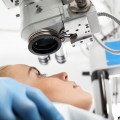
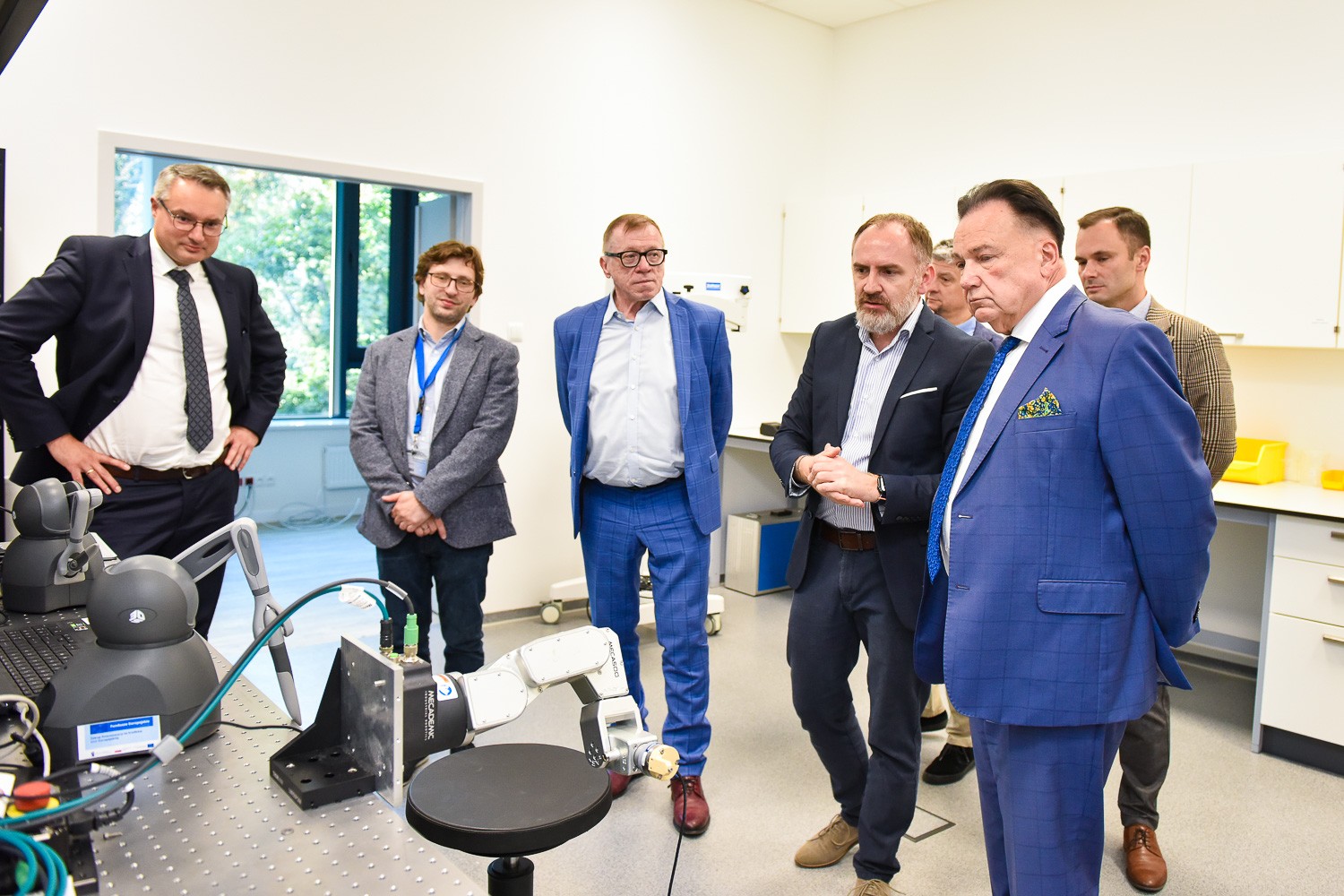
During the meeting, Dr. Karol Karnowski also outlined the scope of the Image-guided Devices for Ophthalmic Care (IDoc) group, which combines advanced imaging, robotics, and automation with AI-based solutions. The IDoc Group operates at the intersection of modern imaging, robotics, and automation, enhanced by artificial intelligence. In collaboration with the OBi group, one of IDoc's key goals is the automated and precise delivery of gene therapies. The primary challenge is administering the precious therapeutic cargo to delicate ocular structures with a precision comparable to the width of a human hair, opening new possibilities in treating eye diseases.
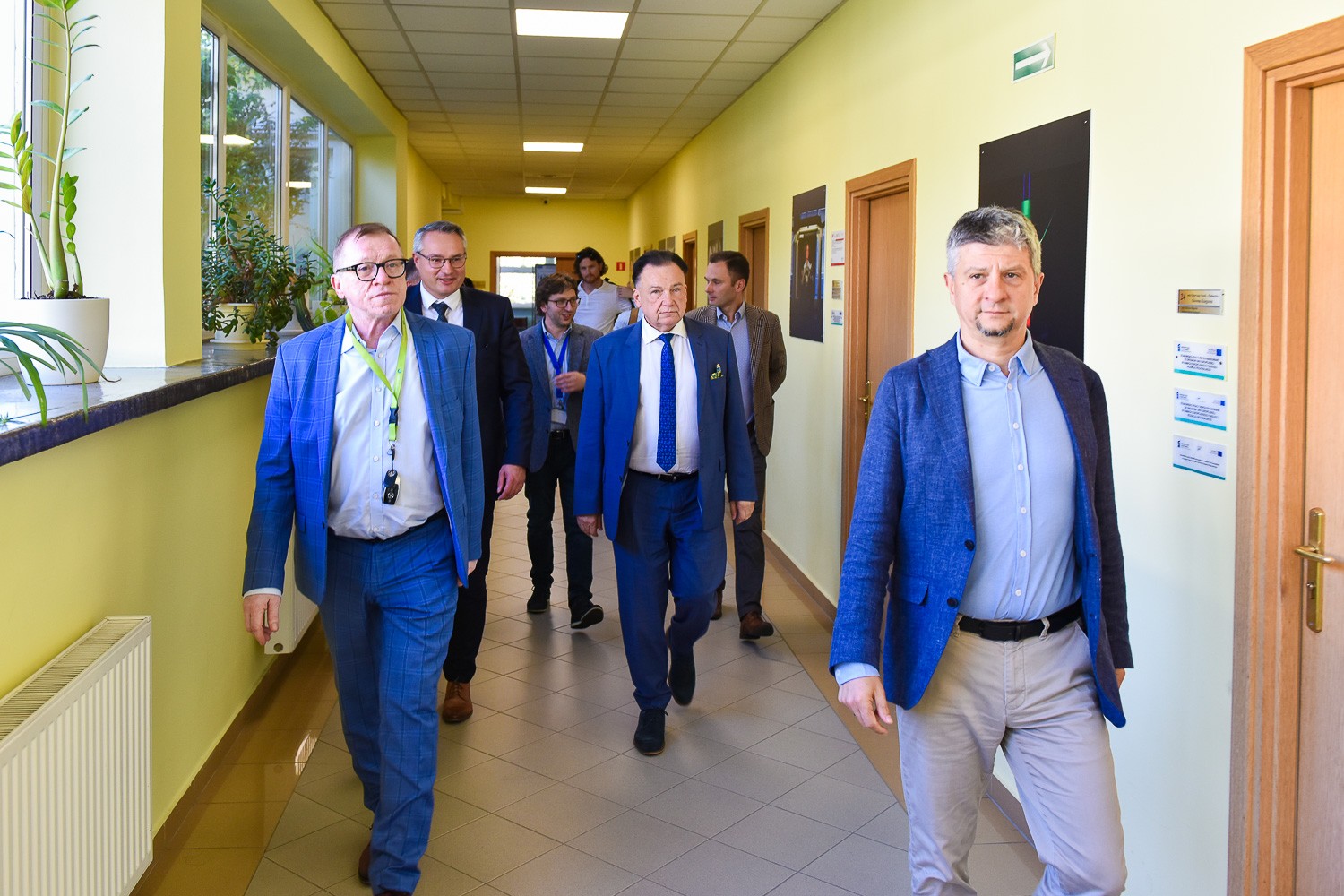
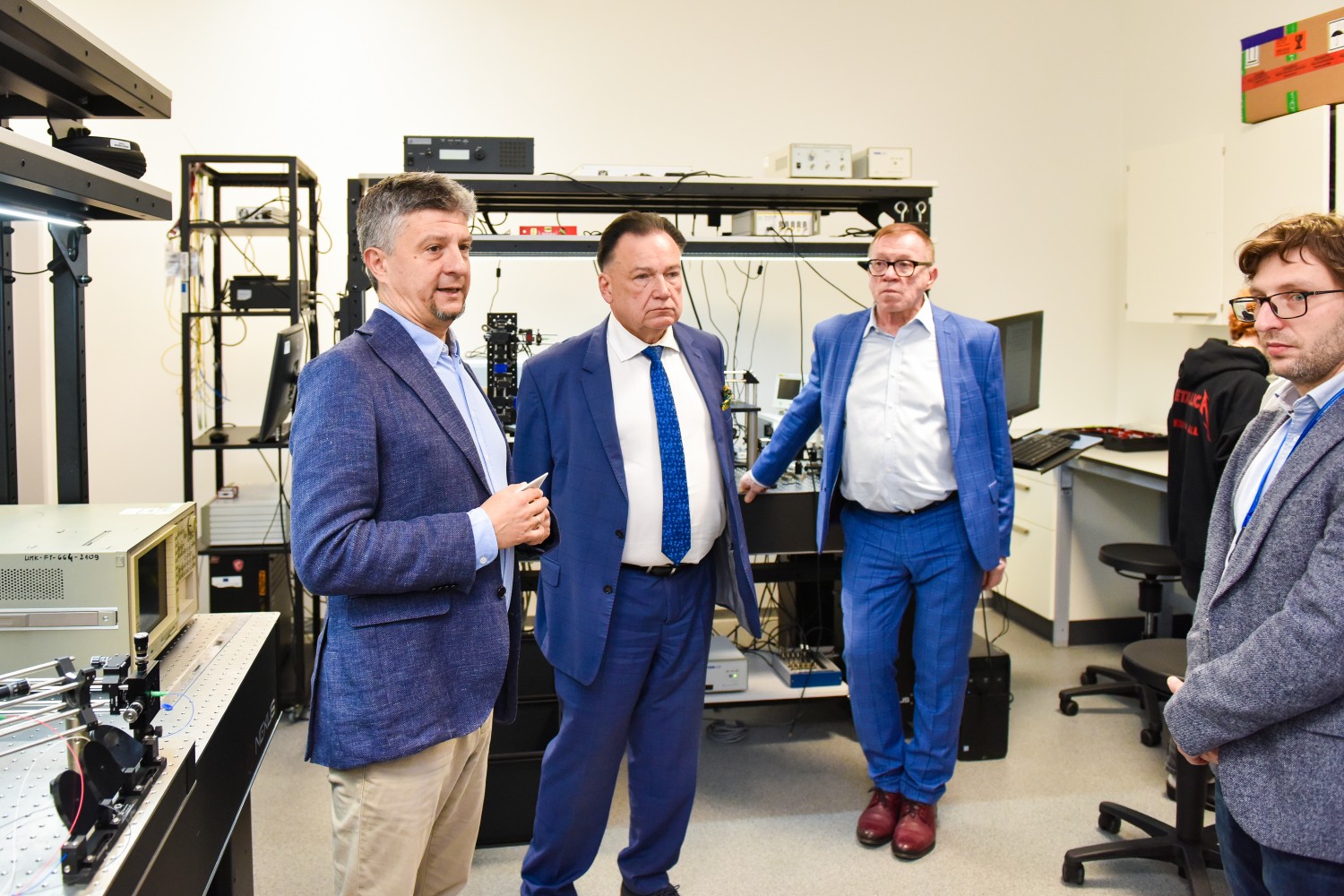
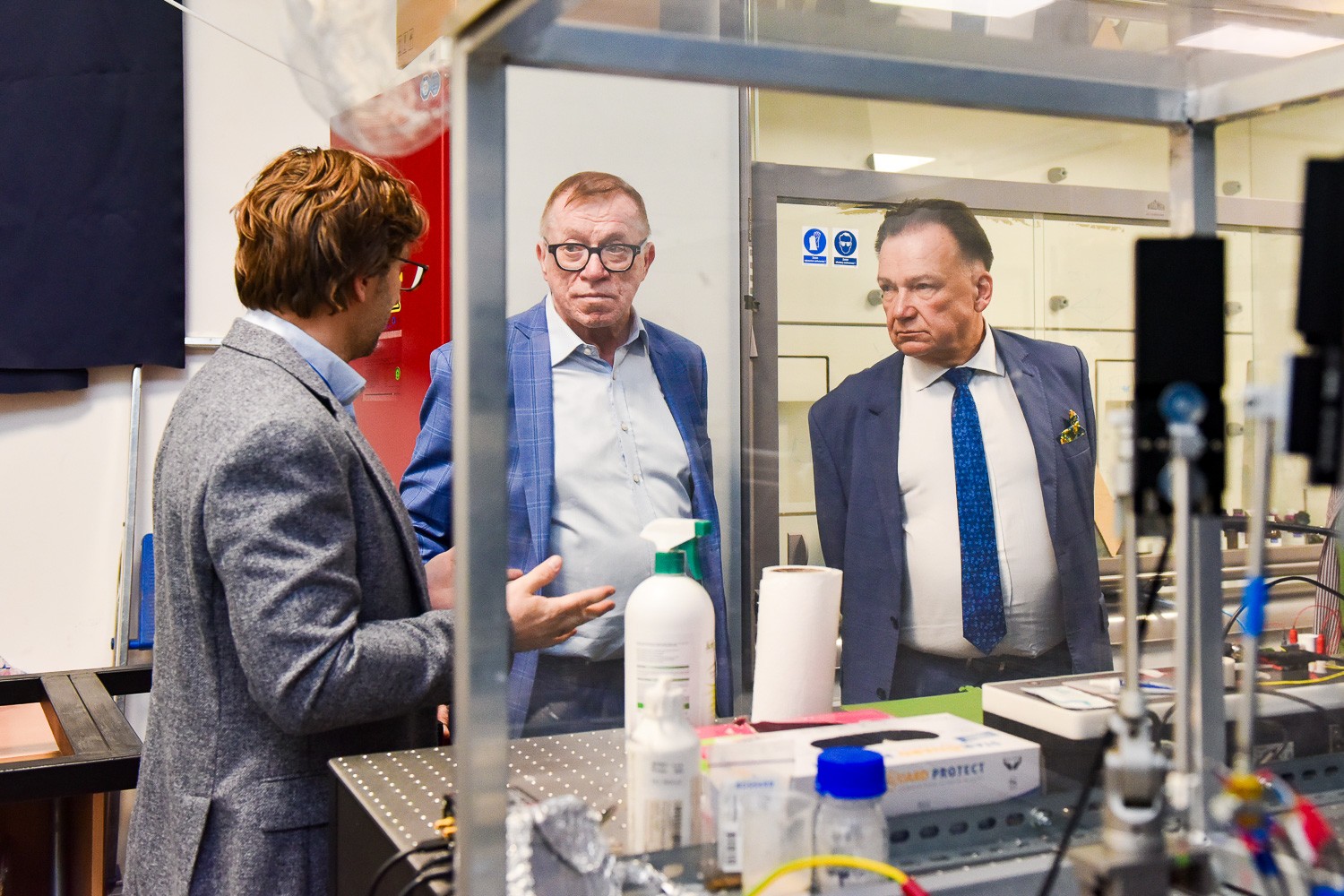
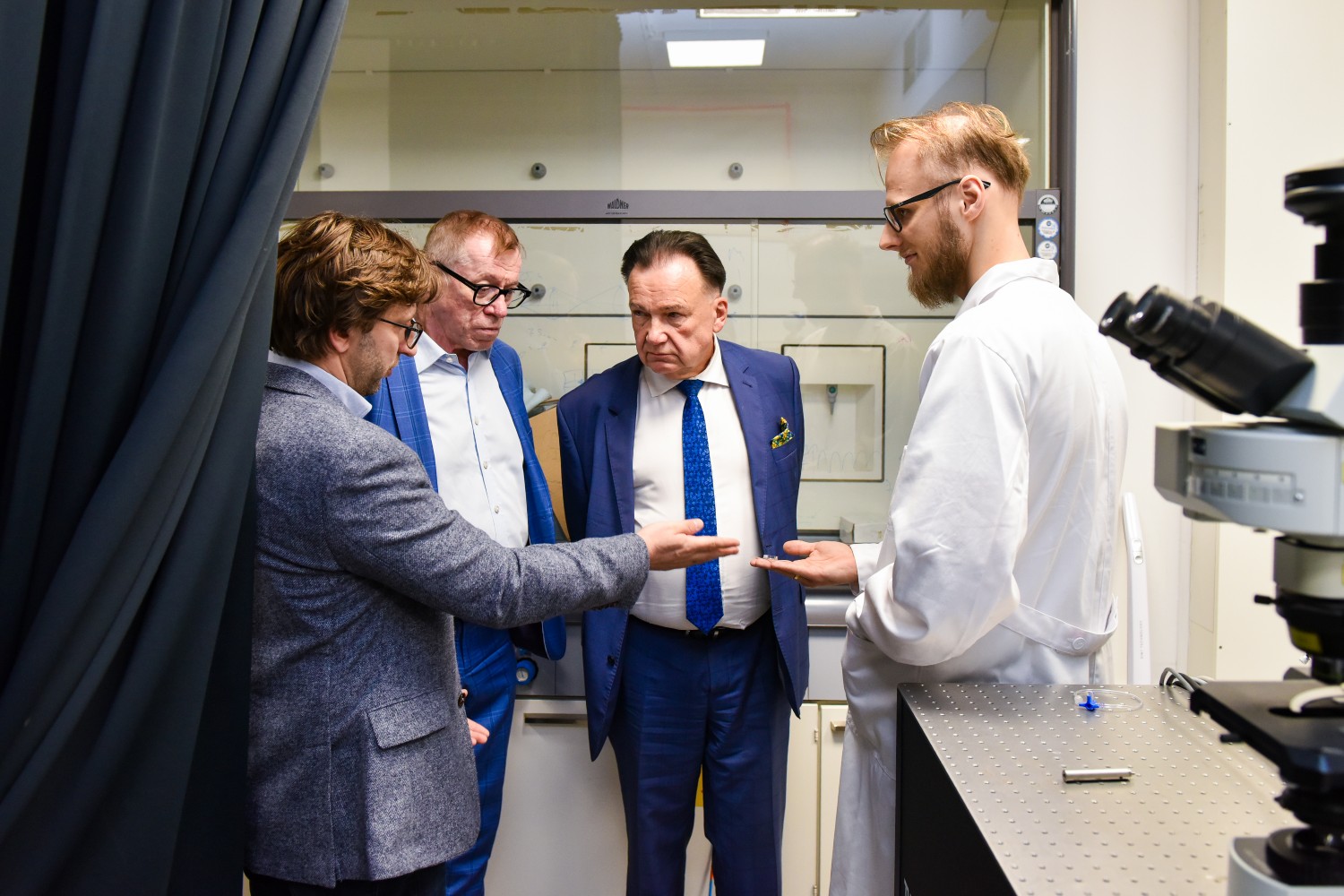
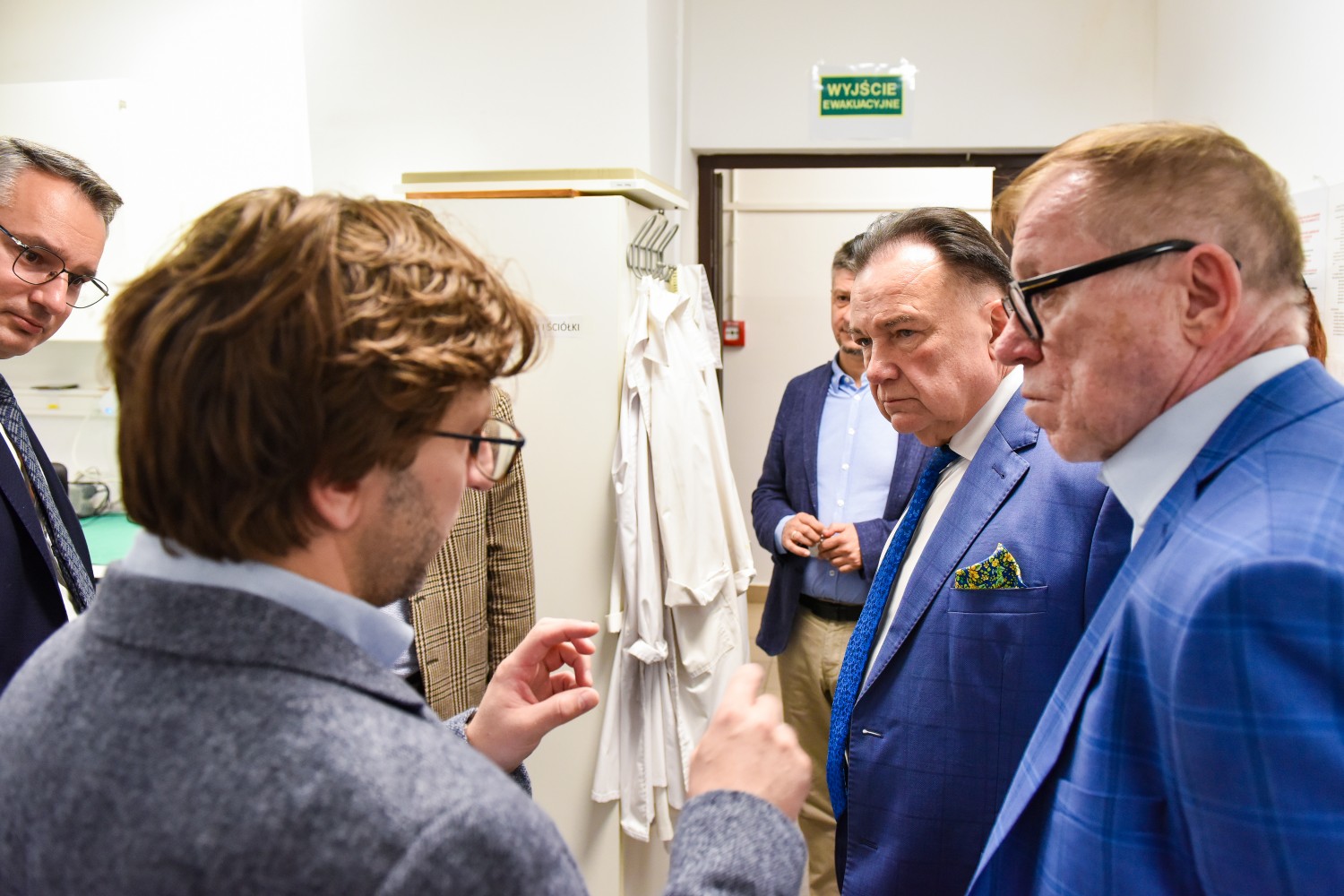
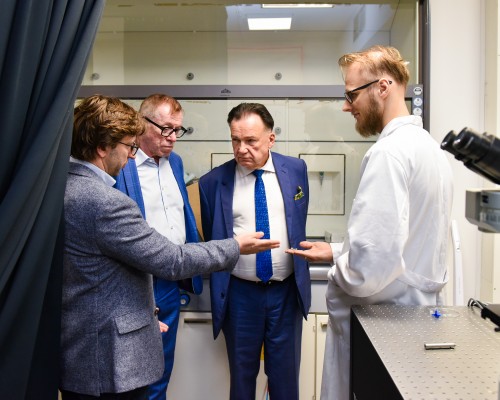
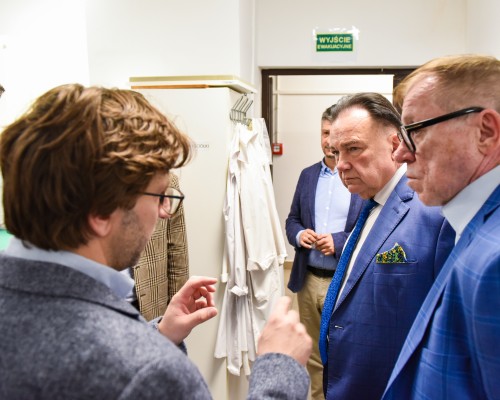
After the discussion, the delegation visited the laboratories of the presented groups to gain an even fuller understanding of their practical operations.
Summarizing the visit, IPC PAS Director Prof. Adam Kubas, emphasized the importance of cooperation with the regional government and the Institute’s development plans:
“We are strengthening cooperation with the regional government and believe we have much to offer in therapies that are central to the voivodeship’s priorities—namely, gene therapies. This pertains in particular to ICTER, which operates within the Institute, as well as to the microfluidic platforms we are developing that can become tools for testing drugs used in gene therapy. The Institute is at an important turning point—we would like to invest in the future by integrating chemistry, biology, and physics even more strongly, to become an interdisciplinary centre for translational research for Mazovia.”
Prof. Maciej Wojtkowski, Director of ICTER, related the Centre’s research directions to openness to new areas of collaboration:
“We are presently developing gene and optogenetic therapies to restore vision, along with devices that support their deployment. We would, however, like to expand our activities to systemic and neurodegenerative diseases that manifest in various ways through changes in the eye. In this context, we are open to collaboration with Prof. Ząbek, who is a distinguished expert in the field.”
During his visit to IPC PAS, Marshal Adam Struzik also gave an interview where he outlined the Mazovia Region’s vision for the development of breakthrough medical therapies. Below is the conversation with our Communication Manager.
1. A pioneering gene-therapy project, supported by the European Funds for Mazovia 2021–2027 program and aligned with the objectives of the Strategic Technologies for Europe Platform (STEP), opens a new chapter in the region’s innovation ecosystem. How do you see this initiative shaping Mazovia’s leading position in breakthrough medical technologies?
Adam Struzik: Gene therapies are among the most promising branches of contemporary medicine, and the ability to implement them in Mazovia means that our region is becoming part of the global vanguard in this area. Support from European funds enables us to carry out projects that combine the potential of science, clinics, and technology, while addressing the real health challenges of an aging society.
This endeavor—pioneering not only in Poland but also in Europe—has a symbolic dimension for me. It shows that Mazovia not only benefits from the latest solutions but also helps to create them. We are laying the foundations of the medicine of the future, in which patients with Parkinson’s disease and other neurodegenerative disorders will be able to receive treatments that modify the course of the disease, not just alleviate symptoms. I am convinced that thanks to such projects, Mazovia is consolidating its leading position as an innovative, competitive region capable of setting new directions of development in Europe.
2. In Western Europe, gene therapies are becoming a strategic priority, and the examples of Catalonia, the Basque Country, and Occitanie show that regional governments can lead this transformation. With the projects currently underway, and cooperation between medical and research institutions, can Mazovia become a gene-therapy hub in Central Europe and build a lasting competitive advantage in this field?
Adam Struzik: Mazovia has all the assets to play such a role. We have highly specialized medical and scientific staff whose achievements—such as the work of Prof. Mirosław Ząbek’s team—are recognized worldwide. We have research institutes and laboratories developing biotechnology and innovation at a world-class level. Importantly, we know how to combine these resources into a coherent ecosystem, where cooperation among the regional
government, universities, hospitals, and research institutes translates into real projects serving patients.
The examples of Western European regions show that in the 21st century, not only large states but also regional governments can shape the future of technology and build competitive advantages. We want Mazovia to become such a center in Central Europe—a hub for gene therapies, innovative technologies, and research that attracts investors, experts, and patients from across the continent. This is not only an ambition, but also a tangible opportunity for the region’s long-term socio-economic development.
3. What message would you like to convey to the residents of Mazovia after seeing the gene-therapy research being developed at IPC PAS and the ICTER Centre of Excellence?
Adam Struzik: My message is very simple: Mazovia is investing in a future centered on human health. What happens in the laboratories and operating rooms of our institutions is not abstract. These are real research efforts that may change the lives of thousands of patients and their families in just a few years.
I would like the people of Mazovia to feel proud that projects of global significance are being developed right here—in our region. Projects that show how science and medicine can go hand in hand to bring hope where, until now, helplessness has prevailed in the face of disease.
At the same time, I want to emphasize that investments in innovation are investments in the health security of all of us. They reduce dependence on foreign technologies and build capabilities that can serve Poles for decades. Therefore, I can say with full confidence that every resident of Mazovia is a co-beneficiary of these efforts, because health and a better future are shared values that we build together.
We thank the Marshal of the Mazowieckie Voivodeship for the interview and all members of the delegation for visiting IPC PAS.
Text: IPC PAS & ICTER
English text proofread by Prof. Martin Jönsson-Niedziółka
Interview: Dr. Anna Przybyło-Józefowicz
Photos: Tomasz Słupski, Mateusz Woliński

- Date: 24.09.2025