The CRATER 2.0 Conference: ‘It is all about the eye’ – report and interviews
Reading time: about 21 minuts
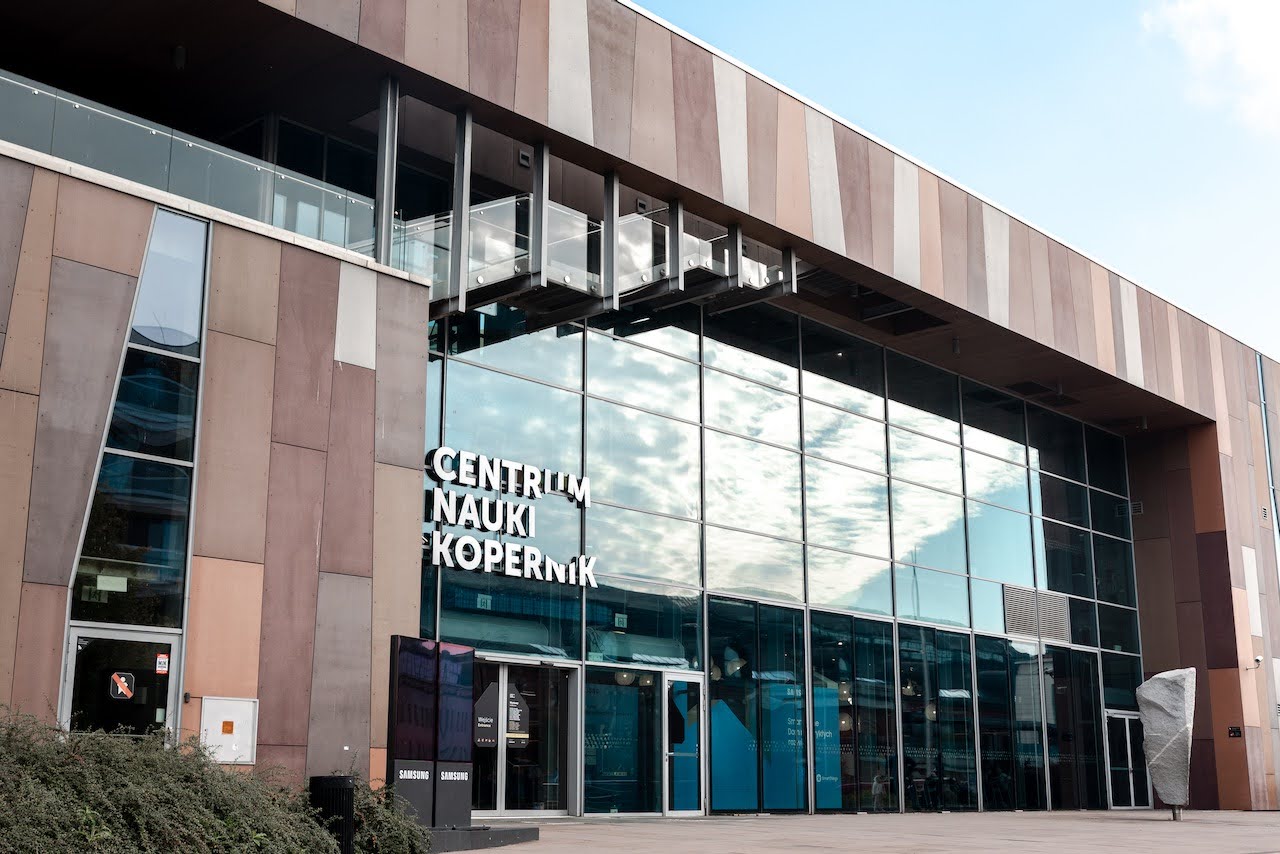
On 8–10th October, 2025, the Copernicus Science Centre in Warsaw hosted the second Conference on Recent Advances in Translational Eye Research (CRATER 2.0) – an international meeting devoted to the latest achievements in vision research. CRATER was created as a forum for the exchange of ideas, presentation of innovative technologies and dialogue between basic science, clinical research and industry. The second meeting continued this mission with renewed energy, bringing together 188 leading experts from around the world to tackle the most pressing challenges in vision health, prophylaxis, diagnosis and treatment.
The event was organized by the International Centre for Translational Eye Research (ICTER), the Institute of Physical Chemistry, Polish Academy of Sciences (IChF) and the Candela Foundation. These partners jointly create an ecosystem supporting the development of advanced photonic and biomedical technologies in Poland. The conference was supported by the following sponsors: Topcon Healthcare, Thorlabs, Hamamatsu Photonics and 2 Photons, as well as the i2EYE community.
At the opening ceremony participants were welcomed by Prof. Dr. hab. Maciej Wojtkowski, Chair of ICTER, who emphasised the importance of interdisciplinarity and cross-sector cooperation in the development of modern methods of eye examination and vision protection. Prof. Wojtkowski highlighted the importance of a new initiative of strategic importance for European science – the TRIO-Vi Centre of Excellence, implemented as part of the Teaming for Excellence programme. The Centre, created by ICTER at the Institute of Physical Chemistry, Polish Academy of Sciences, the Institute of Ophthalmology (University College London) and the Institut de la Vision (Sorbonne Université), is building a European centre of excellence in the field of vision research, supporting researcher mobility, joint research projects and the organization of events such as CRATER.
The event’s inauguration was graced with speeches by guests of honor including Sylwia Sztark, Head of the Regional Innovation System Division in the Department of Regional Development and European Funds of the Marshal's Office of the Mazovian Voivodeship in Warsaw, who read out a letter from Marshal Adam Struzik and formally presented it to Prof. Wojtkowski, Prof. Dr. hab. Krzysztof Pyrć, President of the Foundation for Polish Science, as well as the director of the Institute of Physical Chemistry, Polish Academy of Sciences, Dr. hab. Adam Kubas.
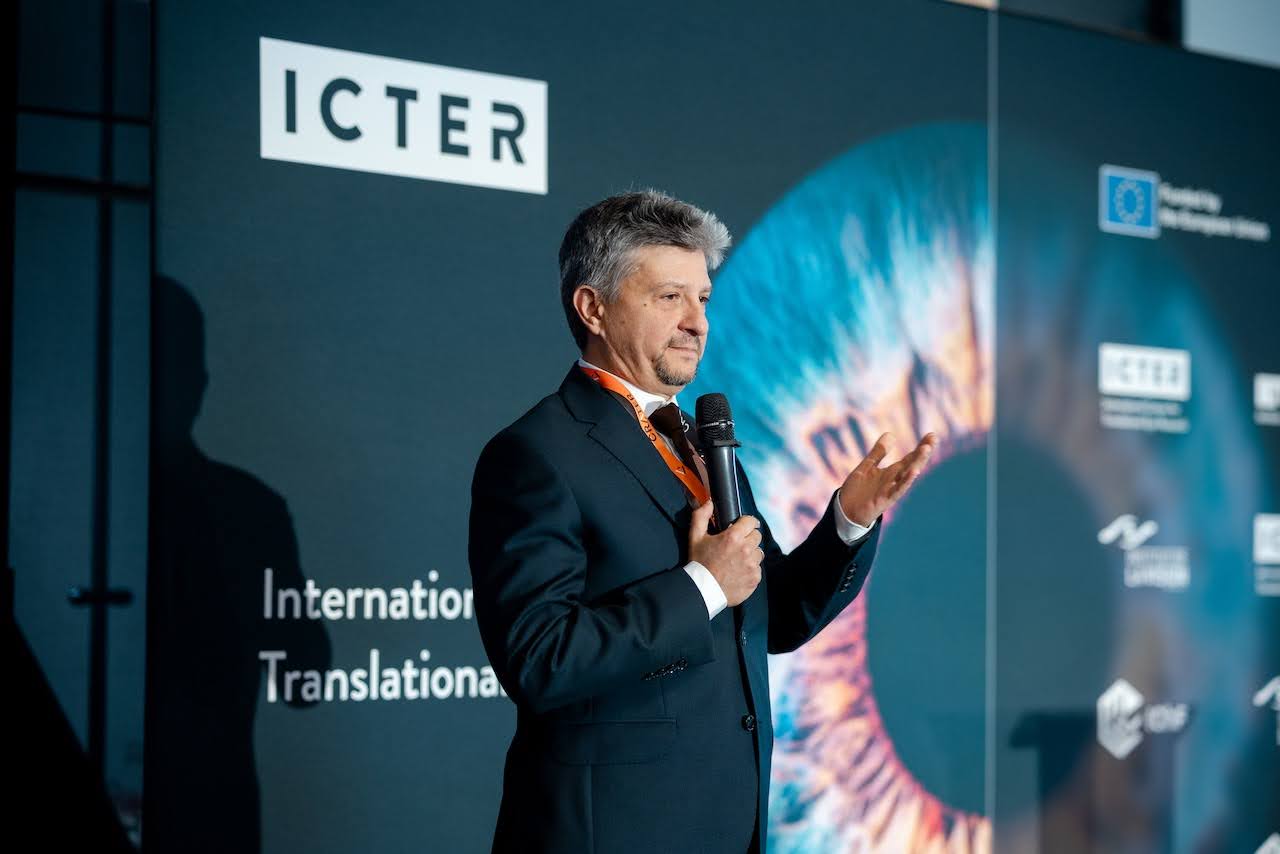
Prof. Dr. hab. M. Wojtkowski.
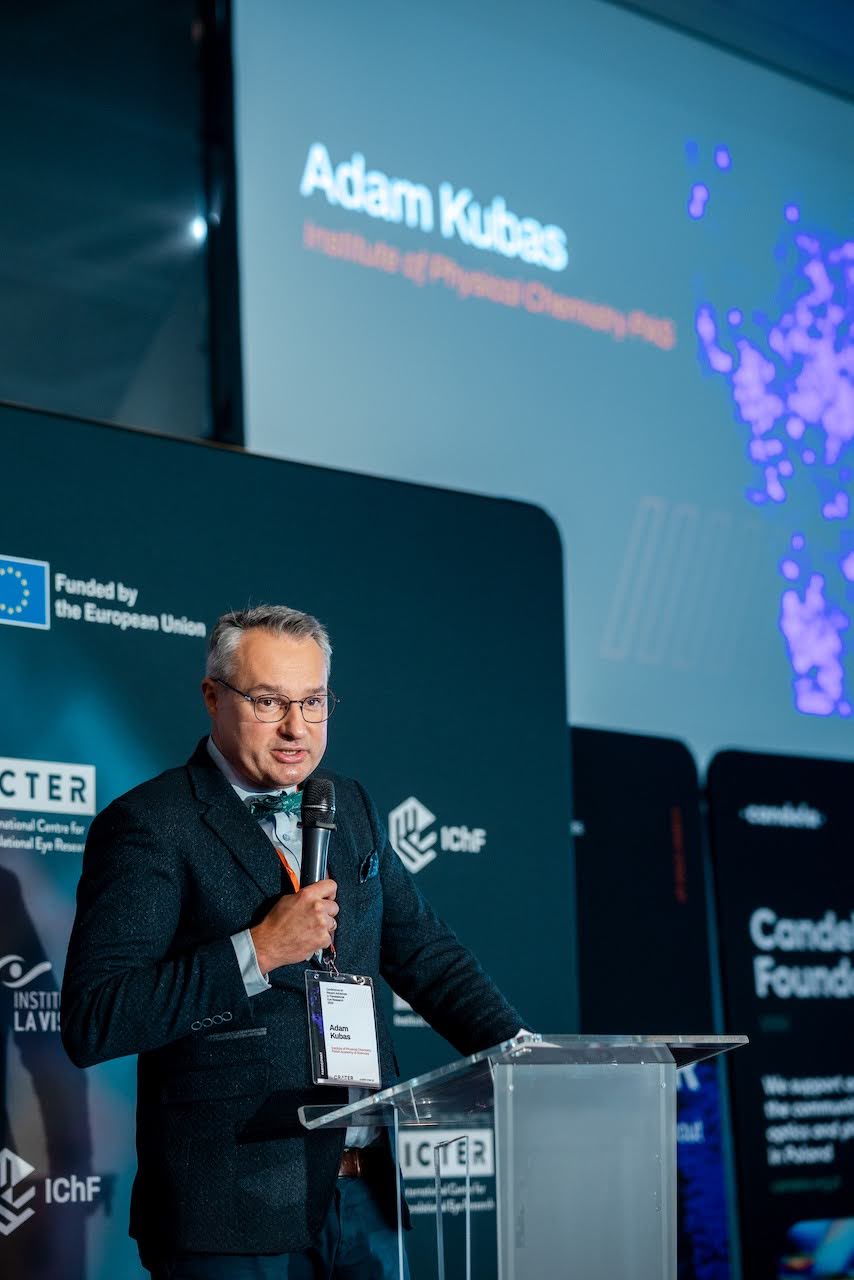
Dr. hab. A. Kubas.
Honoring Prof. Maciej Żylicz for his contribution to the mission and development of ICTER
On the first day of the conference, special recognition was given to Prof. Dr. hab. Maciej Żylicz, President of the Foundation for Polish Science in 2005–2025, for his vision and contribution to shaping a modern science ecosystem in Poland. Prof. Wojtkowski highlighted the fact that thanks to Prof. Żylicz's strategic support for quality, independence and interdisciplinarity in research, it has been possible to develop centres such as ICTER, which today achieve the status of European centres of excellence. After reading a congratulatory letter from Prof. Krzysztof Palczewski from the University of California, Irvine, Prof. Wojtkowski presented Prof. Żylicz with a commemorative statuette, following which the laureate took the floor.
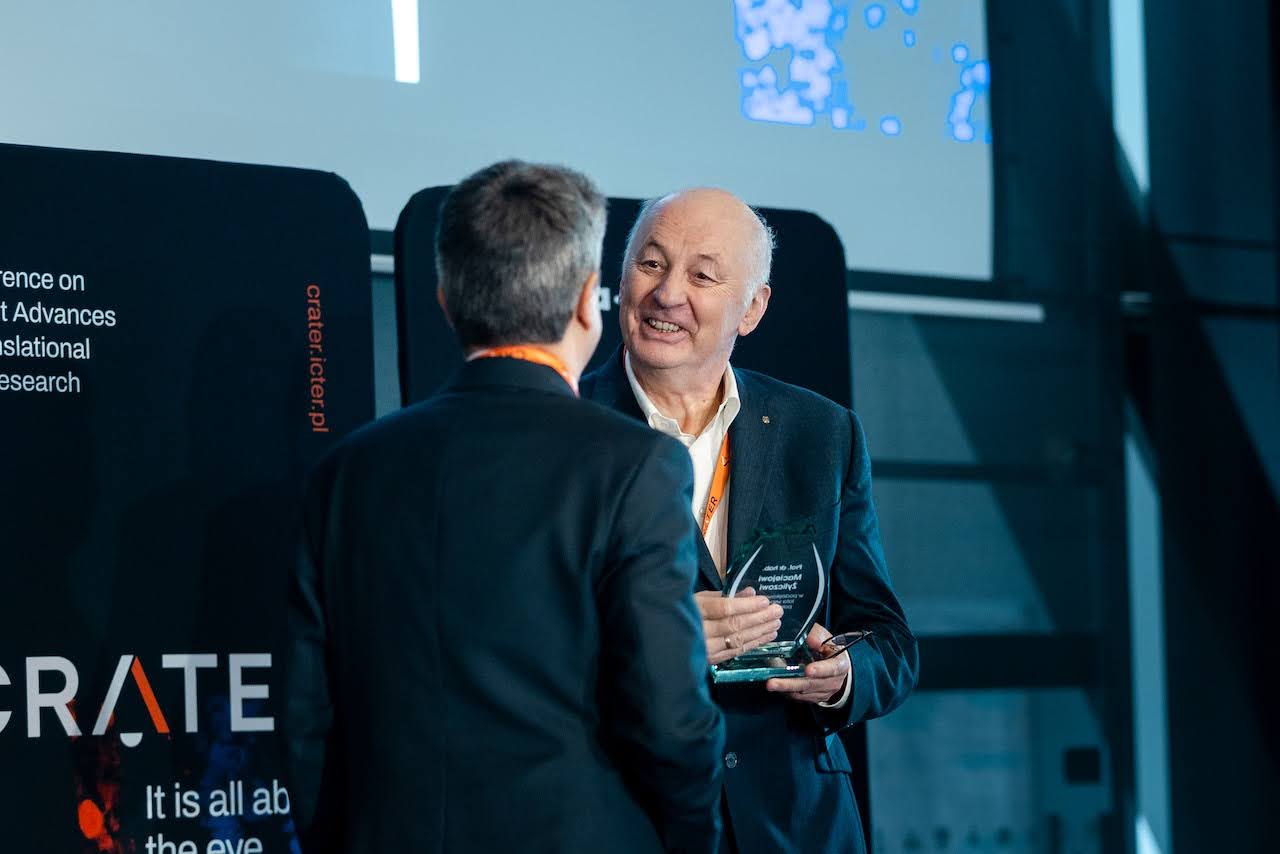
From left: Prof. M. Wojtkowski and Prof. M. Żylicz.
Inauguration of the new ICTER research group: PICO
The second day of the conference saw the announcement of the establishment of a new research group within ICTER - PICO (Parallel Interferometry and Computational Optics), whose leader will be Dr. hab. Dawid Borycki. PICO will develop advanced eye and brain imaging technologies, combining photonics with data processing to accelerate the clinical translation of modern diagnostic methods and improve the quality of patient care. The team will develop an integrated platform for analyzing data from various imaging techniques and sensors, combining, among others, spatio-temporal optical coherence tomography (STOC-T), optoretinography (ORG) and near-infrared interferometric spectroscopy (πNIRS), to better understand the transmission of visual signals from the retina to the cerebral cortex. The announcement was made jointly by Prof. Olaf Strauss, Chair of the ICTER International Scientific Committee, and Prof. Maciej Wojtkowski, emphasizing that the creation of the PICO group is another step in the development of the centre's strategy, combining scientific excellence with the translational dimension. In his speech, Prof. Strauss pointed out that PICO's activities will strengthen Poland's position in the field of biomedical photonics and accelerate the clinical applications of eye imaging technology.
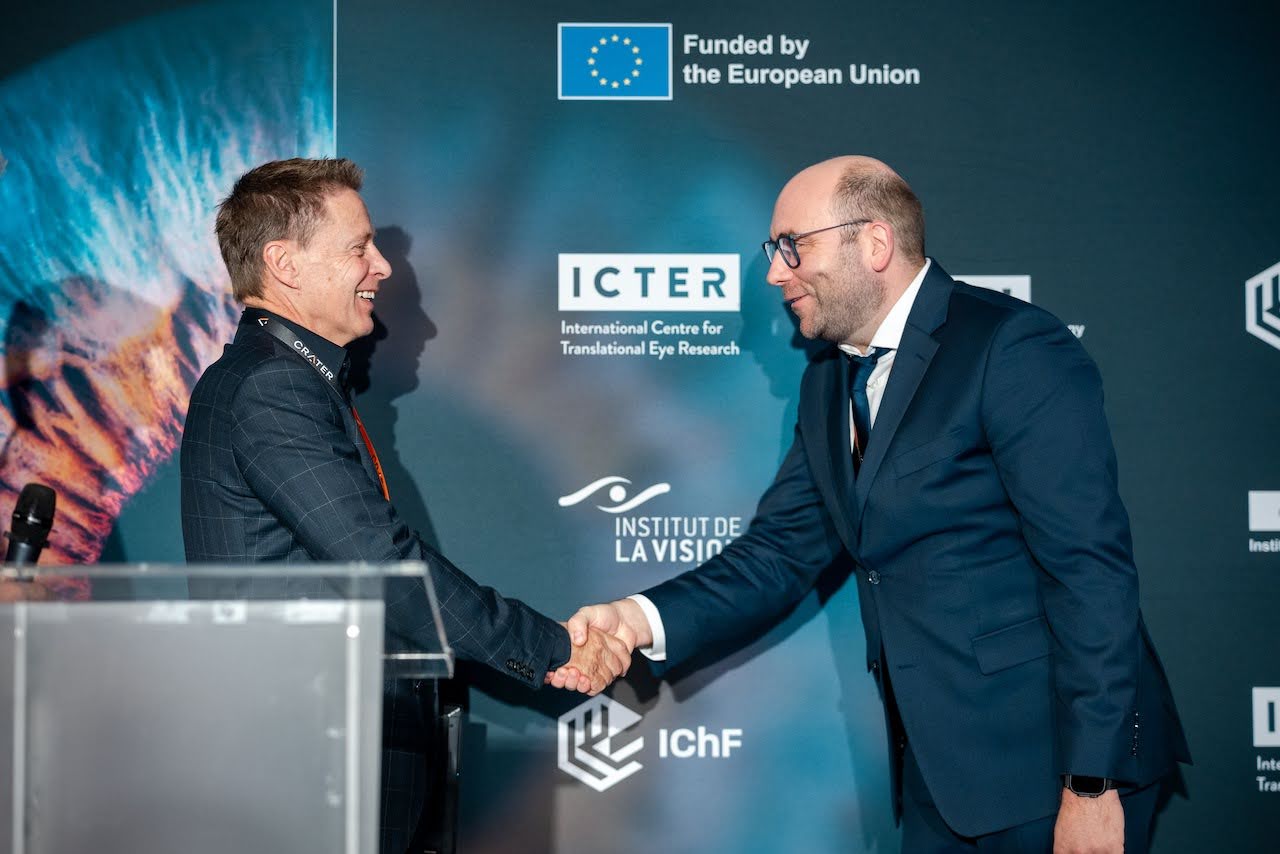
From left: Prof. O. Strauss and Dr. hab. D. Borycki.
On announcing the establishment of the PICO group, its leader, Dr. hab. Dawid Borycki, outlined:
"I am very happy that a new research group dealing with parallel optics, parallel interferometry and computational optics has been established at ICTER. Our mission is very simple: we want to use light and computing power to create new solutions for imaging the structure and function of the eye, as well as for monitoring blood flow in the brain. There are three cornerstones to our activities. The first is to create a platform for collecting and exchanging data – both imaging and functional. The second involves developing methods for fast, non-invasive, high-resolution imaging of the eye, in particular based on the STOC-T technique. The third foundation focuses on monitoring brain function using light. All three areas share a common technological base – ultra-fast tuned laser equipment and parallel interferometry. I am very happy and excited to have reached this stage in my scientific career. I would like to sincerely thank all my colleagues and collaborators who made the creation of the PICO group possible.”
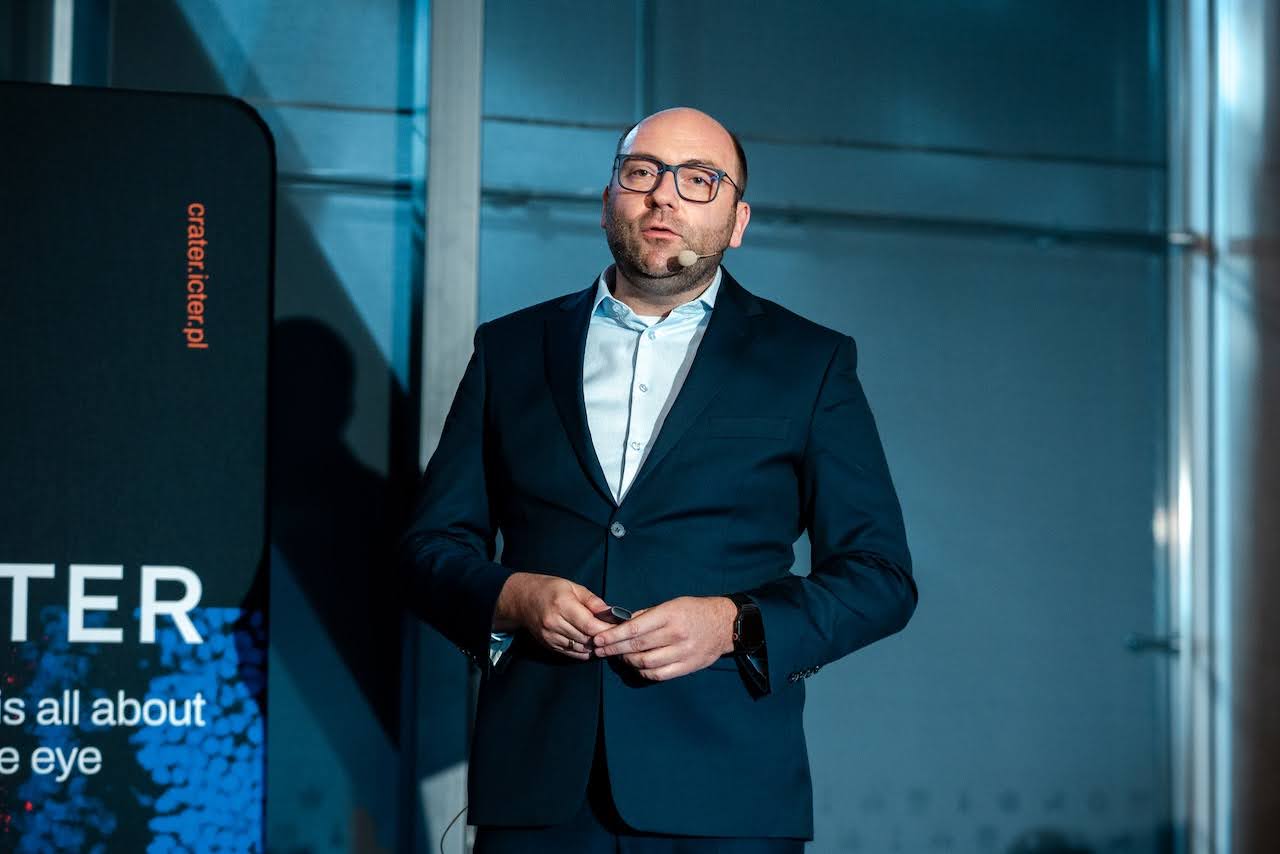
Dr. hab. D. Borycki.
25th anniversary of optical tomography and a tribute to Prof. Andrzej Kowalczyk
This year's CRATER 2.0 conference was also of a special celebratory nature – it marked the 25th anniversary of the groundbreaking introduction of three-dimensional imaging of the retina using Fourier Domain Optical Coherence Tomography (FD-OCT), which ushered in a new era in the diagnosis of eye diseases. It was in Poland, at the Nicolaus Copernicus University in Toruń, that the first systems based on this technology were developed, revolutionizing ophthalmology around the world.
During a special anniversary session on the third day of the conference, Prof. Maciej Wojtkowski honored Prof. Andrzej Kowalczyk for his pioneering contribution to the development of optical imaging in Poland. In his speech, Prof. Wojtkowski emphasized that it was Prof. Kowalczyk who had created a research environment in which spectral optical tomography technology could be developed – a breakthrough in the diagnosis of eye diseases and a milestone in modern ophthalmology. Prof. Kowalczyk's openness to interdisciplinarity and trust in young scientists enabled the development of independent research, which today forms the foundation of ICTER's achievements. After the ceremonial presentation of the commemorative statuette, Prof. Kowalczyk expressed his gratitude for the award, recalling the beginnings of their joint research work. This moment, linking the history of Polish optical research with its clinical applications, gave the conference a unique, intergenerational character.
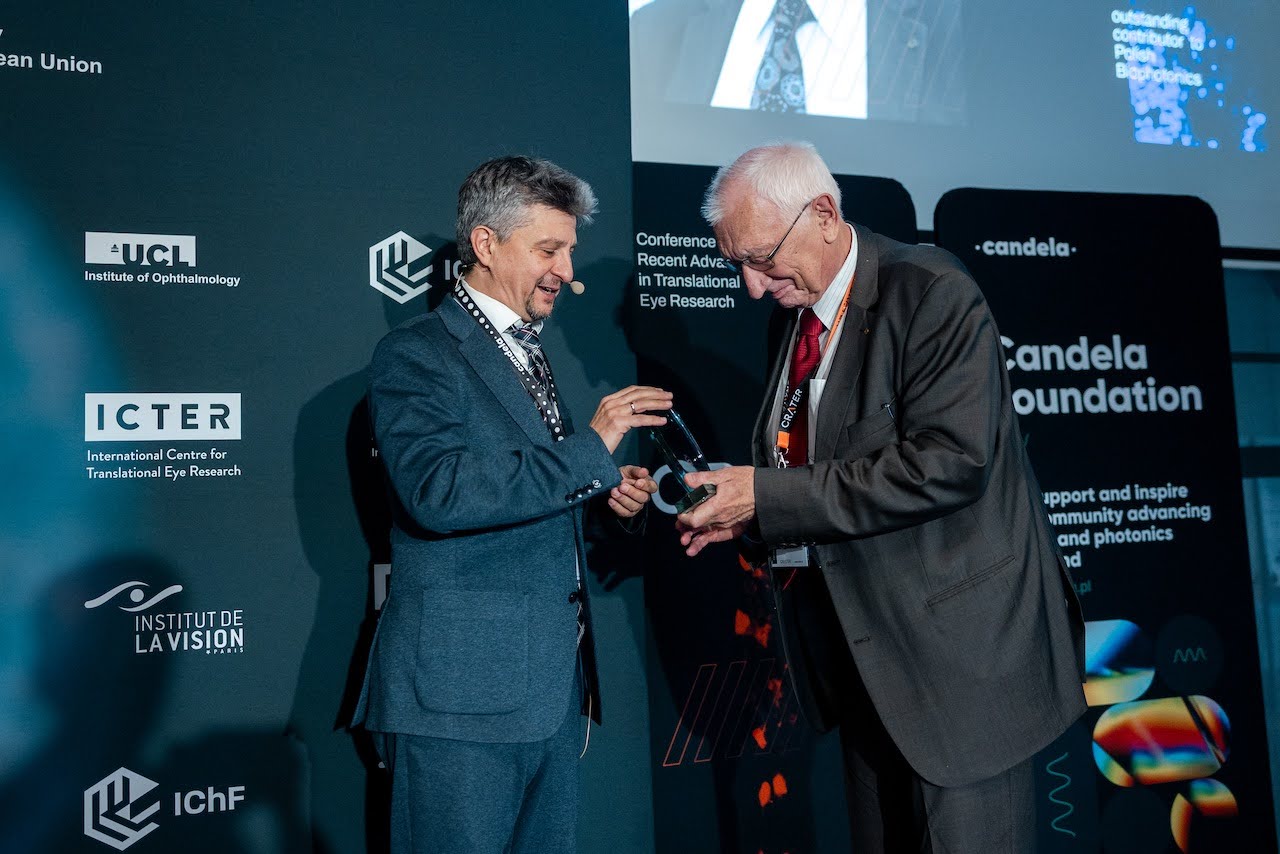
From left: Prof. M. Wojtkowski and Prof. A. Kowalczyk.
A special highlight of the anniversary celebrations, and at the same time a gesture towards the public, was the premiere of a children's book entitled ‘Oczulęta’ [‘Peepers’] by Tomasz Samojlik, prepared in cooperation with ICTER to mark the 25th anniversary of optical tomography. For more information about this publication, please visit the ICTER website: https://icter.pl/oczuleta-educational-book-tomasz-samojlik/.
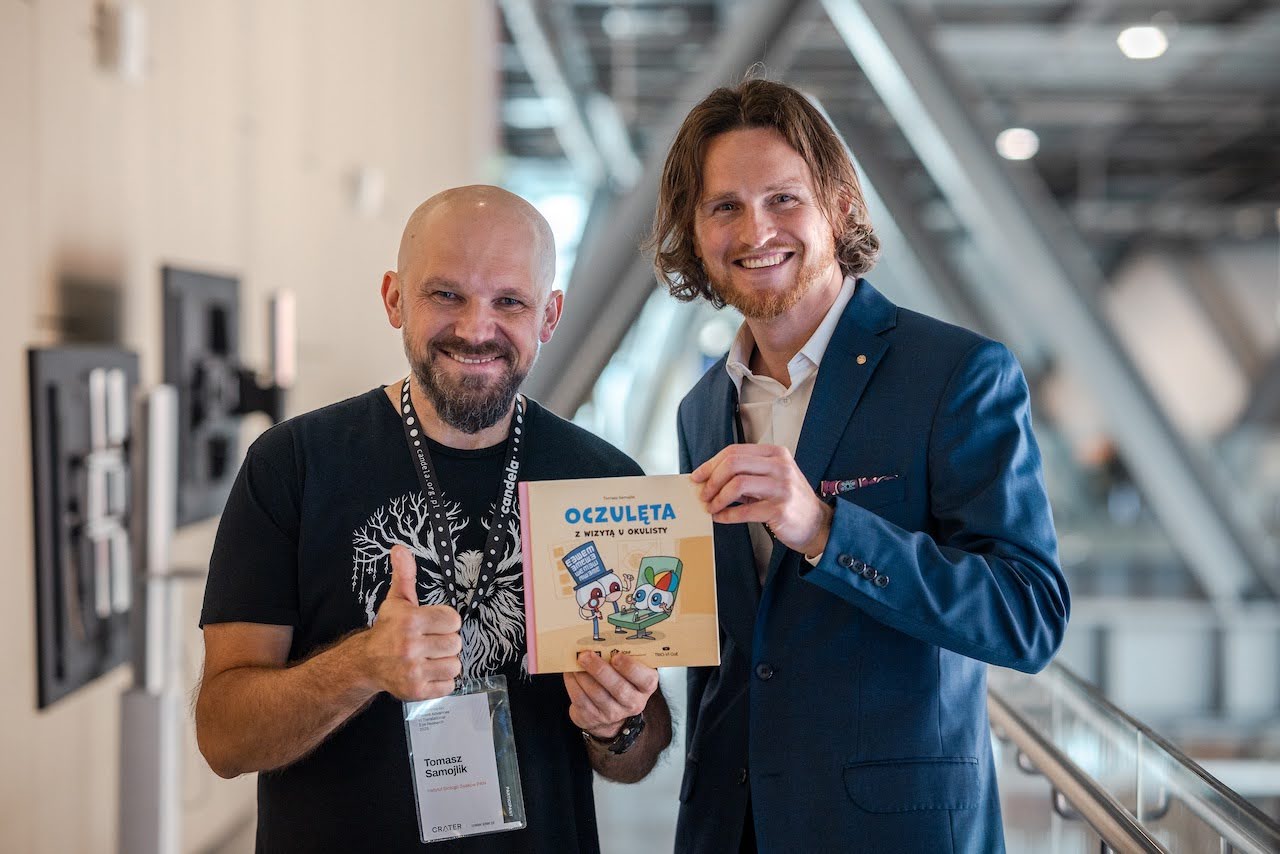
From left: T. Samojlik and M. Woliński.
Main research topics of the conference
CRATER 2.0 was not only a venue for presenting research of the highest scientific standard, but also a space for cooperation, inspiration and the creation of new partnerships. The program covered a wide range of topics related to contemporary translational research on vision and eye diseases. Plenary lectures and thematic sessions presented the latest advances in cell and gene therapy for macular degeneration, adaptive and functional imaging of the retina, and the use of artificial intelligence and machine learning in the analysis of ophthalmic images. There were also detailed discussions on the development of new fluorescent biosensors, the use of retinal autofluorescence as a metabolic marker, digital health technologies supporting oculomics, platforms for discovering peptides that correct abnormal protein folding, and advances in experimental optoretinography, which enables the assessment of photoreceptor function and vision processes in vivo. Particular attention was paid to the development and future of optical coherence tomography (OCT) – from corneal imaging using mechanical contrast and molecular techniques (immuno-OCT), through fast data acquisition systems and computational image reconstruction methods, to ptychographic microscopy and solutions based on time-space spectroscopy (STOC-T). Presentations, discussions and poster sessions highlighted the importance of integrating photonics, molecular biology, biomedical engineering and clinical practice in the development of new diagnostic and therapeutic tools used in ophthalmology. Many presentations also dealt with the neurobiology of vision, genomics and ophthalmic bioinformatics, robotics in eye surgery, and two-photon imaging and visual perception methods, confirming the dynamic development of the field of translational eye research.
.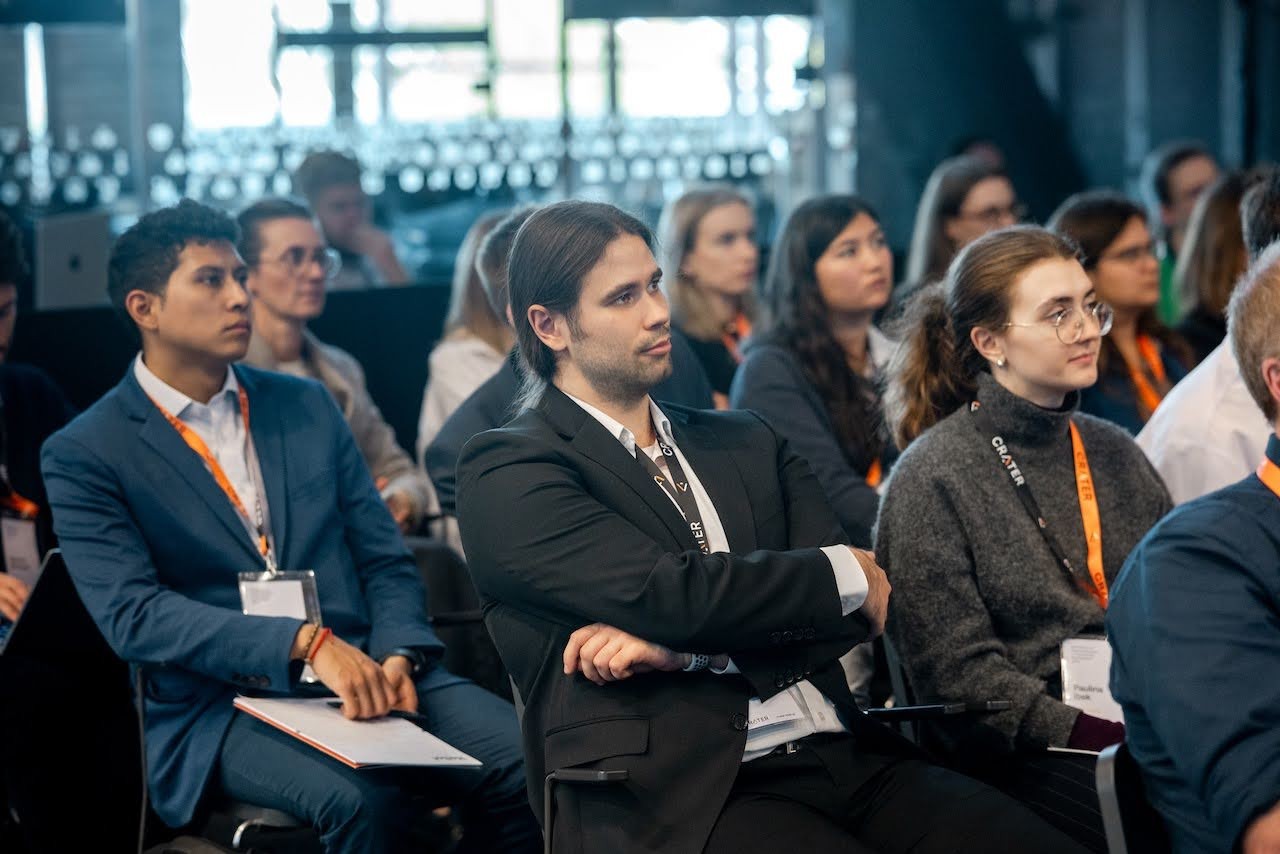
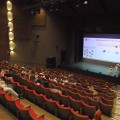
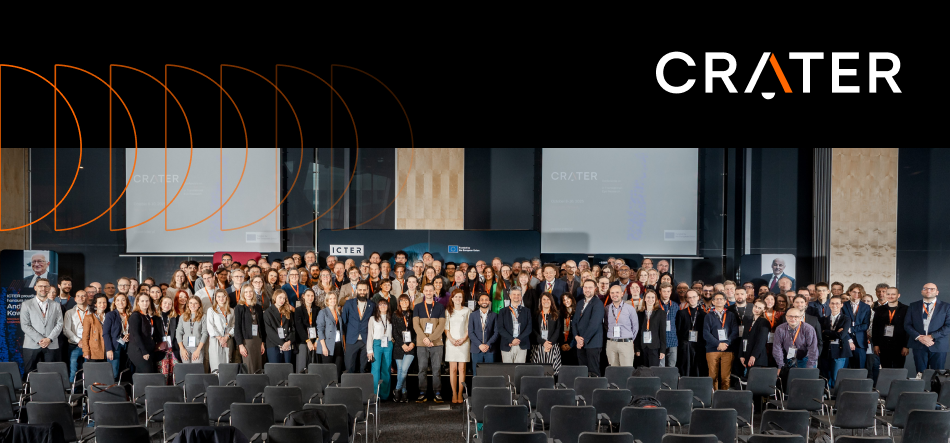
Some of the conference participants.
Below are interviews with the guests of honor and special participants of the conference, conducted during the event.
ICTER shows that science in Poland can really change people’s lives
The ICTER Centre of Excellence, operating within the structures of the Institute of Physical Chemistry, Polish Academy of Sciences, shows how Polish science can translate into real solutions for patient health and economic development. Prof. Dr. hab. Krzysztof Pyrć, President of the Board of the Foundation for Polish Science, talks about the importance of ICTER and the CRATER 2.0 conference.
What is Poland's contribution, and in particular that of ICTER, to the development of modern diagnostics and the treatment of eye diseases?
Looking at the results of ICTER's activities to date, it is clear that this is a centre with not only national but also global reach. The solutions developed translate not only into points, publications or simulated activities, but above all have a real impact on patients' health. What’s more, the centre's potential contribution to the development of the Polish economy is becoming increasingly obvious. I am extremely proud that the Foundation for Polish Science decided to collaborate with Professor Wojtkowski over five years ago. This has turned out to be a great success – he creates solutions and ideas that change our world and revolutionize the lives of people with vision problems.
What do events such as CRATER 2.0 say about the current state and maturity of Polish science – and how it can influence the world?
CRATER 2.0 is a conference that brings together, in Warsaw - the very centre of Poland, outstanding scientists from around the whole world. Fortunately, the model according to which we are the ones who have to travel is changing; it turns out that Poland and the appropriate people here at home can make our country a magnet for the most outstanding scientists and specialists from across the globe. It is extremely important to clearly show that Poland can function as a centre of the world and is not doomed to be a suburb. It should be emphasized that Polish scientists are conducting research that is groundbreaking on a global scale. This is of great importance for Polish science, the Polish economy and Polish society.
Popularizing science is one thing, but Professor Wojtkowski, the ICTER centre and the research presented at this conference show that science is not just about hermetic activities carried out in laboratories isolated from the world. Science is also about reaching out to people, bringing about real change in our well-being, improving health, safety and the state of the economy. Although popularization is important, it is even more important to show how science actually changes our lives. For visually impaired or blind people, the work of the ICTER team, or as they call themselves, ICTERians, can completely change their everyday lives. It is living proof that science is an integral part of our world – it helps us function better and live better.
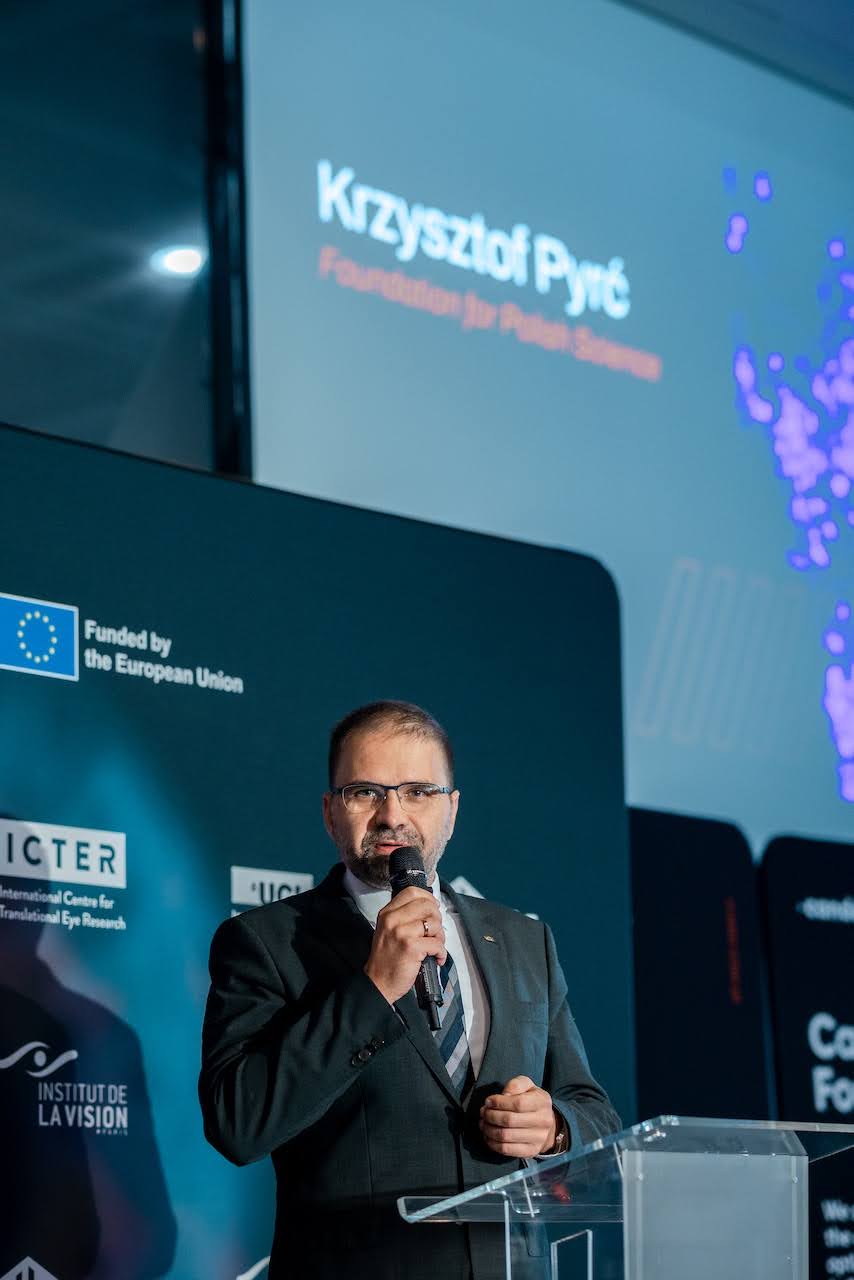
Prof. Dr. hab. K. Pyrć.
Three decades of progress in eye imaging
Prof. Dr. hab. Maciej Żylicz, President of the Foundation for Polish Science in 2005–2025, talks about the significance of the anniversary of FD-OCT technology and the role of interdisciplinary research in the development of modern eye diagnostics.
From your perspective, how much has the approach to eye imaging changed since the introduction of OCT technology to modern solutions?
If we look at how technologies for observing the retina and diagnosing pathological conditions have developed, we must remember that thirty years ago, the emergence of OCT technology was a huge breakthrough. Today's meeting is, in a sense, a celebration of this progress.
Of course, thirty years have passed, and as the president of the Foundation, I have played an indirect role in this development by providing financial support for the research. Having worked in science for the last two decades, I must say that these technologies have developed in an impressive way.
For example, the method currently being developed by Professor Maciej Wojtkowski, based on two-photon absorption in the cis-trans retinal system (or other photopigments in the retina), is of great importance. Firstly, it delivers significantly less energy to the eye than conventional solutions, and secondly, it allows the lifetimes of different fluorochromes to be distinguished, enabling a more precise, functional image of tissues to be obtained.
I am a great enthusiast of this concept, especially after the publication in the Proceedings of the National Academy of Sciences in 2020, in which Professor Wojtkowski and Professor Palczewski took a truly groundbreaking step towards understanding the processes occurring in the eye.
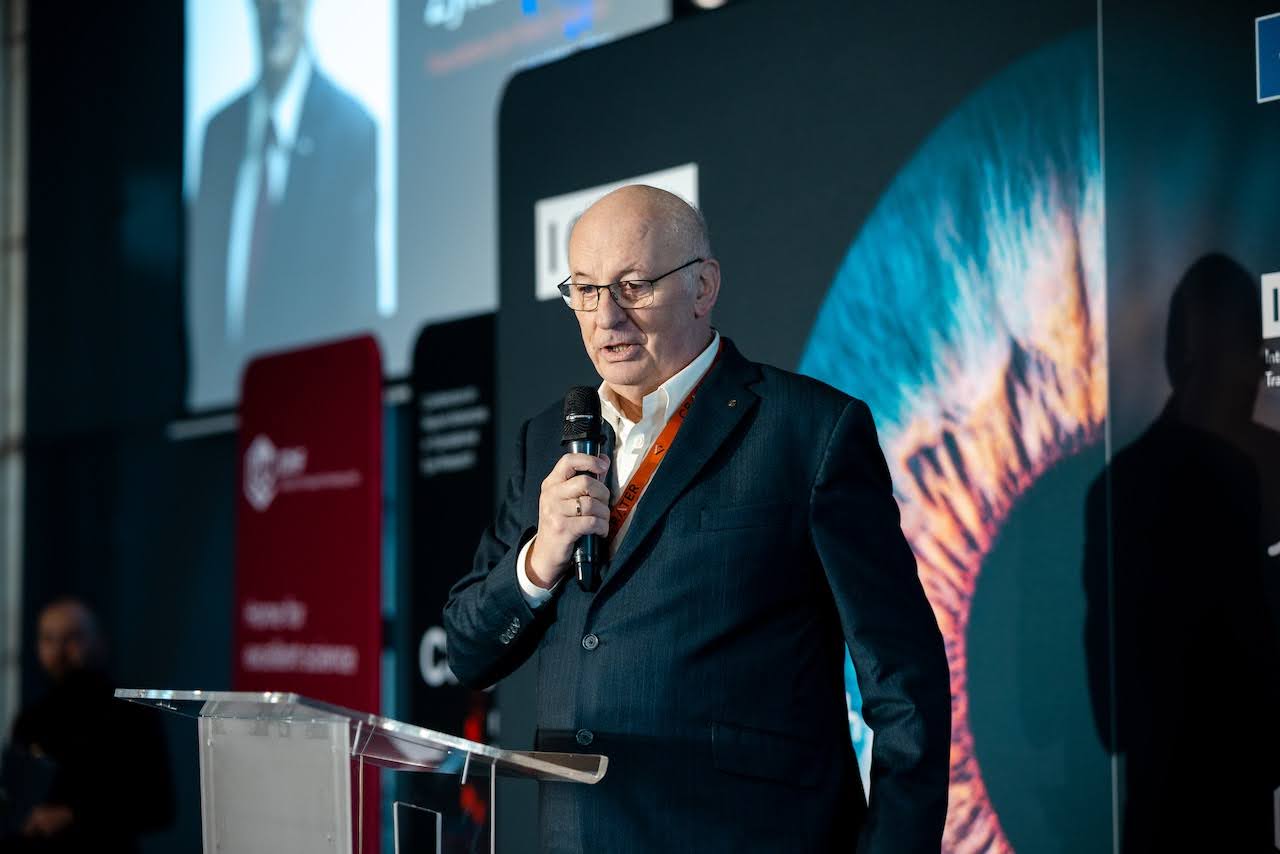
Prof. Dr. hab. M. Żylicz.
For good mentors, the greatest satisfaction comes from the success of their students
Prof. Dr. hab. Andrzej Kowalczyk, from the Faculty of Physics, Astronomy and Applied Computer Science at Nicolaus Copernicus University in Toruń, talks about the role of a scientific leader and the importance of investing in young researchers.
Professor, how do you feel receiving this award today for your contribution to the development of Fourier Domain OCT technology in Poland?
Twenty-five years have gone by, and technology has advanced tremendously. I feel great. Above all, during this conference, I have seen how much progress has been made in the use of OCT in ophthalmology. Since retiring, I have no longer followed developments in this field so closely, so everything I have seen today is new to me — and I must admit that I am very impressed.
What advice would you give to research group leaders — how to discover talent and create conditions in which it can flourish?
I think talent does not need to be motivated. Talent is self-motivated. The role of a leader is to invest in young people, even at your own expense.
I, for example, very rarely attended international conferences — I preferred to spend the modest funds we had on young people. They were the ones who attended these conferences, sometimes in groups of six or seven.
Today, I have students scattered all over the world, and the fact that they remember me is the greatest honor for me. I have always believed that a good teacher wants his students to be better than him. What really matters to me is the honors and awards my students have received — and it is this that I can boast about.
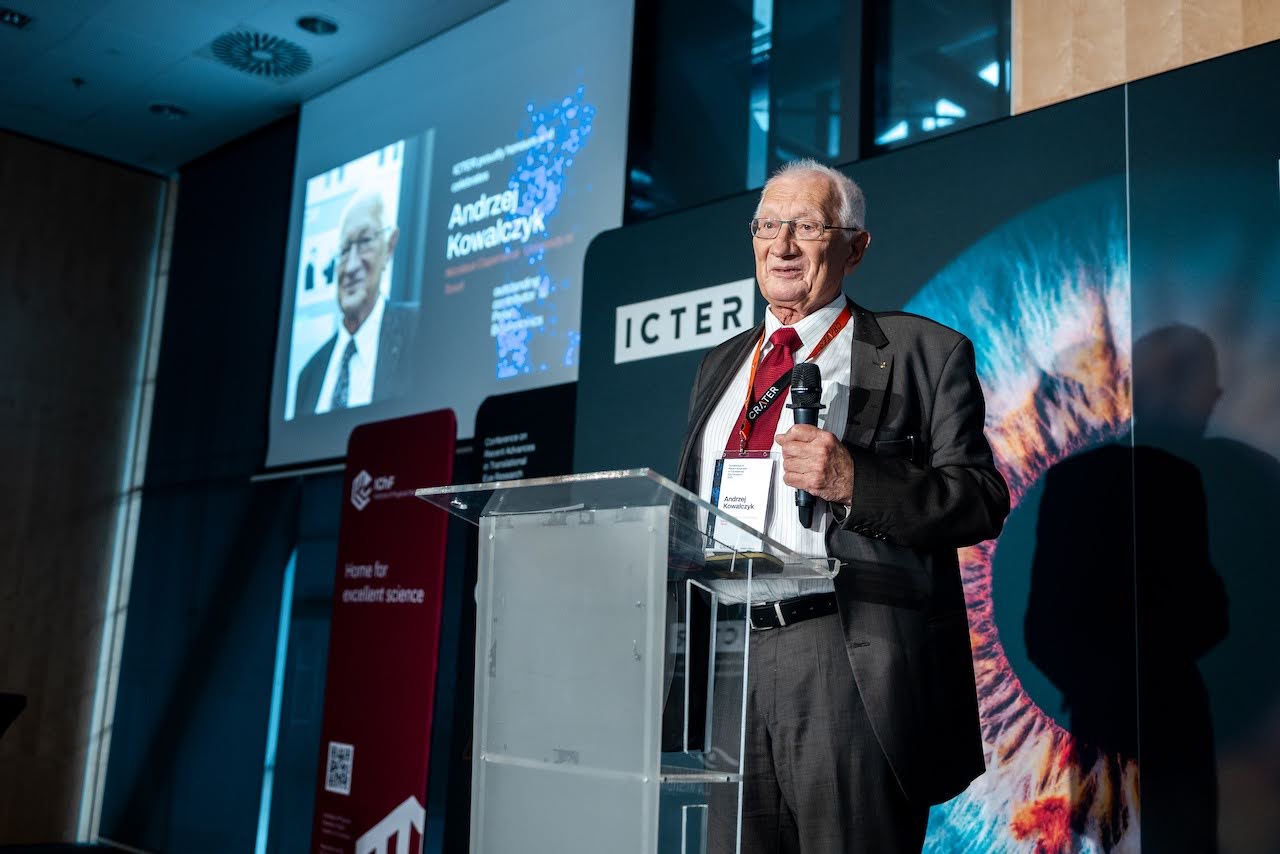
Prof. Dr. hab. A. Kowalczyk.
Mazovia at the heart of global vision research
Sylwia Sztark, Head of the Regional Innovation System Division in the Department of Regional Development and European Funds of the Marshal's Office of the Mazovian Voivodeship in Warsaw, speaks about the importance of CRATER 2.0 for the development of science, medical technologies and cooperation between science, business and society – and on the role of Mazovia as a regional leader in innovation.
For a few days, Warsaw became the centre of global vision science. On 8–10th October, 2025, the Copernicus Science Centre was the venue for the second meeting of CRATER – the Conference on Recent Advances in Translational Eye Research, considered one of the most important events in Central Europe dedicated to ophthalmological research. Mazovia had the honor of hosting this event, confirming its consistent commitment to the development of science, innovation and cross-sector cooperation. The CRATER conference provides a space for presenting the latest achievements in the field of ophthalmology and vision sciences, bringing together world-class researchers, clinicians and specialists from the medical technology industry, enabling the effective exchange of knowledge and experience between the scientific community and the modern health technology sector. One of the main objectives of the conference is to promote international standards of diagnostic and therapeutic procedures in the field of eye diseases. Thanks to presentations by experts from, among others, the United States and the United Kingdom, participants have the opportunity to learn about current guidelines and recommendations in the field of diagnostic imaging, gene therapy and the use of artificial intelligence in medical data analysis. The technologies and methods presented during the conference can significantly improve the quality of diagnosis and treatment of eye diseases in the Mazovian Voivodeship and throughout Poland. This will not only enable faster and more accurate diagnosis of eye diseases, but also provide access to modern therapies that can improve patients' quality of life. The presence of entrepreneurs, investors and representatives of the medtech industry is of particular importance, giving the event a practical and innovative dimension. The event facilitates direct dialogue between the creators of groundbreaking technologies and those who have the resources to bring them to the market, from biotech start-ups to large med-tech companies. As a result, the residents of Mazovia will have access to modern methods of diagnosis and treatment of eye diseases and the highest level of healthcare. The CRATER conference also plays an important role in popularizing science, bringing together the scientific community with practitioners, students and the general public. In this way, it raises public awareness of the importance of scientific research for eye health and promotes modern methods of diagnosis and treatment. From the perspective of the Mazovian Voivodeship, this event is another step in building an ecosystem of innovation in healthcare. We look to the future with hope, believing that cooperation with international partners within the CRATER conference will bring lasting results in the form of implementing modern solutions and improving the quality of healthcare both in Mazovia and throughout Poland.
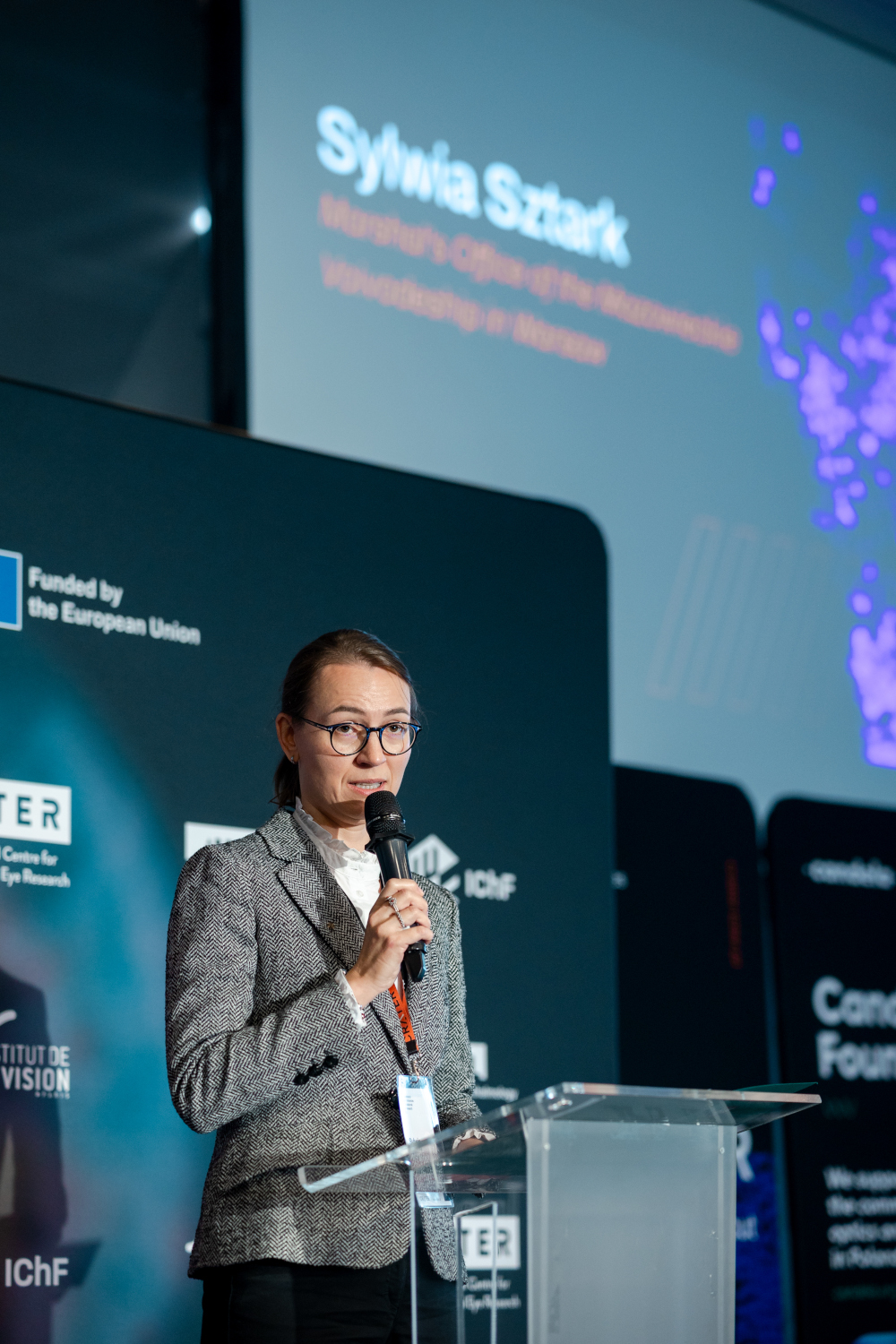
S. Sztark.
Europe invests in science – America still searching for balance
Europe is accelerating its development of vision research by investing in science, while in the US, researchers are increasingly struggling with a shortage of funds. Professor of Ophthalmology Richard Rosen, Director of Surgery and Head of the Retina Department at the New York Eye and Ear Infirmary of Mount Sinai, and Honorary Professor of Applied Optics at the University of Kent, talks about global trends in ophthalmology and why people, not systems, are the real driving force behind science.
How do you view the direction in which translational eye research is developing in Europe compared to the United States?
I collaborate with many scientists from Europe and regularly attend meetings on this continent, because there are so many exciting things happening here. I have colleagues in France, England, Austria, and also here in Poland, and I am always open to international cooperation. I believe that talent and good ideas can be found everywhere.
What fundamental differences do you see between the way vision research is conducted in Europe and in the United States?
I don't like generalizations, because science is created by individuals, not systems. Researchers who are open, willing to cooperate and exchange experiences can be found in all countries. It is these people who set the tone for the development of science – not bureaucracy or structures.
Do you nevertheless notice certain differences in the approach to conducting research?
Yes, definitely. In Europe, I see strong support from public institutions. In the United States, unfortunately, we are seeing the opposite trend – cuts in science funding, which is not conducive to development. In many areas, it is Europe and Asia that are currently setting the pace, while American scientists are facing increasing administrative and financial barriers.
In this context, how is your own research funded?
I use a combination of sources. I am primarily a clinician, and sometimes my patients want to support my research by making donations. I also apply for foundation grants and participate in projects funded by the NEI and NIH. It's a kind of mosaic of funding. To be honest, I will accept any support that allows me to carry out good science.
What is your perspective on the development of translational research in Poland and at ICTER in particular?
Professor Wojtkowski has done a tremendous job – what has been achieved at ICTER is very impressive. Much of what I do involves cooperation with technology and medical companies that develop new devices and diagnostic methods. I find it fascinating to see how innovative ideas from laboratories can be applied in clinical practice.
I am fortunate in that my position gives me a certain amount of flexibility– I can combine working with patients, teaching and research. Many of my colleagues do not have this opportunity, which is why I appreciate this balance between science and practice.
In your experience, how important is the ability to communicate the social and economic impact of scientific research today?
It is a key element in the development of science. Every new discovery or improvement in treatment methods has not only clinical but also social significance. It shows that with the right support and trust in science, we can really improve people's quality of life.
Today, I listened with interest to presentations on gene therapy and stem cells – areas which, in my opinion, will have a huge impact on the future of imaging and treatment of eye diseases
The development of optical coherence tomography (OCT) has completely transformed ophthalmology. When I began my clinical practice, doctors diagnosed patients almost exclusively on the basis of observation and experience. Today, we have precise tools that allow us to literally look inside the eye. This makes diagnosis faster and more accurate, and allows doctors to spend more time talking to patients. This is a huge change in the way medicine is practiced.
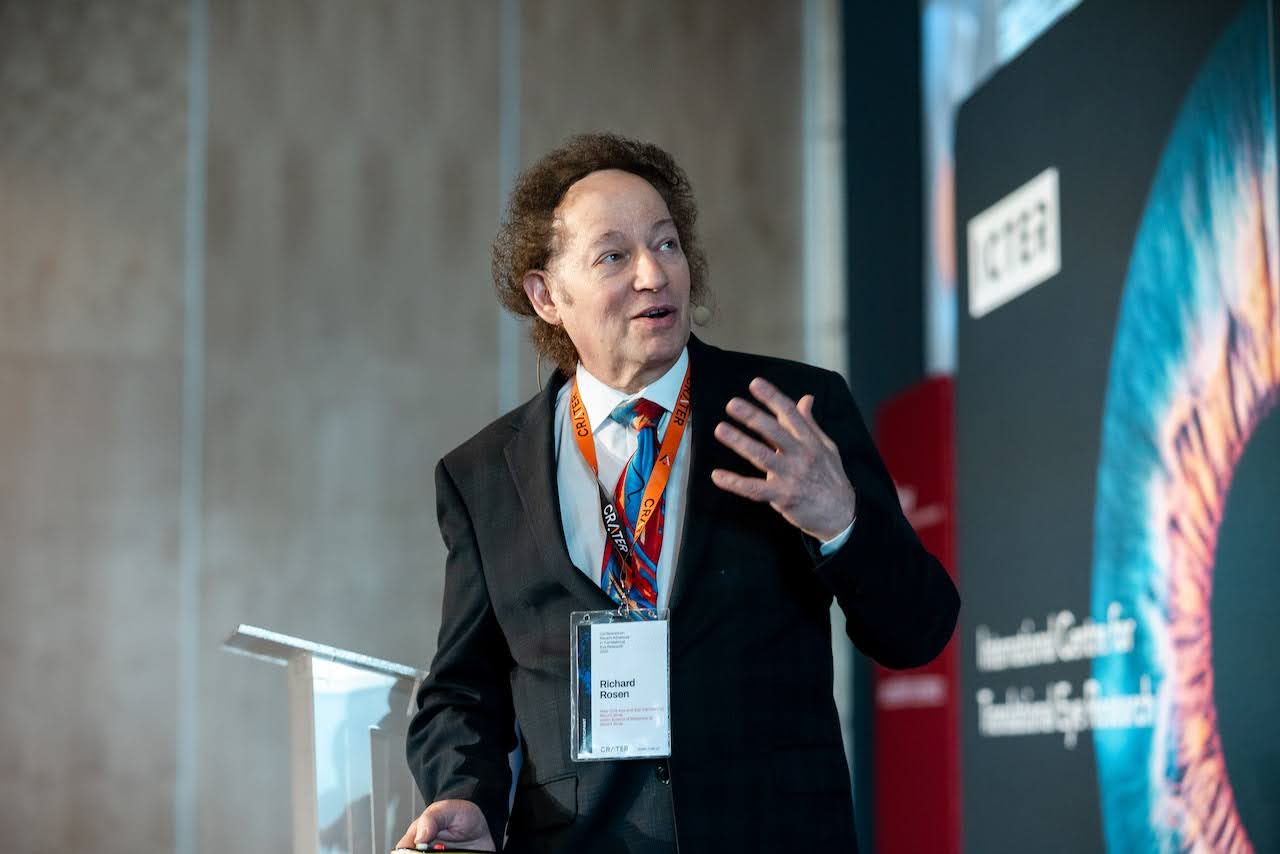
Prof. R. Rosen.
CRATER 2.0 conference website : https://crater.icter.pl/.
Text and interviews: Anna Przybyło-Józefowicz, IChF.
English translation: Anna Kłoś.
Photographs: Krzysztof Ścisło / ICTER (International Centre for Translational Eye Research).
- Author: Anna Przybyło-Józefowicz, IChF PAN
- Photo source: Krzysztof Ścisło / ICTER (International Centre for Translational Eye Research)
- Date: 17.11.2025