Meeting of the Scientific Council – awarding of degrees and resolution of the best publication of 2024 Competition
Reading time: about 6 minuts
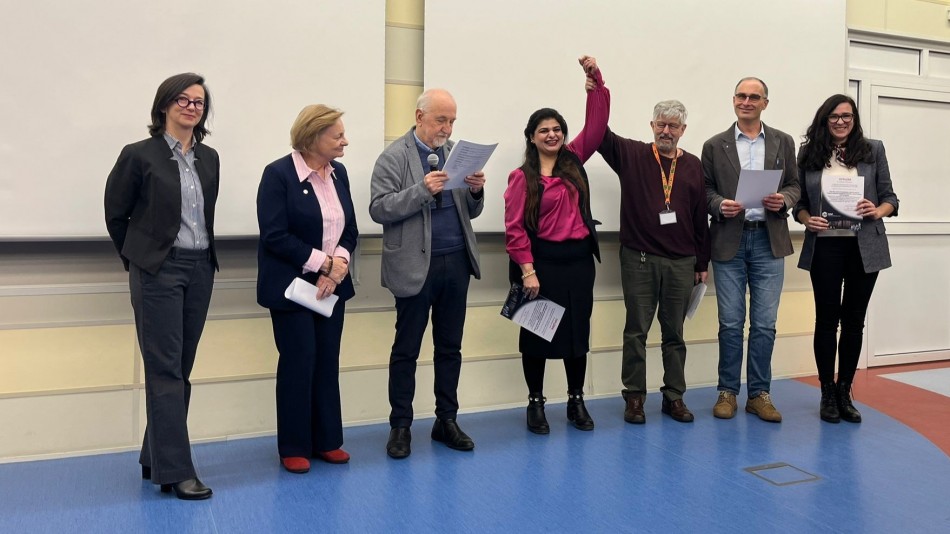
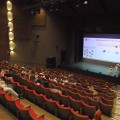
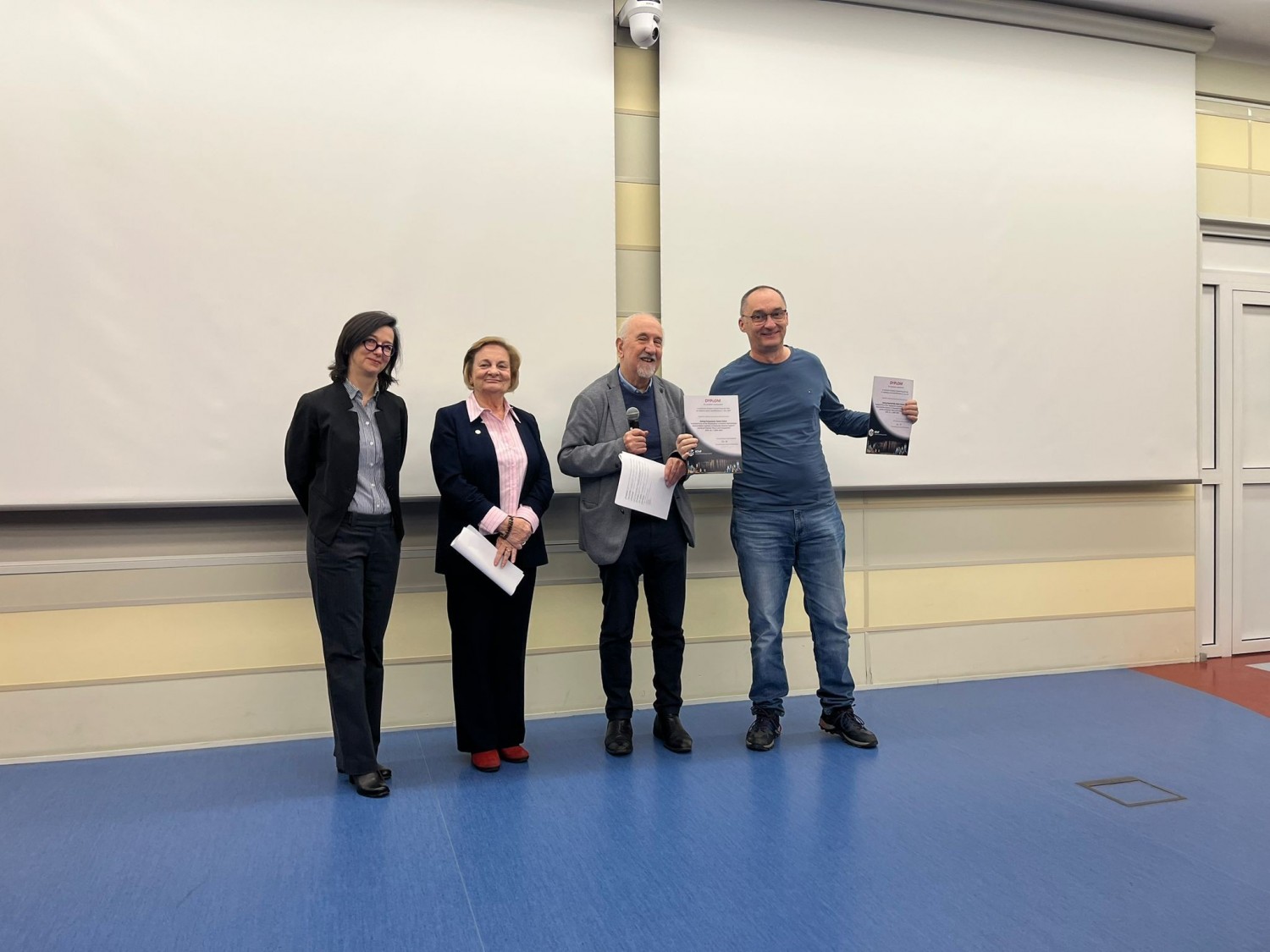
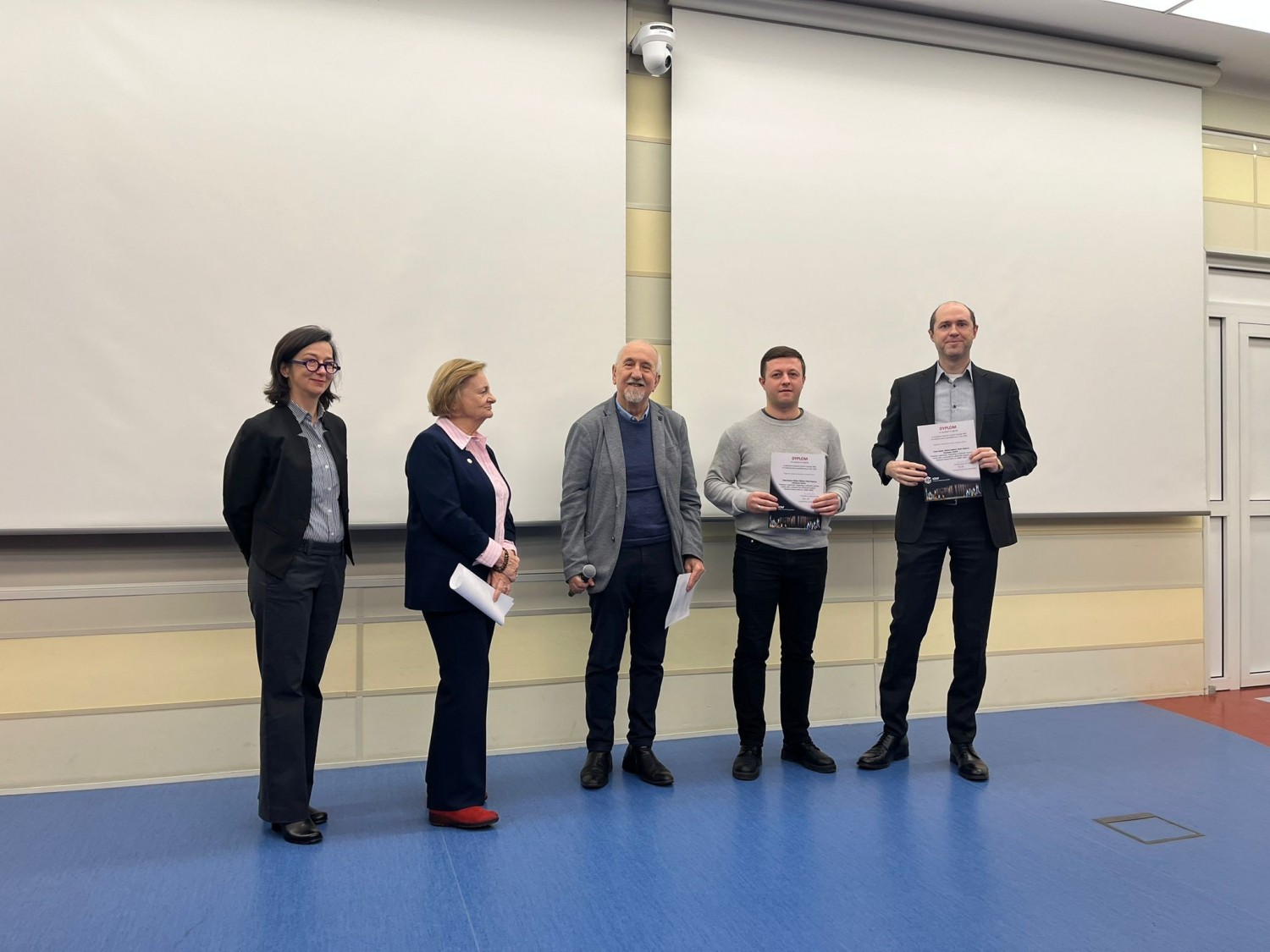
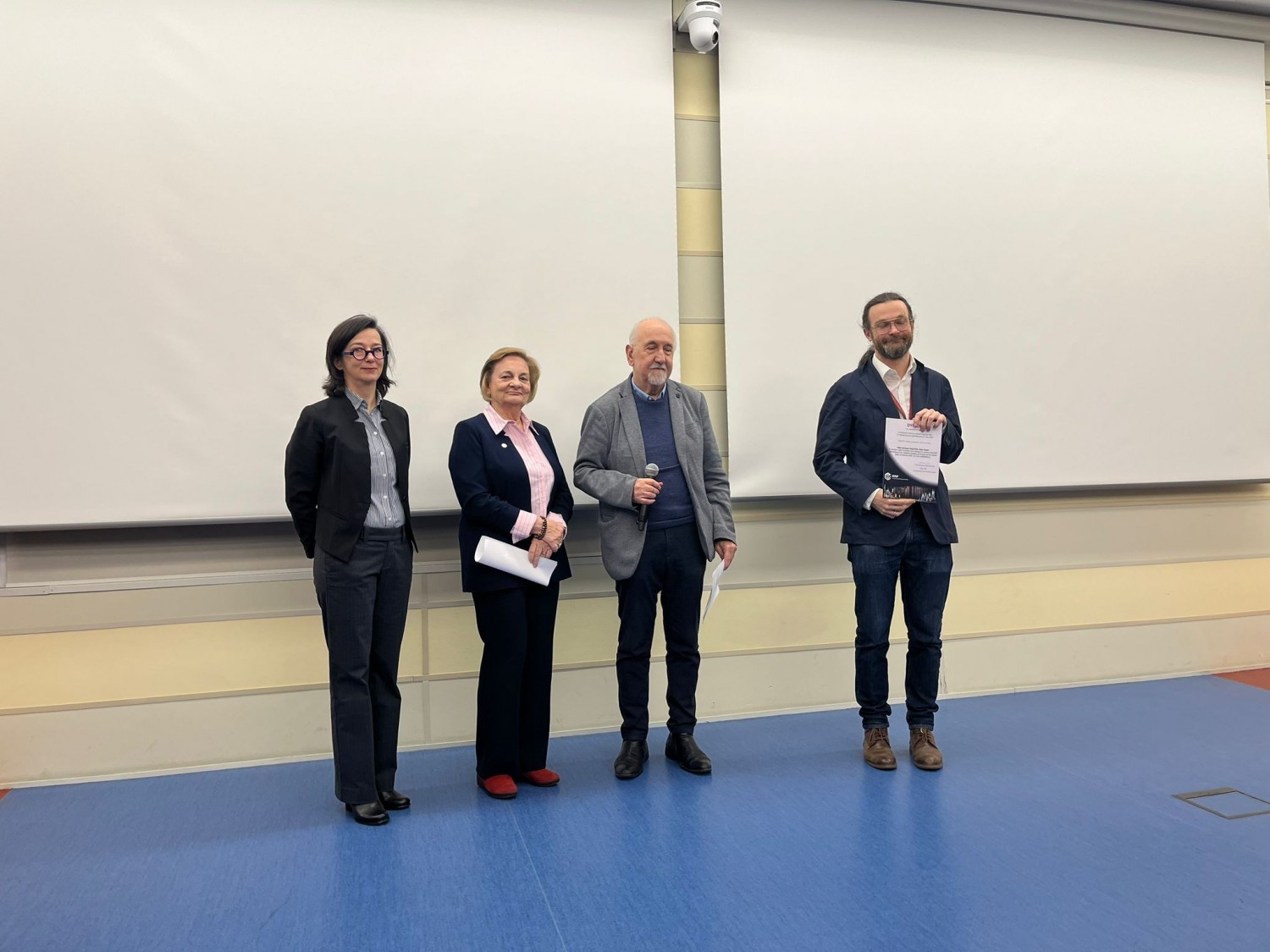
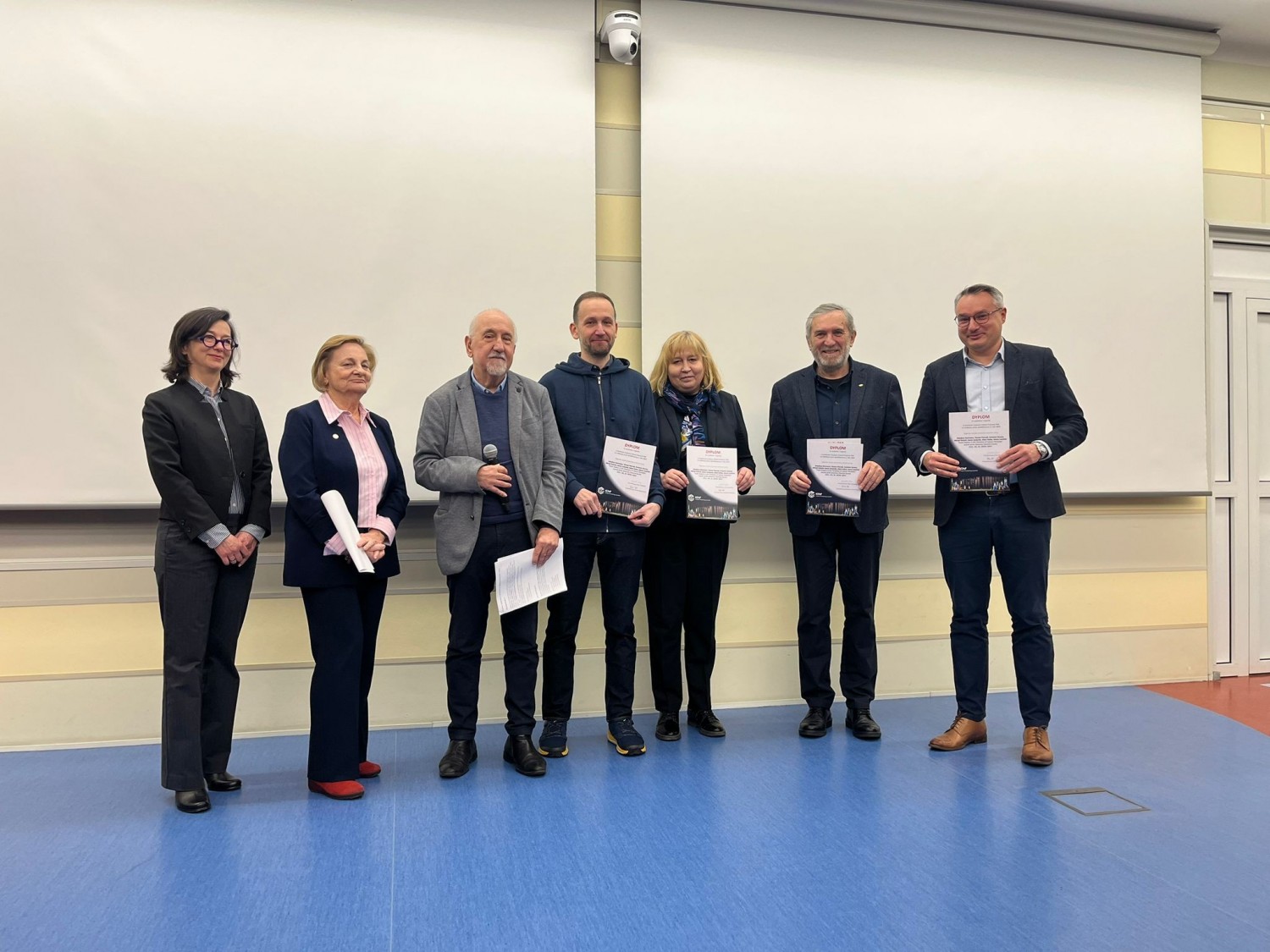
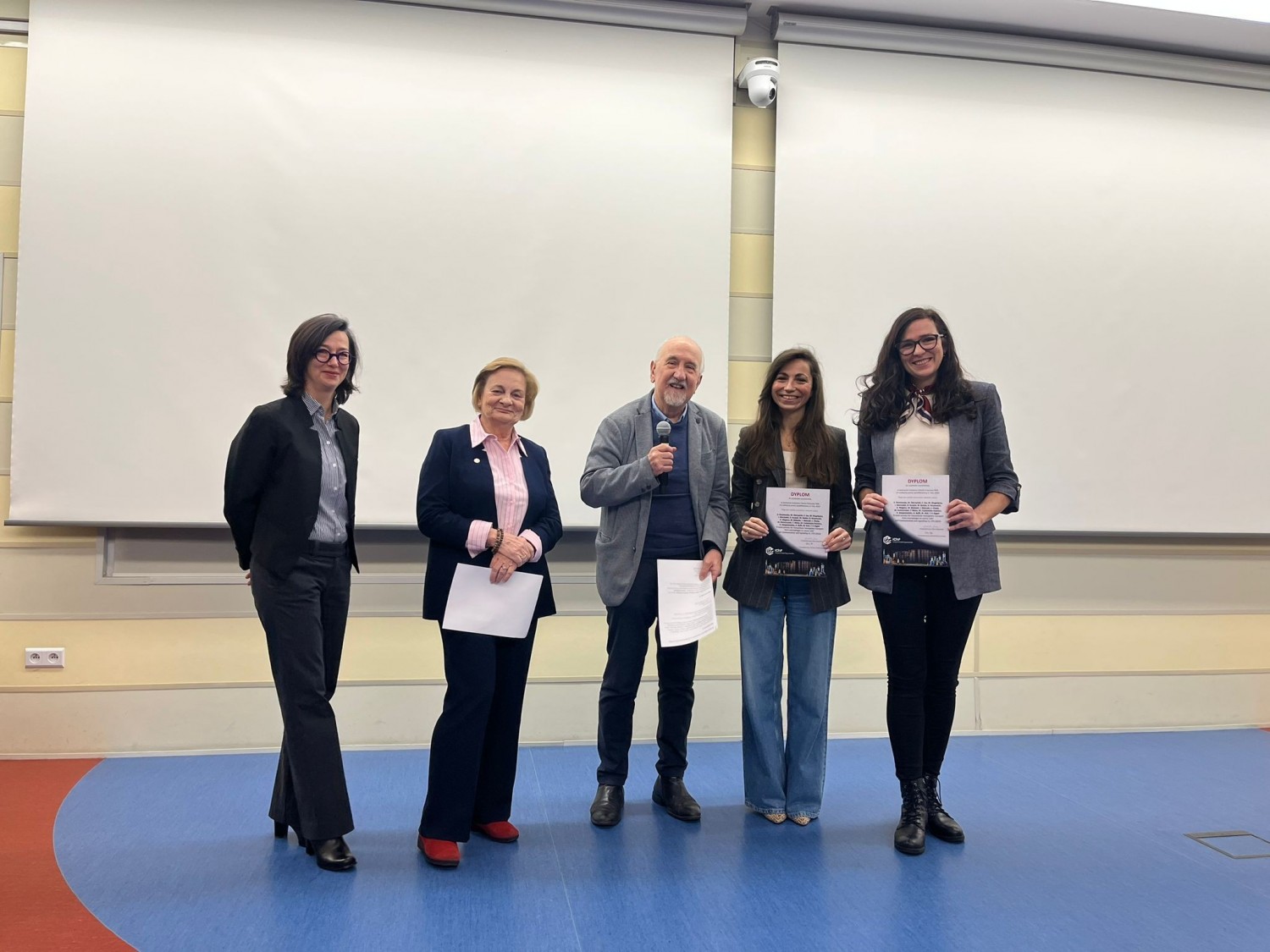
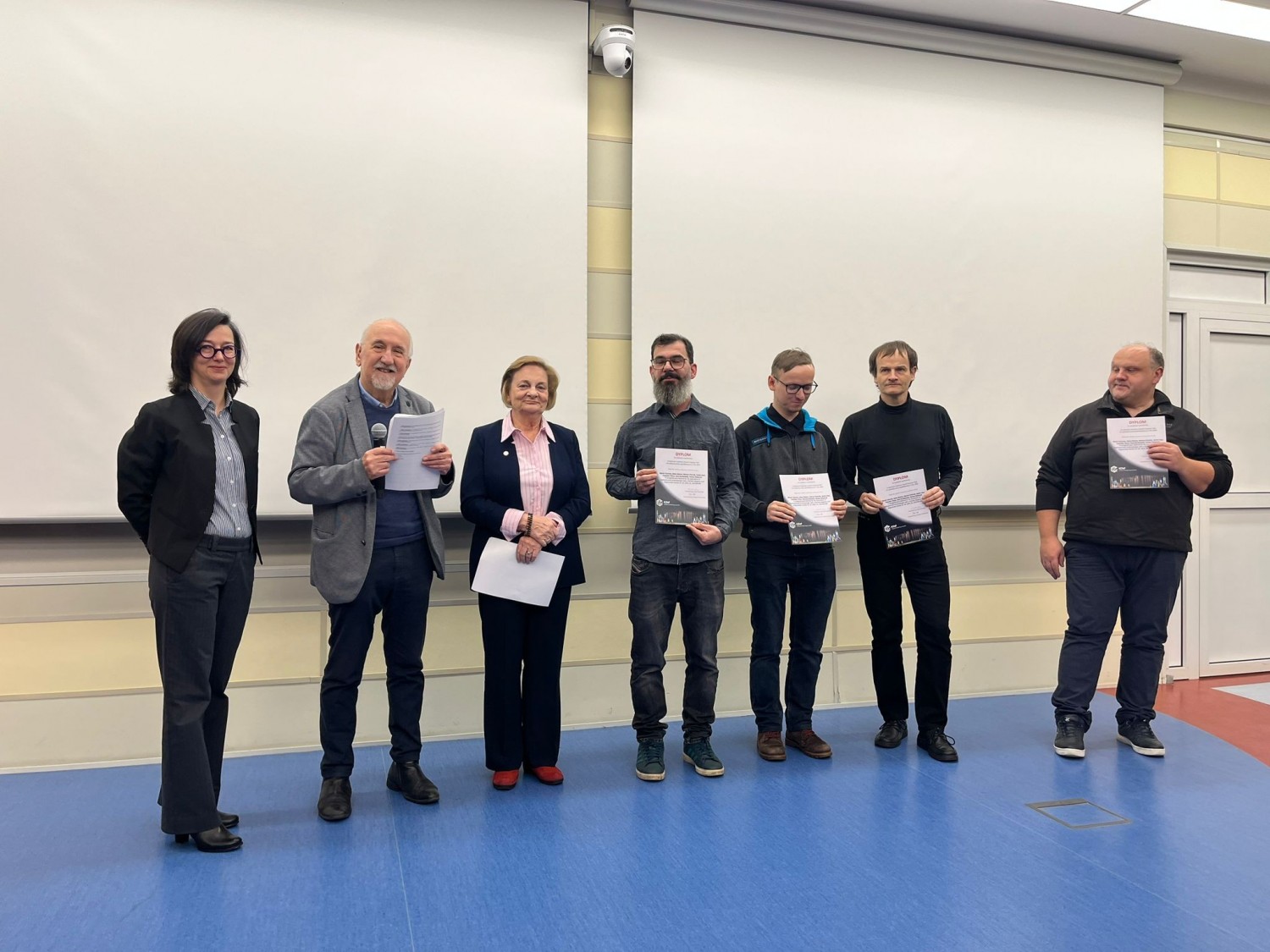
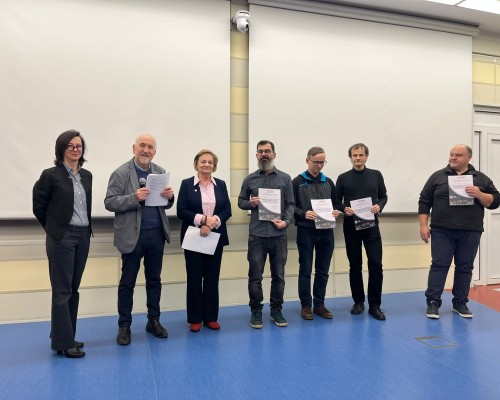
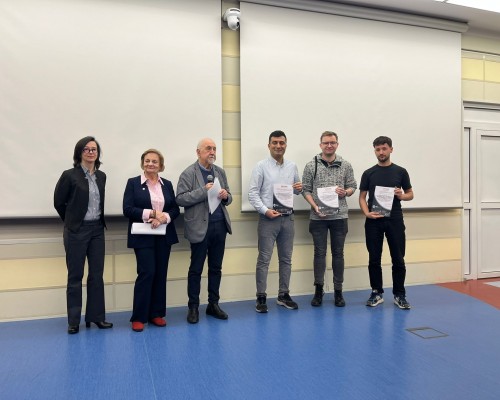
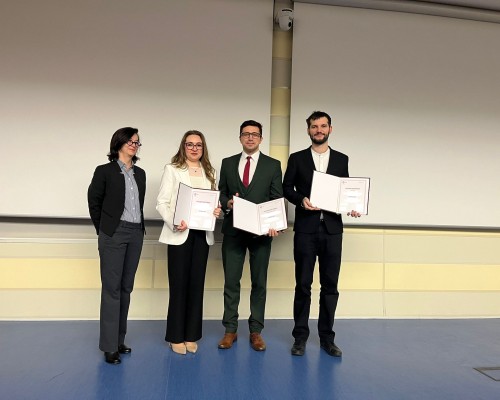
On December 8, 2025, the 328th meeting of the Scientific Council of the Institute of Physical Chemistry, Polish Academy of Sciences (IChF) was held. During the open session, a formal ceremony took place to confer doctoral and habilitated doctoral degrees, followed by the announcement of the results of the competition for the Best Scientific Publication by IChF researchers published in 2024.
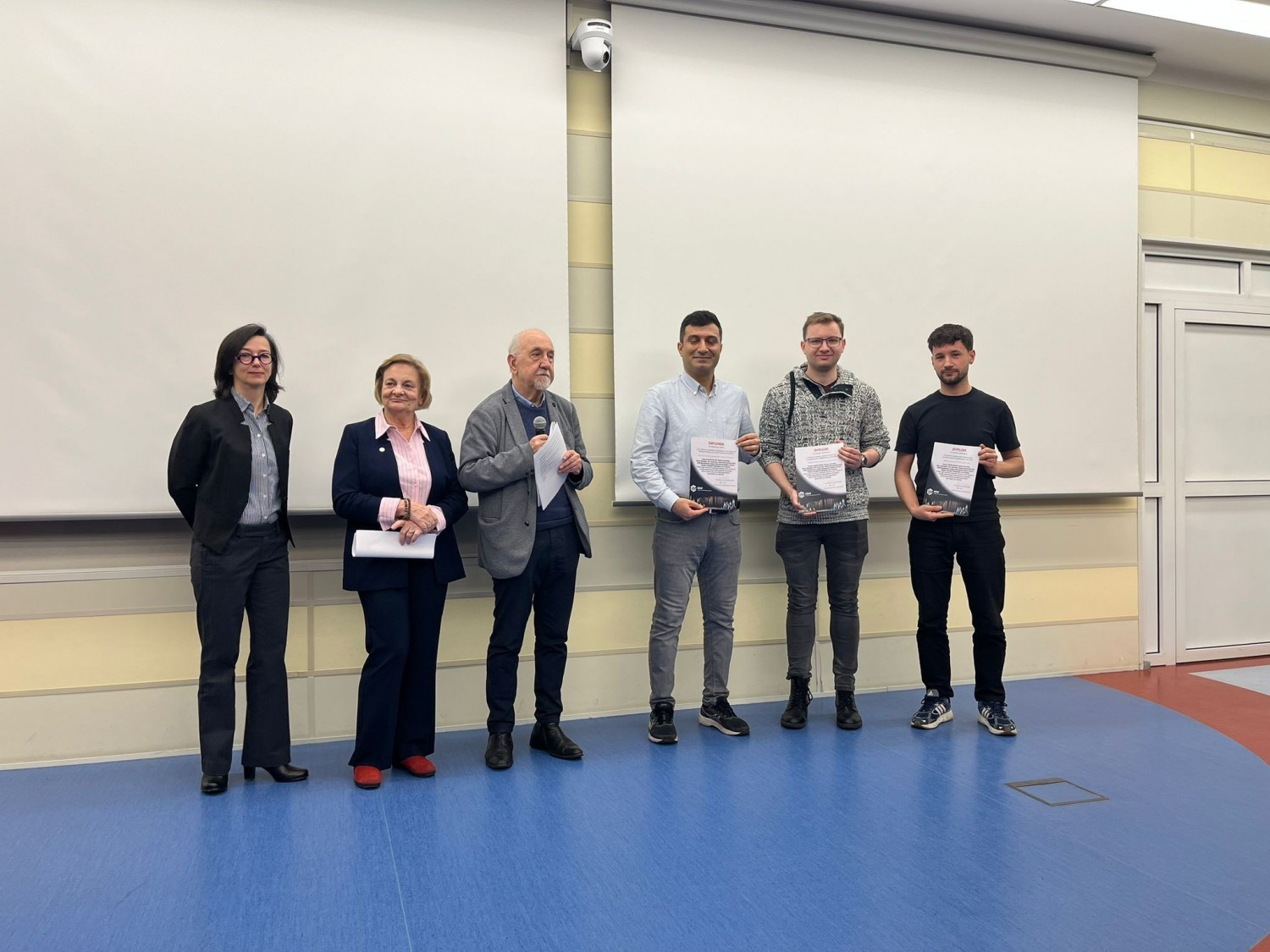
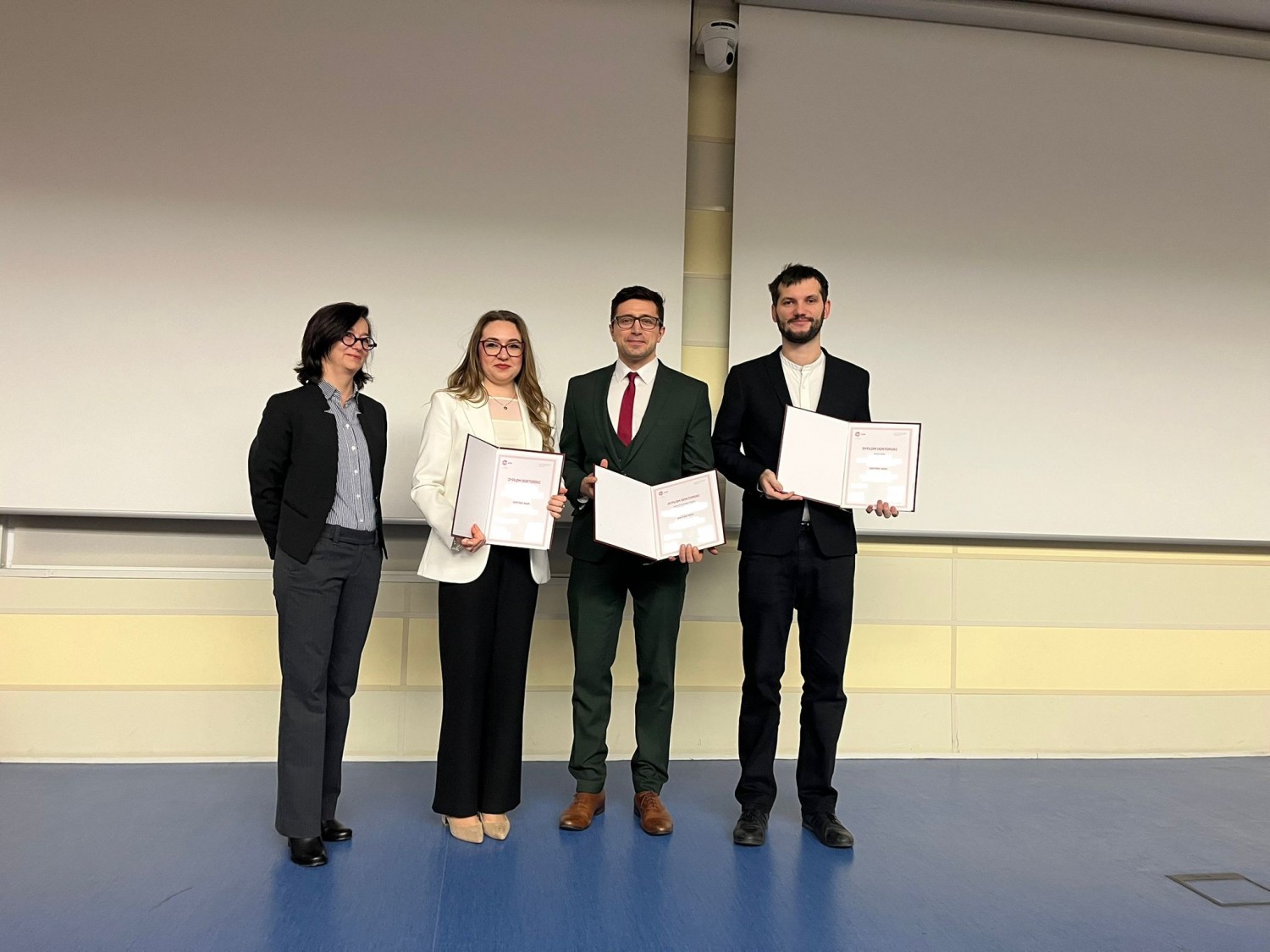
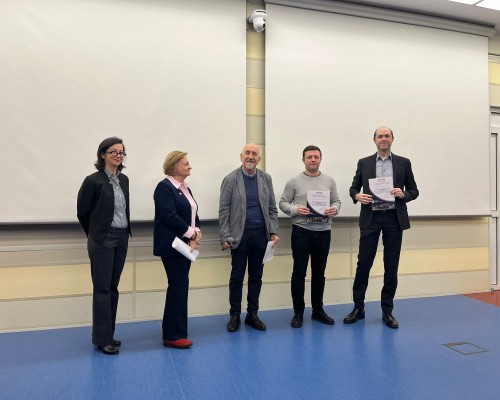
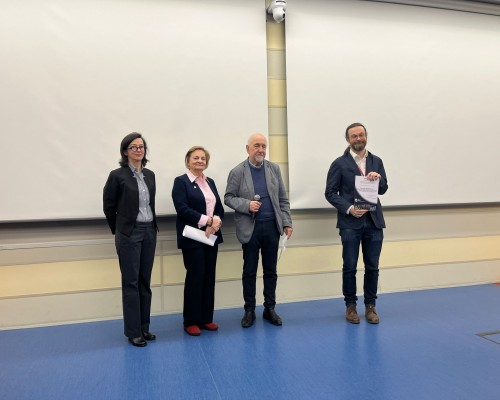
Doctoral diplomas were formally awarded to Sylwia Berus, Jakub Kałęcki, and Marcin Saski, who received official documents confirming the conferral of their academic degrees. It was also noted that during the concluding academic year, the doctoral degree was awarded to nine individuals, while one habilitated doctoral degree was conferred. In total, in 2025, the Scientific Council awarded sixteen doctoral degrees and one habilitated doctoral degree.
A key item on the agenda was the resolution of the competition for the Best Scientific Work of IChF, covering publications released in 2024. The Competition Committee convened in the following composition: Prof. Renata Bilewicz (Faculty of Chemistry, University of Warsaw), Prof. Adam Proń (Chair; Faculty of Chemistry, Warsaw University of Technology), and Prof. Leszek Sirko, Director of the Institute of Physics of the Polish Academy of Sciences. A total of 44 publications were submitted to the competition, meaning that only 18% of the submissions were given an award, reflecting a high level of competitiveness.
The Competition Committee emphasized the very high scientific quality of the submitted publications, their clearly interdisciplinary character, and the fact that the research topics pursued at the Institute align closely with current global research trends. The evaluated works demonstrated strong collaboration with both Polish and leading international research teams, frequently initiated by IChF researchers themselves. The Committee once again underlined the outstanding scholarly level of the submitted publications, their interdisciplinary scope, and the global relevance of the research conducted at the Institute. The presence of intensive cooperation with top international research groups was particularly evident.
Prof. Adam Proń, Chair of the Competition Committee, emphasized:
“In its decisions, the Committee relied exclusively on expert evaluation of the works submitted to the Competition, without taking into account bibliometric indicators of the journals in which they were published. The submitted articles were divided into six thematic groups. Publications from each group were sent to two reviewers with complementary expertise, who were asked to prepare a ranking and a brief justification for the selection of the two best articles—in the case of smaller groups—or three articles—in the case of larger groups.
Based on the rankings, reviewers’ reports, and its own assessment, the Committee selected eight finalists. From among them, following a renewed and detailed analysis of the submitted works, the Committee chose the recipients of three awards and five distinctions, in accordance with the Competition’s regulations. This procedure was developed by the members of the Committee specifically for the purposes of the Competition and has been applied annually for more than a decade. The Committee also ensures that different reviewers are appointed in each edition of the Competition. Over the past several years, nearly 100 reviewers from universities and non-academic research institutes across Poland have evaluated the articles submitted to the Competition.
In the opinion of the Committee members, the adopted procedure has proven highly effective and is free from the limitations typical of assessments based on bibliometric indicators or other methods that are arbitrary in nature.”
Marek Gawryś, Head of the Institute Library and coordinator of the competition, remarked:
“The competition for the best scientific publication is important to IChF researchers because of its human dimension. The work of Polish scientists is most often assessed parametrically—through the lens of journal impact factors or ministerial scoring systems. This reflects the so-called principle of prestige inheritance, whereby a scientific article is valued according to the journal in which it is published. This approach is far from perfect and can be unfair to researchers working in narrow or highly specialized fields, as niche journals typically have lower impact factors. Yet outstanding scientific work is often published in such journals. For this reason, reviewers in the IChF Best Publication competition are asked not to consider journal metrics. As experts in their respective fields, they are able to provide a more equitable—albeit inherently subjective—assessment of the submitted publications. The most recent edition of the competition was also the most thematically diverse to date, which led to the division of submissions into as many as six thematic categories. This diversity reflects the interdisciplinary nature and breadth of scientific research conducted at IChF.”
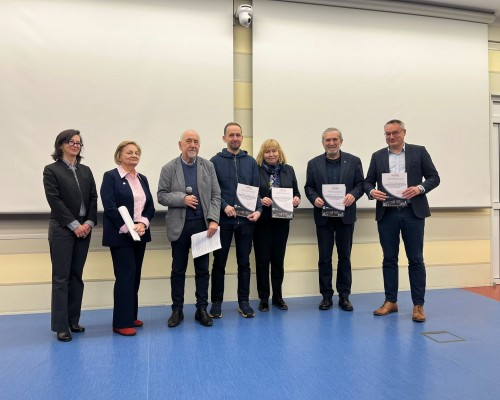
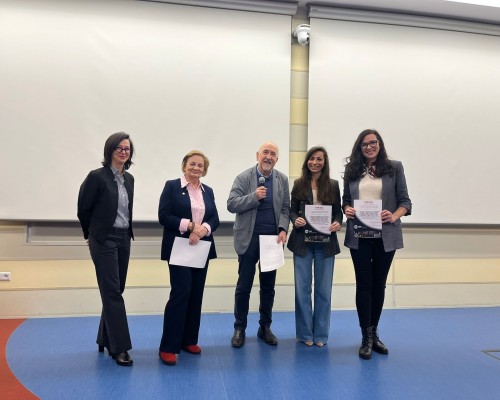
Awarded Publications in the IChF Best Scientific Work Competition 2024:
MAIN AWARDS (IChF researchers are indicated in bold type)
First Prize
Arkadiusz Kornowicz, Tomasz Pietrzak, Krzesimir Korona, Michał Terlecki, Iwona Justyniak, Adam Kubas, Janusz Lewiński
Fresh Impetus in the Chemistry of Calcium Peroxides
JOURNAL OF THE AMERICAN CHEMICAL SOCIETY 2024, 146, 28, 18938–18947
- za odkrycie nowego mechanizmu aktywacji tlenu molekularnego
Second Prize
Filipe Henrique, Paweł Żuk, Ankur Gupta
A network model to predict ionic transport in porous materials
PROCEEDINGS OF THE NATIONAL ACADEMY OF SCIENCES OF THE UNITED STATES OF AMERICA 2024, 121 (22) e2401656121
- za wprowadzenie uogólnionego modelu sieciowego do opisu transportu jonów w materiałach porowatych
Third Prize
Pavlo Hyziuk, Matteo Flaibani, Paola Posocco, Volodymyr Sashuk
Creating a suprazyme: integrating a molecular enzyme mimic with a nanozyme for enhanced catalysis
CHEMICAL SCIENCE 2024, 15, 16480-16484
- za odkrycie synergii w katalizie, gdy katalizatorem jest odpowiednia hybryda związku makrocyklicznego i nanocząstki metalu
HONORABLE MENTIONS
Agata Braniewska, Marcin Skórzyński, Zuzanna Sas, Magdalena Długołęcka, Ilona Marszałek, Daria Kurpiel, Marcel Buhler, Damian Strzemecki, Aneta Magiera, Maciej Białasek, Jarosław Walczak, Łukasz Cheda, Michał Komorowski, Tobias Weiss, Małgorzata Czystowska-Kuźmicz, Karina Kwapiszewska, Alberto Boffi, Magdalena Król, Tomasz P. Rygiel
A novel process for transcellular hemoglobin transport from macrophages to cancer cells
CELL COMMUNICATION AND SIGNALING 22, 570 (2024)
Marek Czarnota, Adam Mames, Mariusz Pietrzak, Sylwia Jopa, Franziska Theiss, Gerd Buntkowsky, Tomasz Ratajczyk
A Straightforward Method for the Generation of Hyperpolarized Orthohydrogen with a Partially Negative Line
ANGEWANDTE CHEMIE-INTERNATIONAL EDITION 2024, 63, e202309188
Faria Khan, Karina Kwapiszewska, Alicia M. Romero, Krzysztof Rudziński, Domingo Gil-Casanova, Jason D. Surratt, Rafał Szmigielski
Evidence for cytotoxicity and mitochondrial dysfunction in human lung cells exposed to biomass burning aerosol constituents: Levoglucosan and 4-nitrocatechol
ENVIRONMENTAL POLLUTION Vol. 363, Part 2, 2024, 125173
Hossein Maleki-Ghaleh, Bartosz Kamiński, Ehsan Moradpur-Tari, Sada Raza, Mehdi Khanmohammadi, Rafał Zbonikowski, Sadegh Mohammad Shakeri, Hossein Siadati, Ali Akbari-Fakhrabadi, Jan Paczesny
Visible Light-Sensitive Sustainable Quantum Dot Crystals of Co/Mg Doped Natural Hydroxyapatite Possessing Antimicrobial Activity and Biocompatibility
SMALL 2024, 20, 2405708
Andrzej Poniewierski, Robert Hołyst
Analytical Form of the Fluorescence Correlation Spectroscopy Autocorrelation Function in Chemically Reactive Systems
JOURNAL OF CHEMICAL THEORY AND COMPUTATION 2024, 20, 7, 2830–2841
- Date: 21.01.2026