Inspiring young minds through chemistry: IChF science outreach activities in the second quarter of 2026
Reading time: about 4 minuts
Hands-on chemistry demonstrations, visits to schools and preschools, and participation in one of Warsaw's largest local science festivals – during the second quarter of 2026, the Institute of Physical Chemistry, Polish Academy of Sciences (IChF) continued its extensive outreach activities aimed at children and young people. By bringing science directly into educational settings and welcoming students to the Institute, IChF once again demonstrated that chemistry can be fascinating, safe, and closely connected to everyday life.
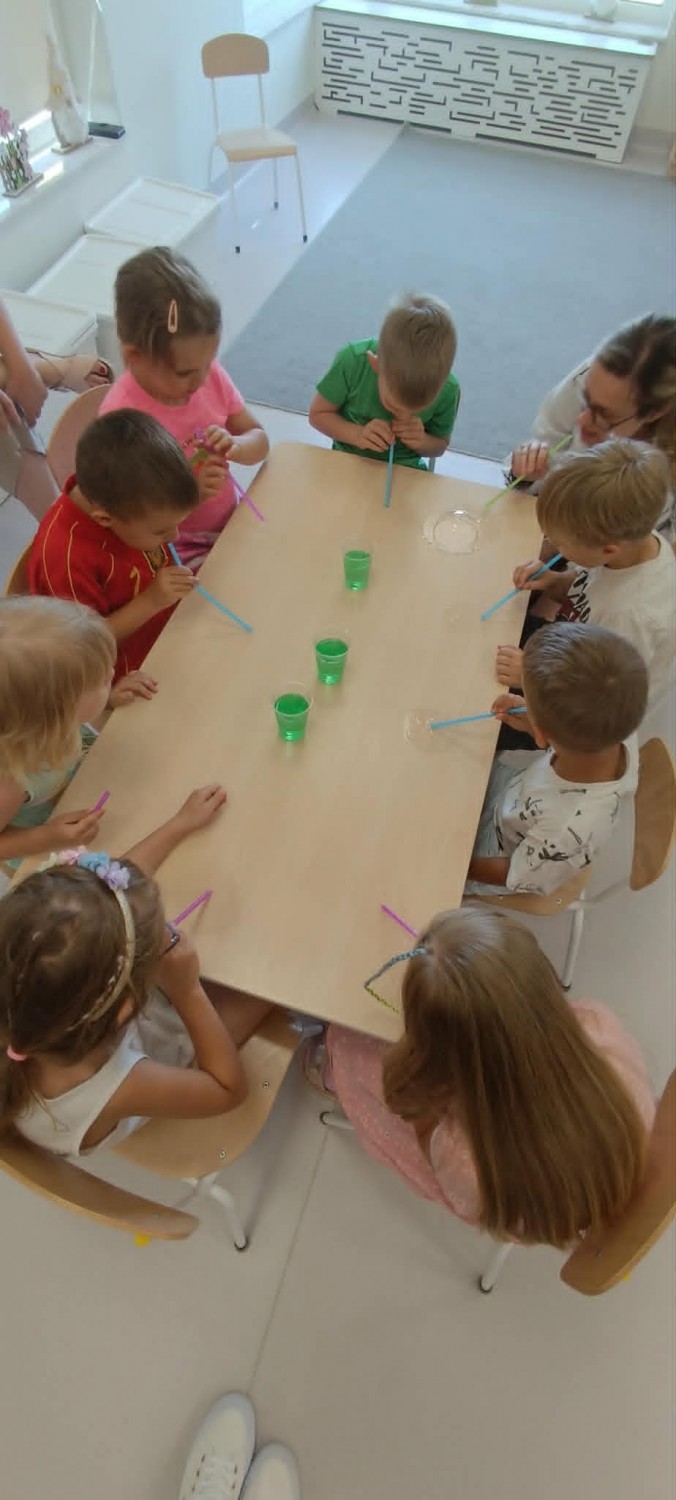
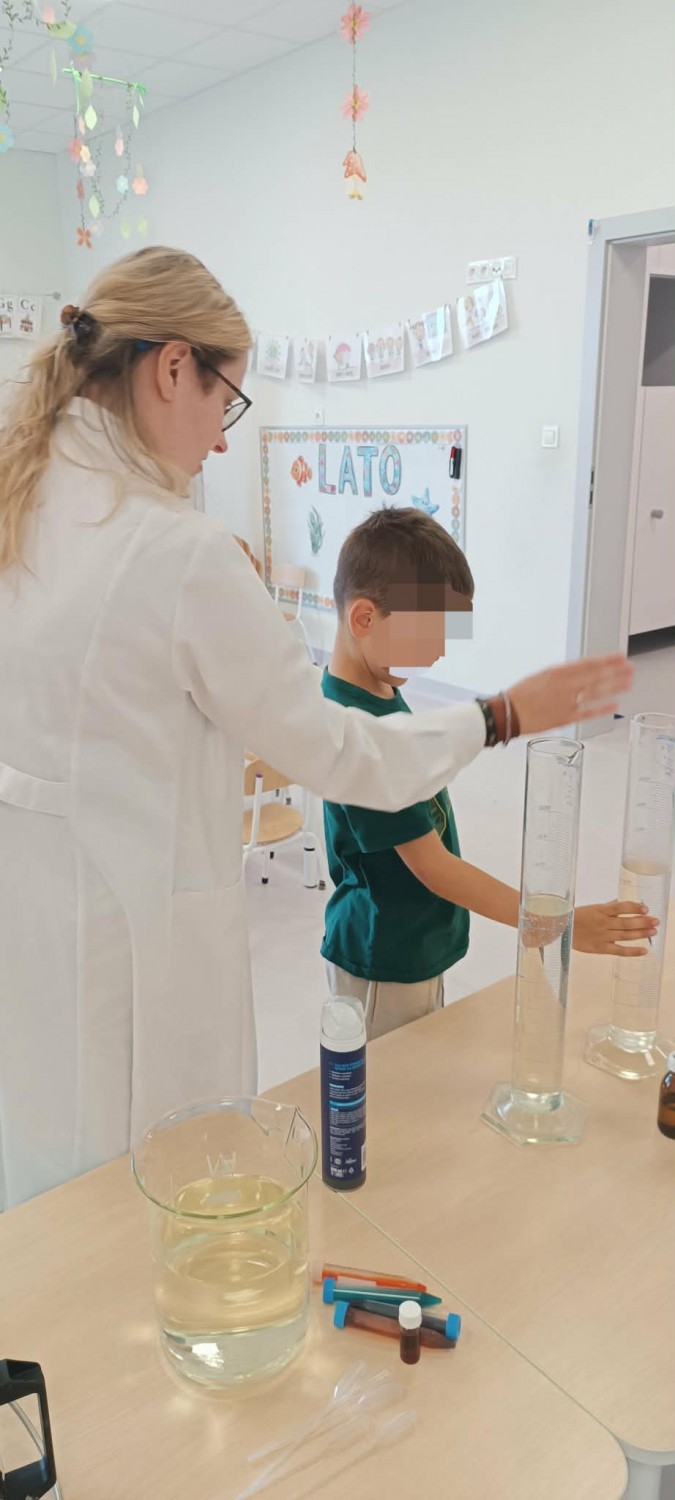
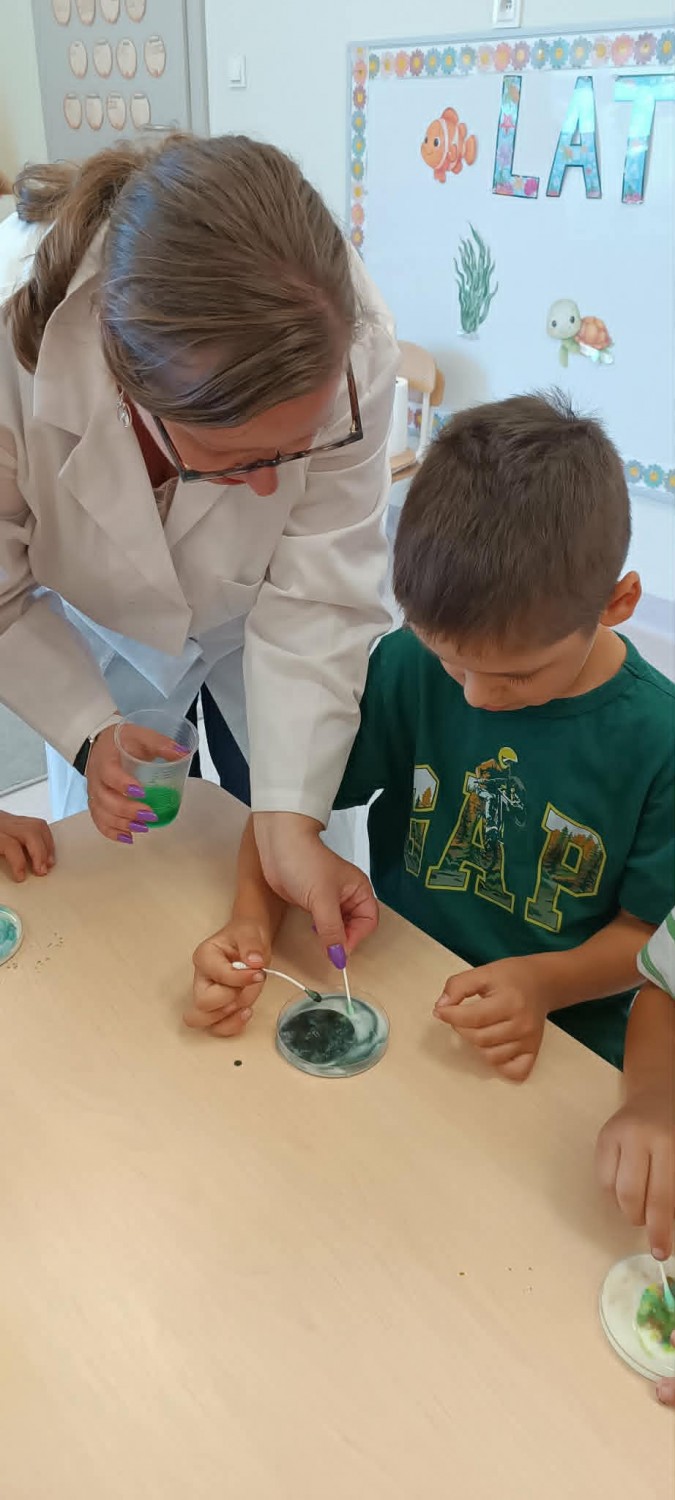
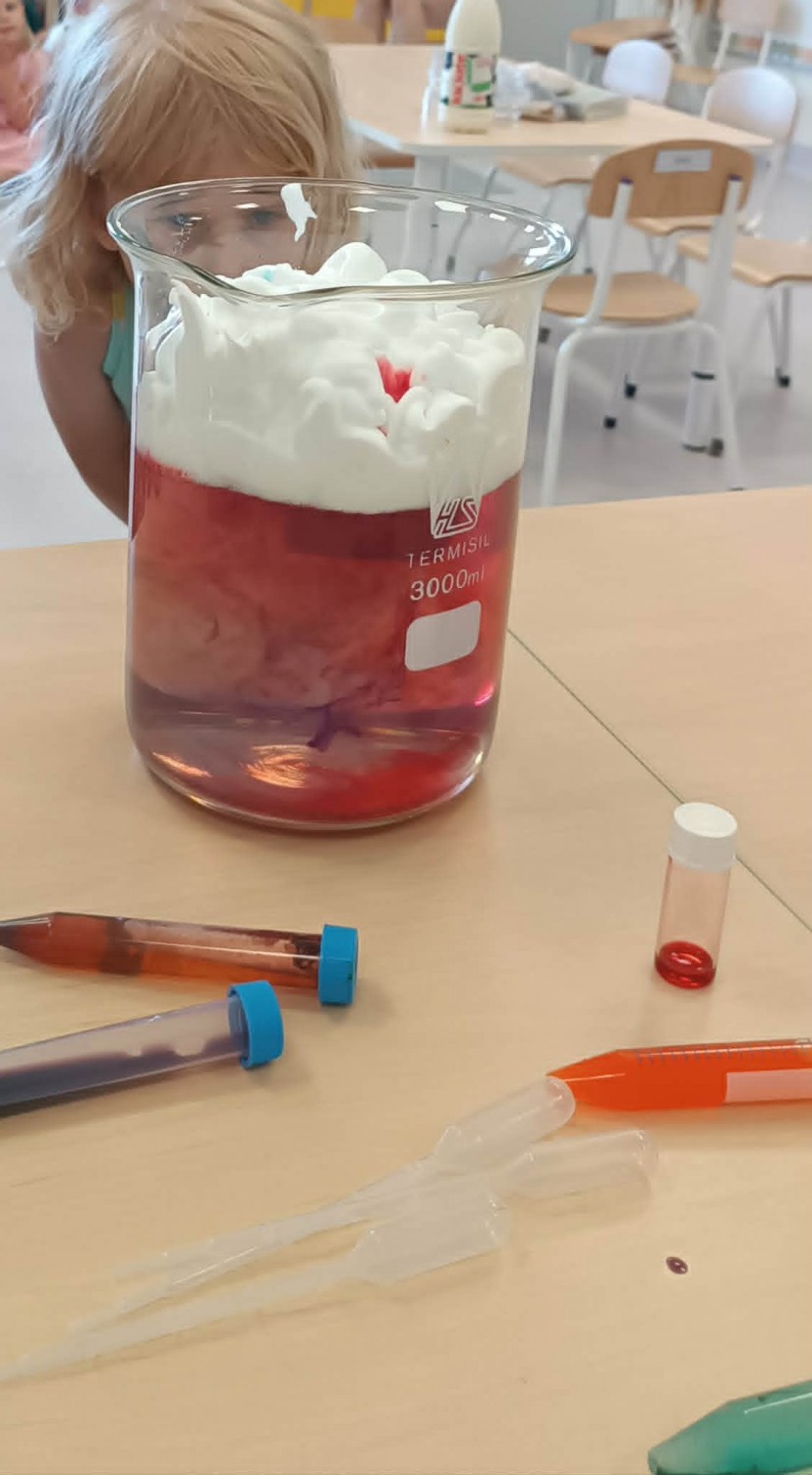
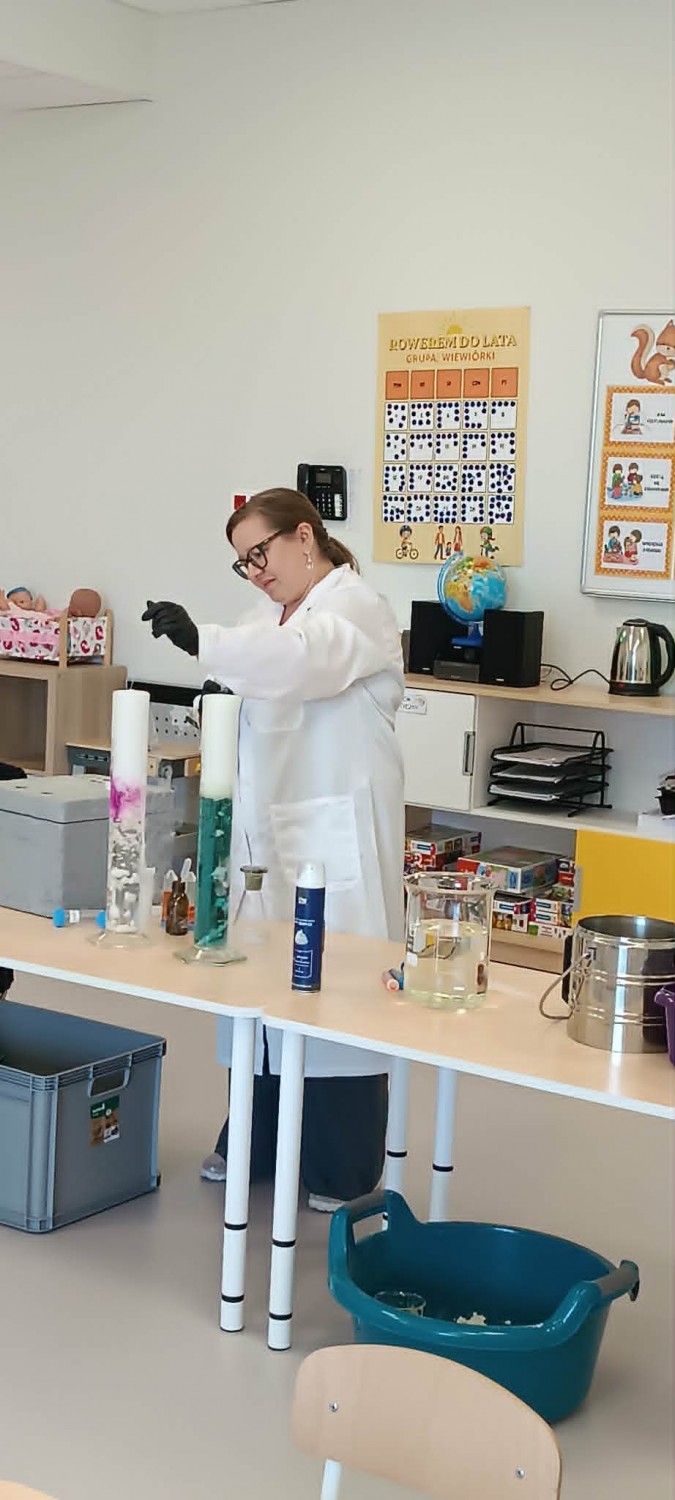
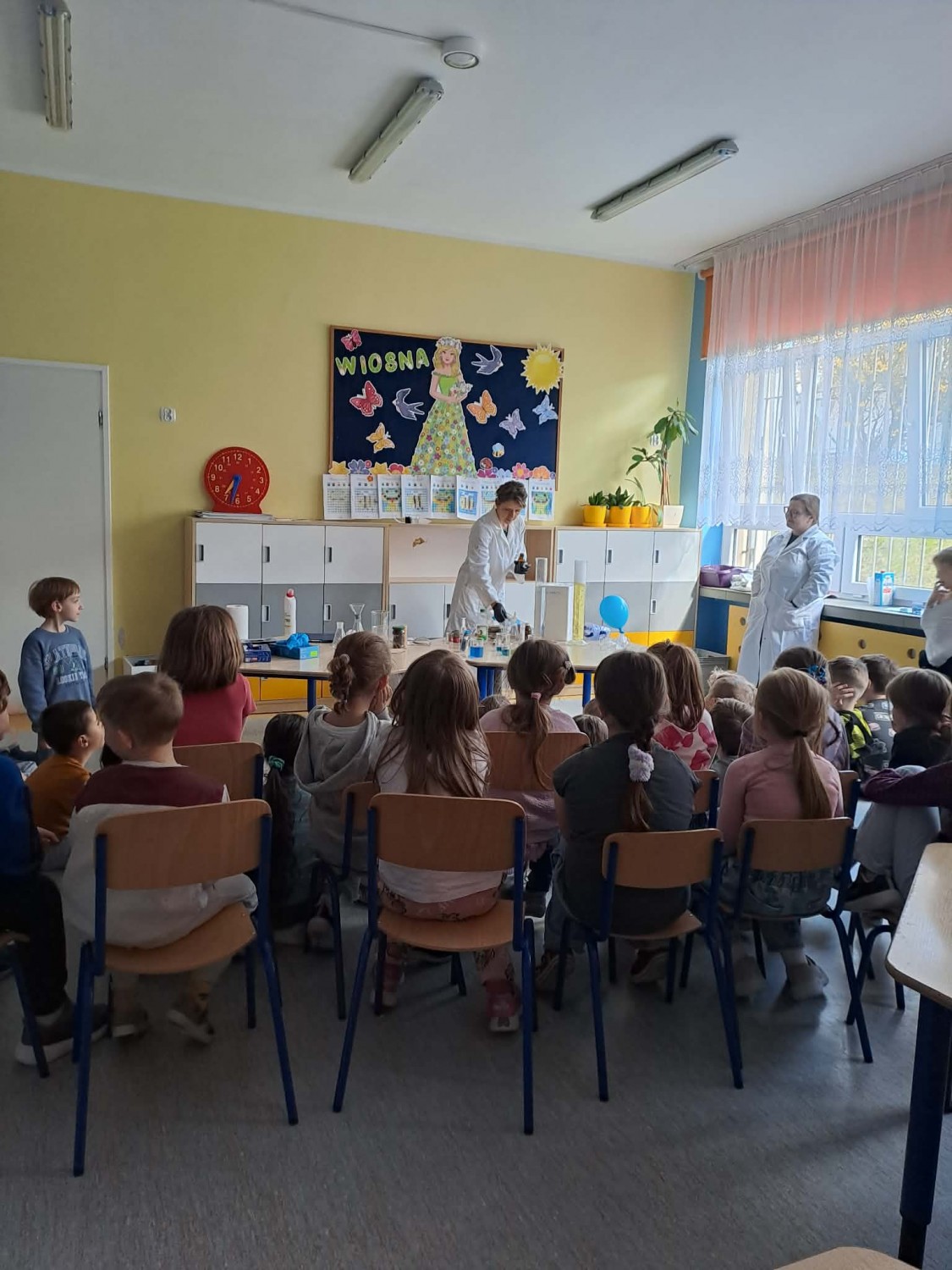
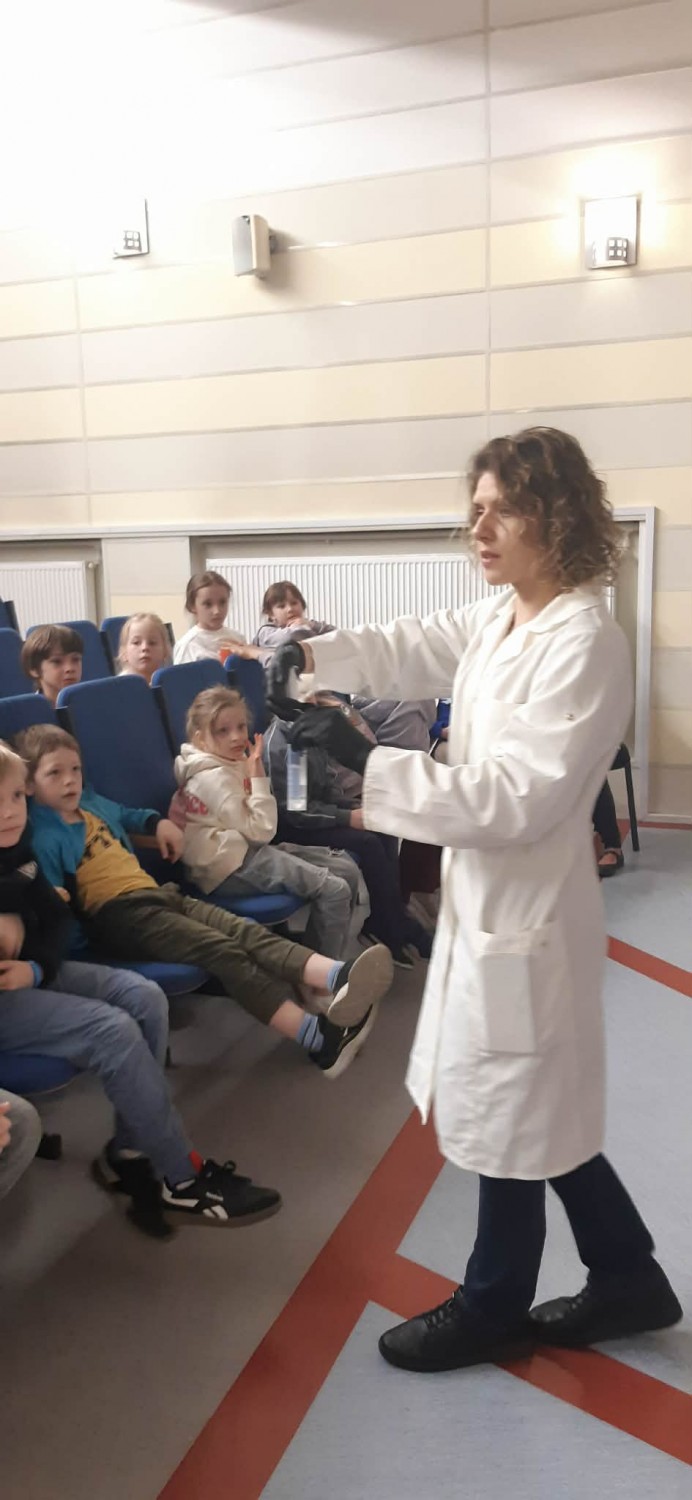
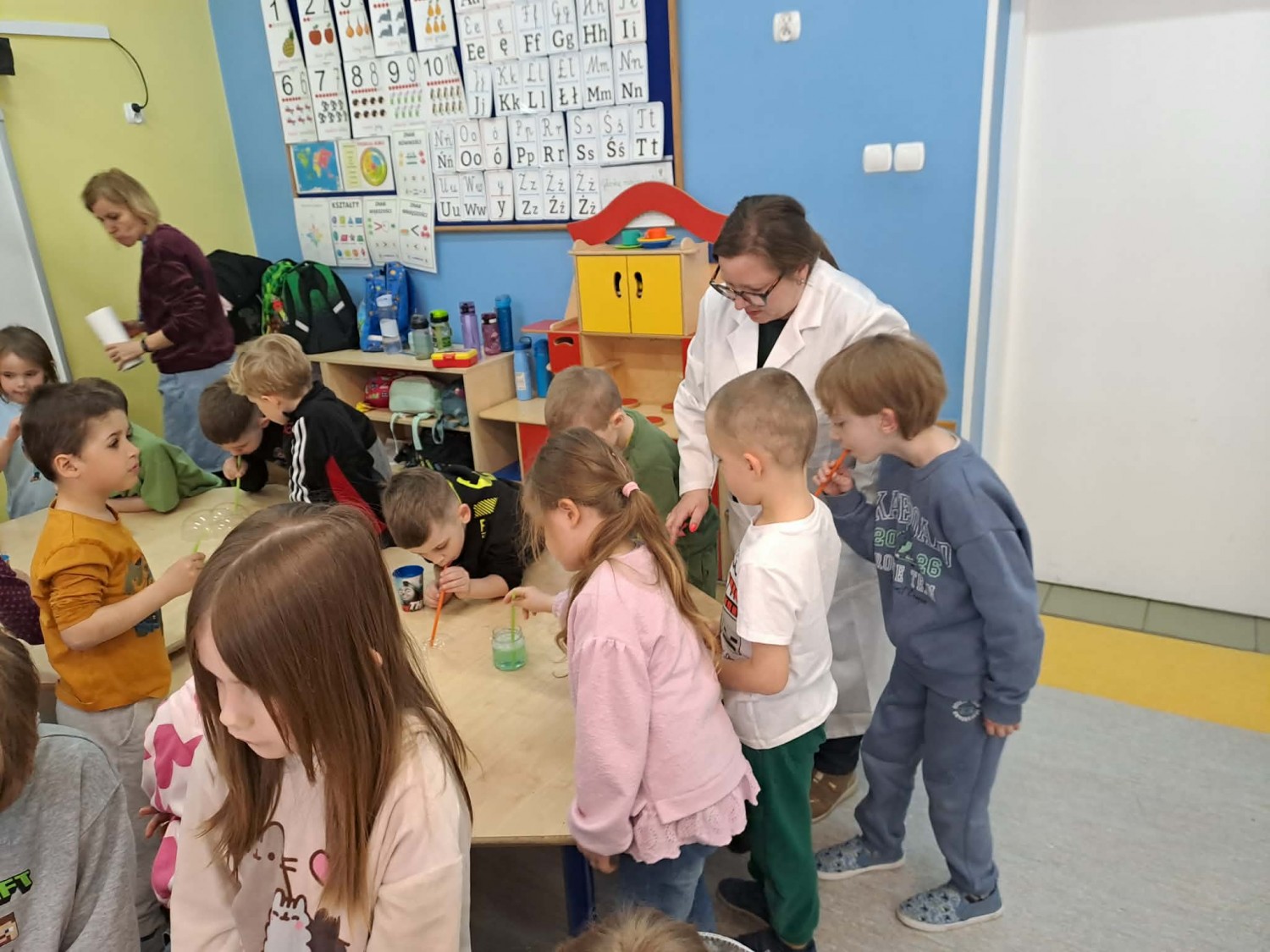
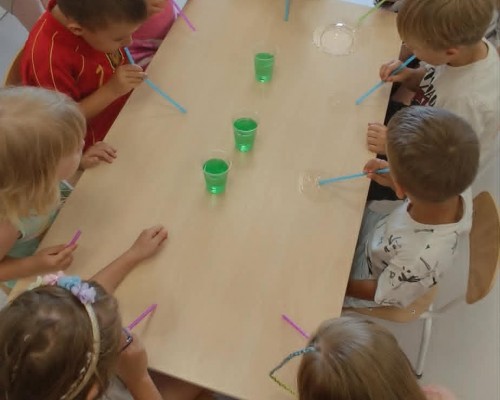
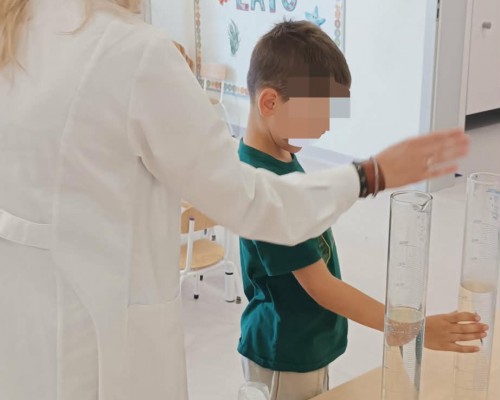
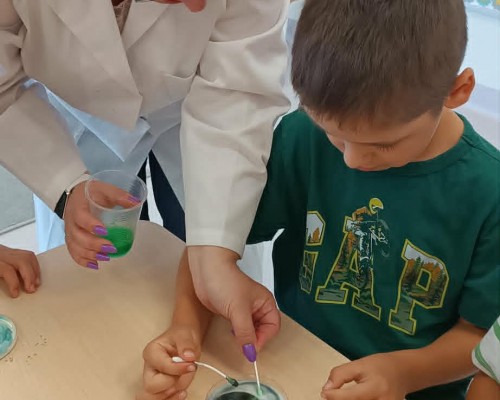
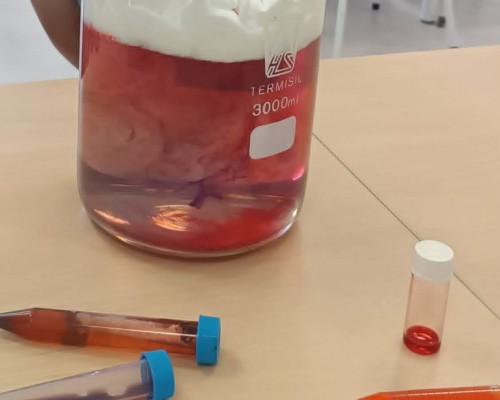
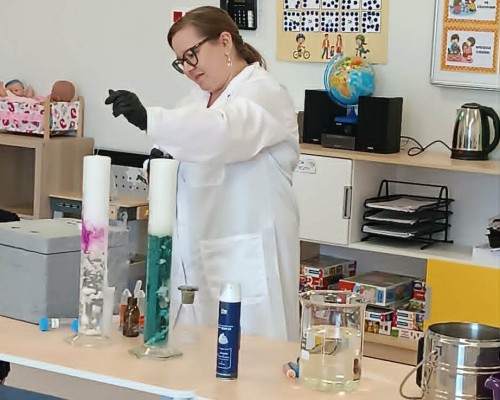
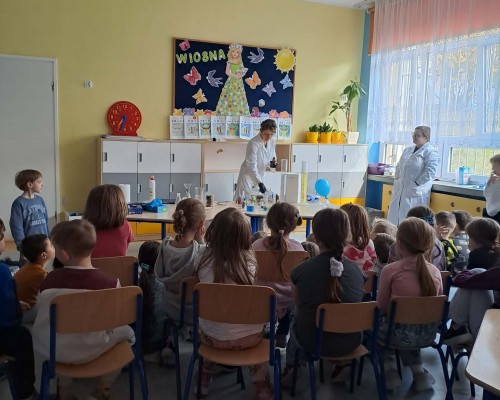
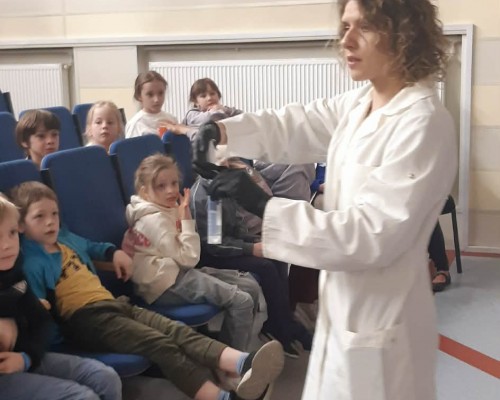
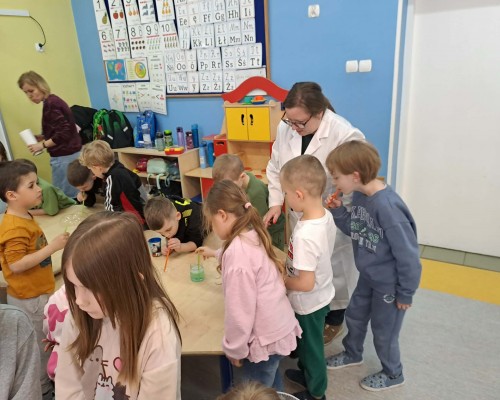
The outreach program began on April 10 with interactive demonstrations for two preschool groups from Primary School No. 139 in Warsaw. The activities were led by Beata Pleskot and Ewelina Kalwarczyk. Participants learned about laboratory safety and appropriate protective clothing while exploring a series of engaging experiments illustrating pH changes, the properties of carbon dioxide, color changes using red cabbage indicator, water purification, milk painting, and the "bubble inside a bubble" phenomenon.
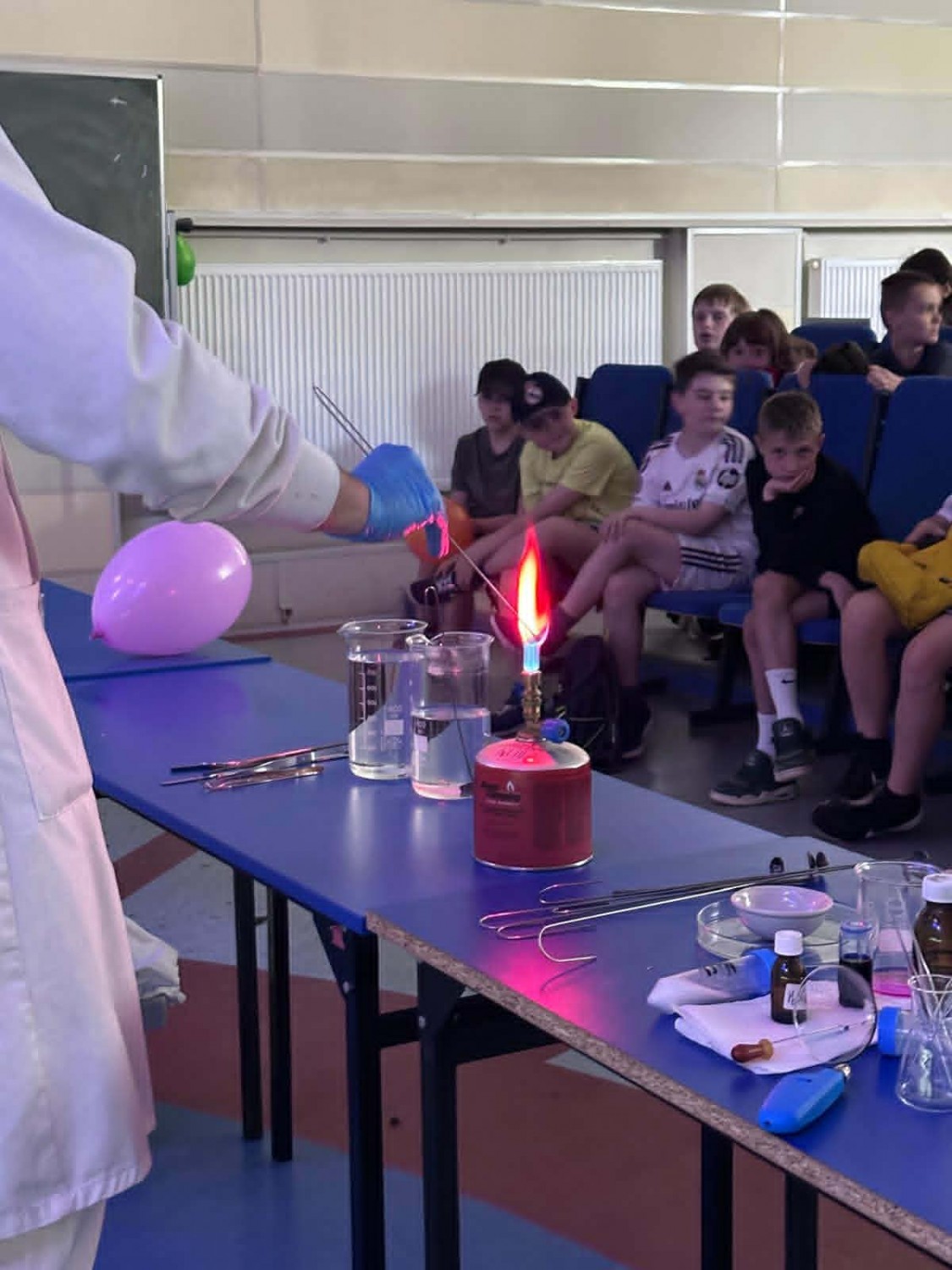
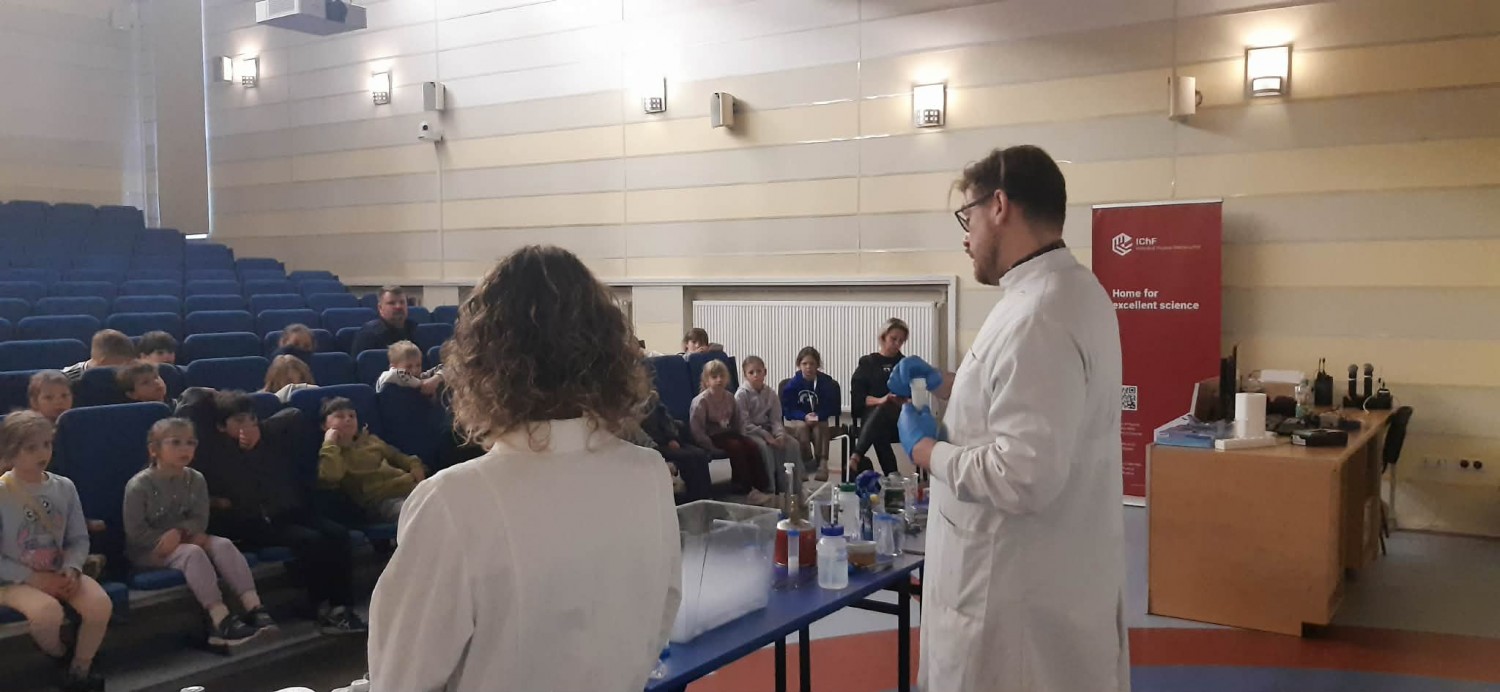
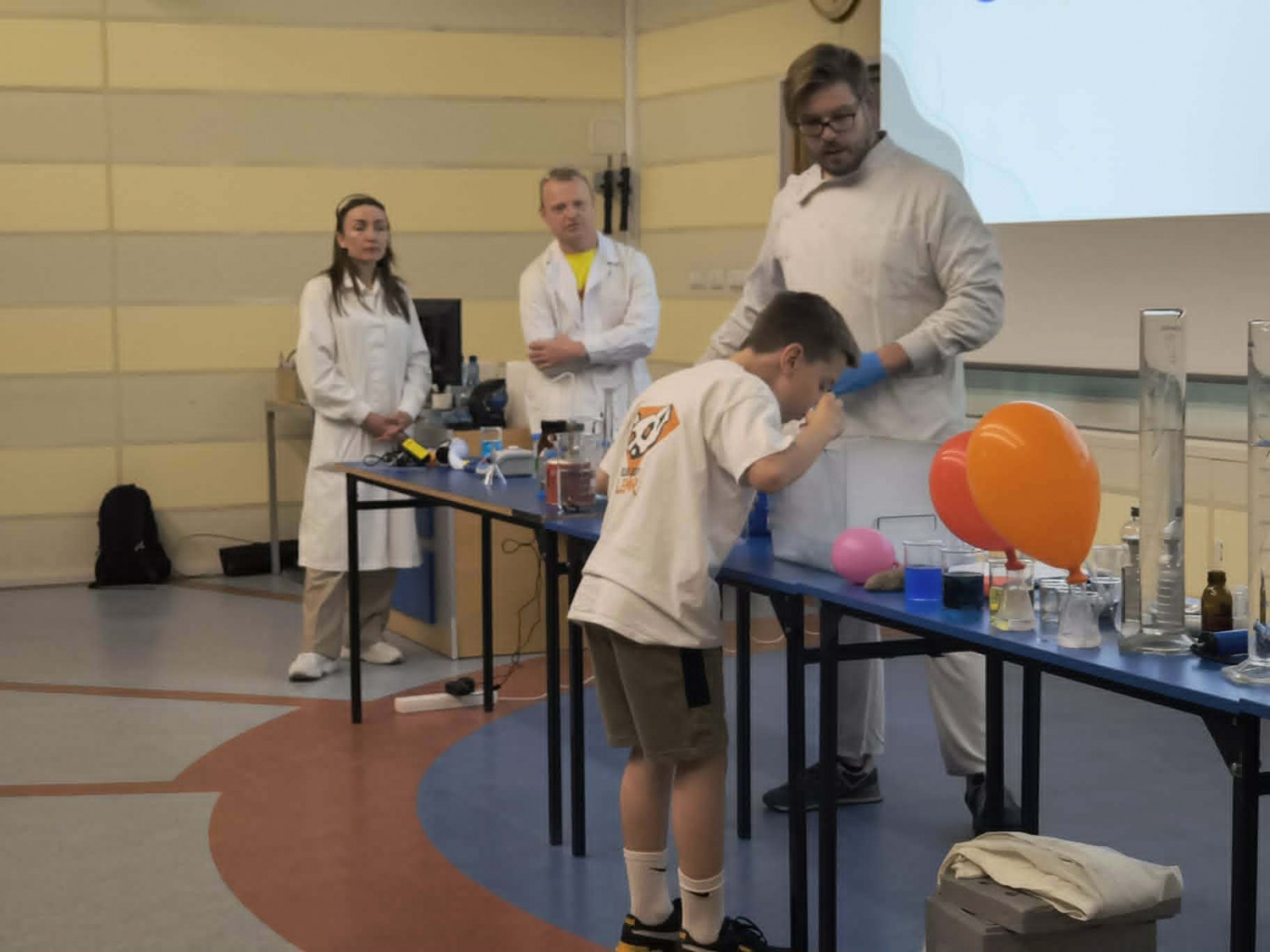
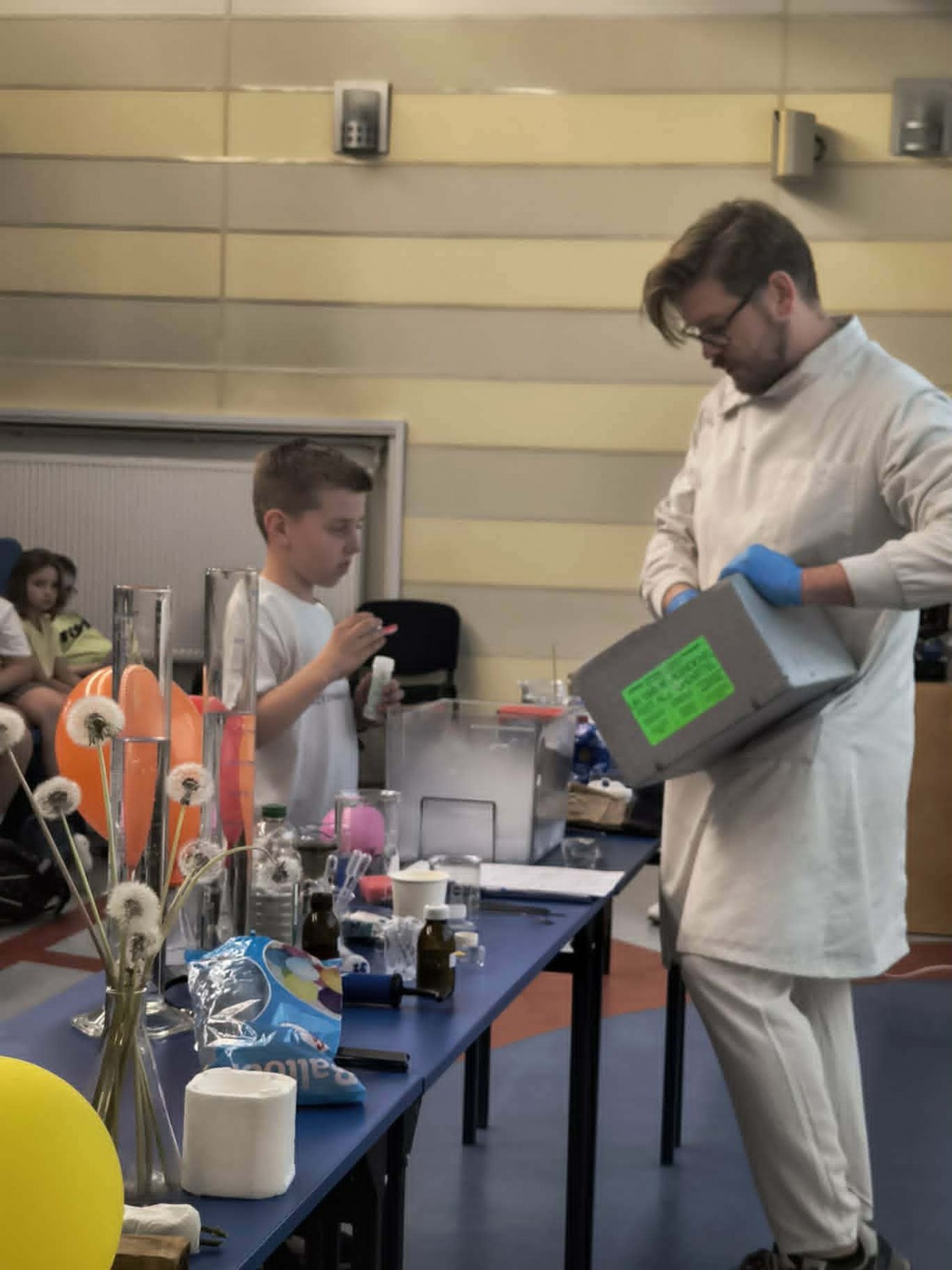
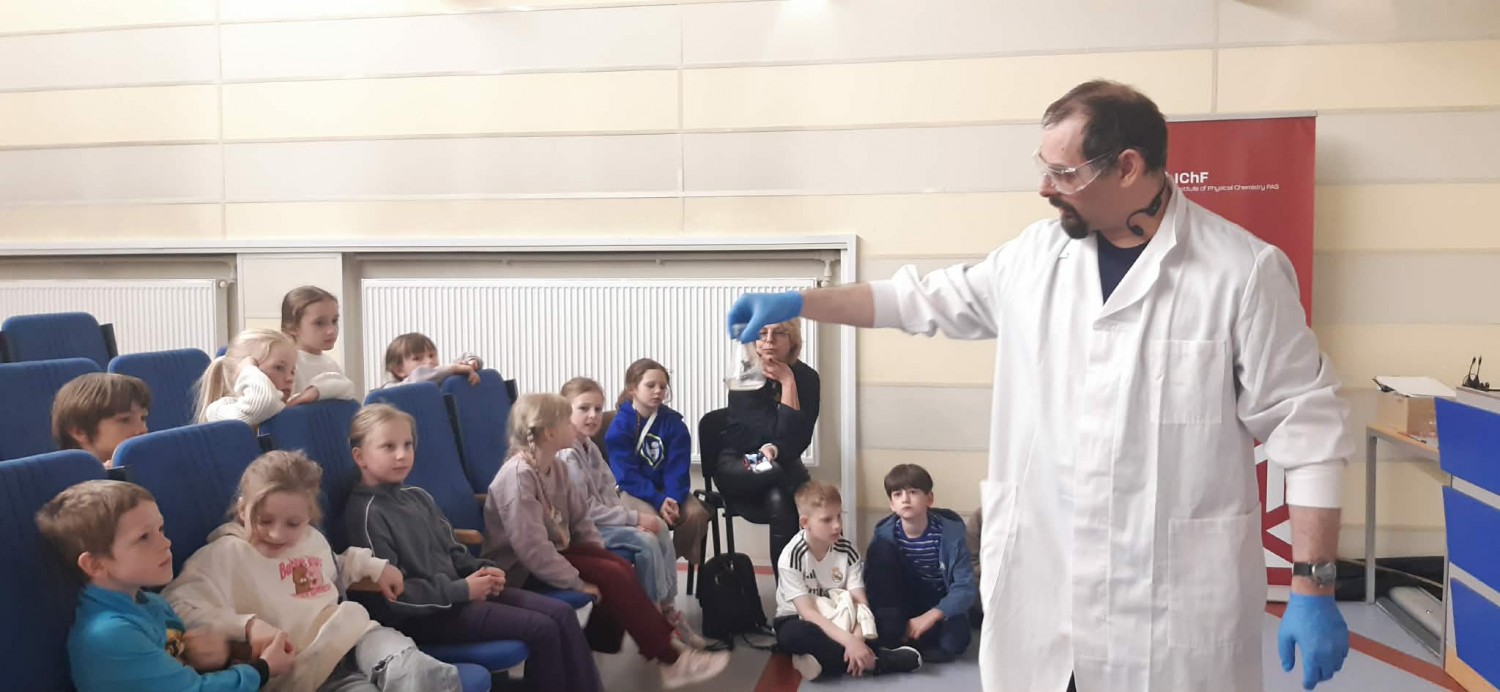
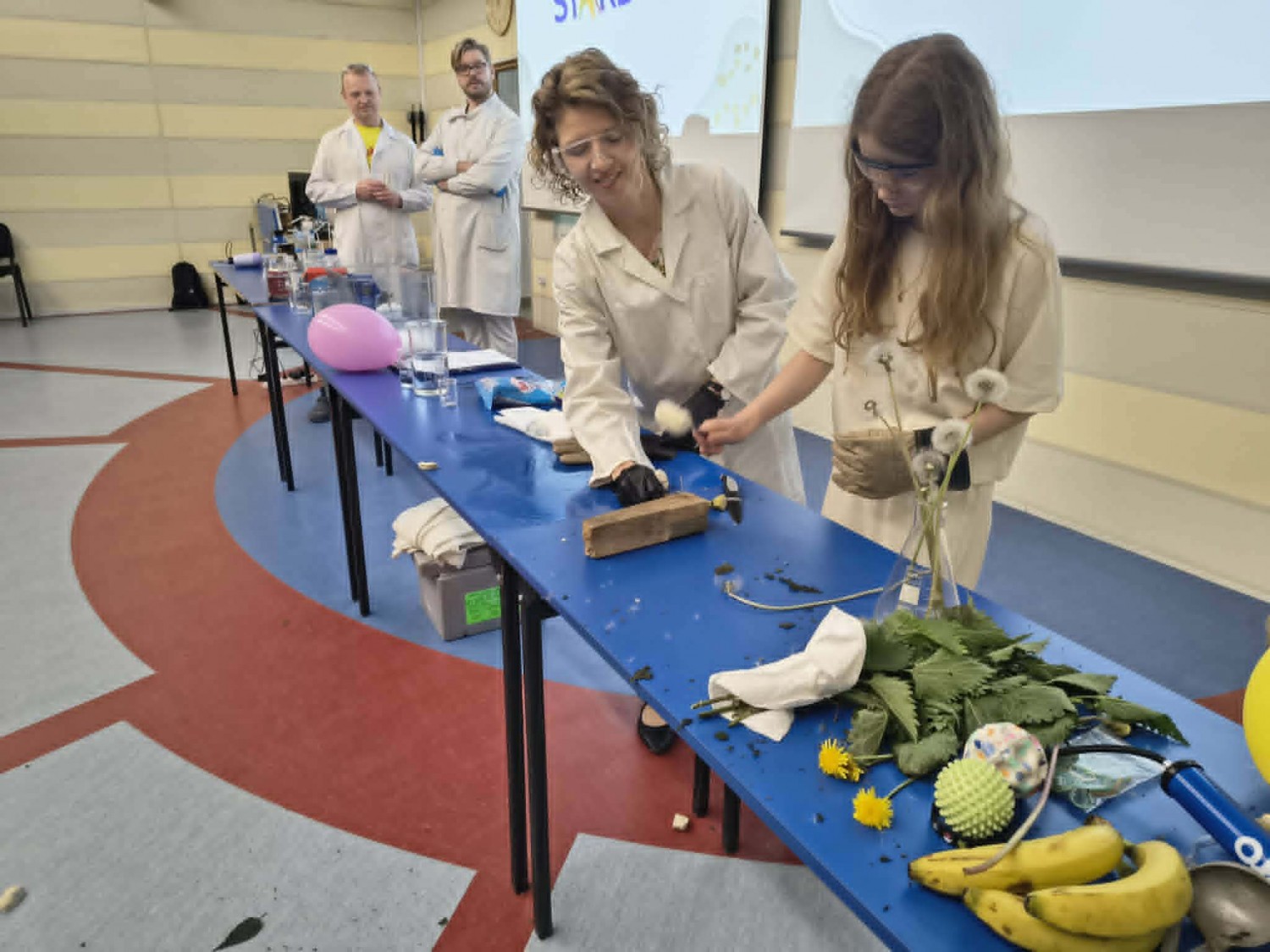
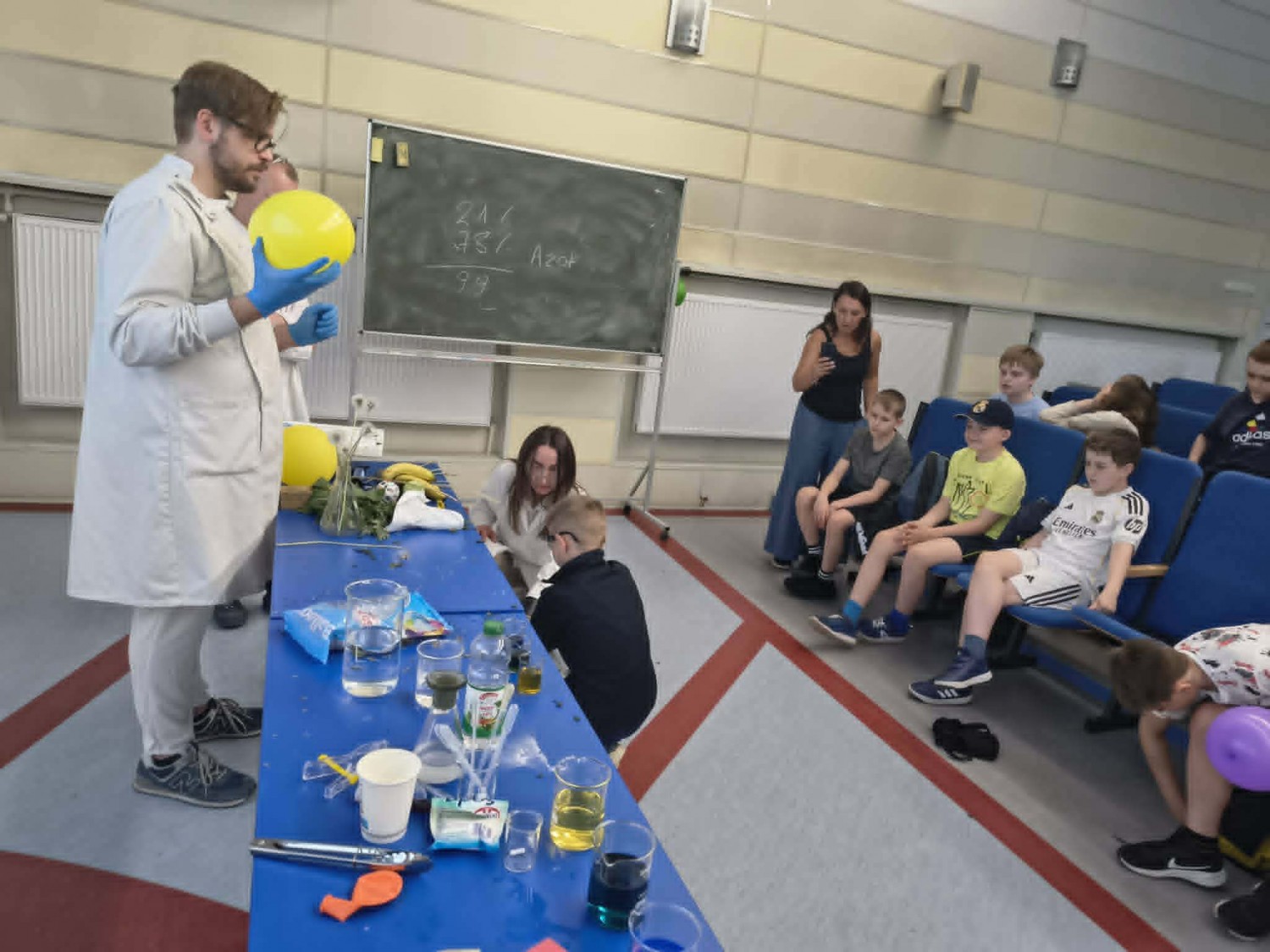
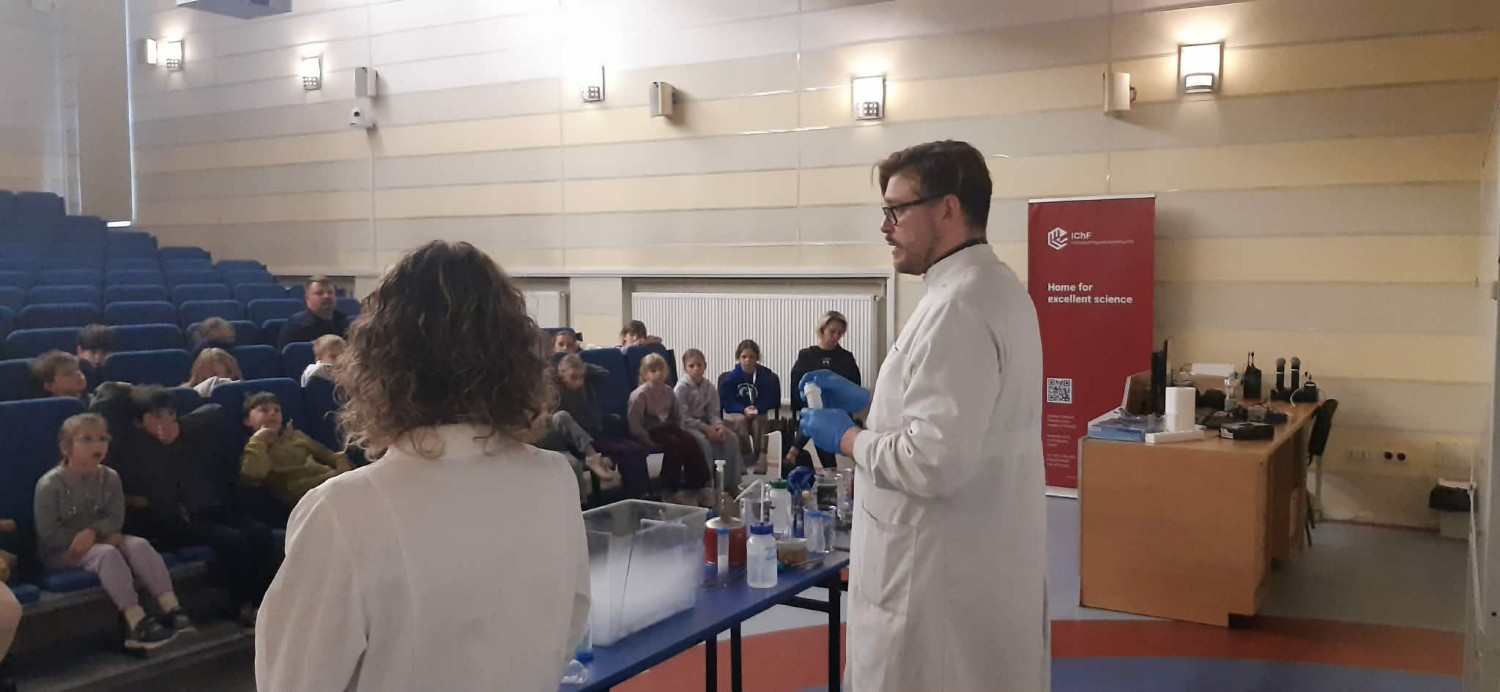
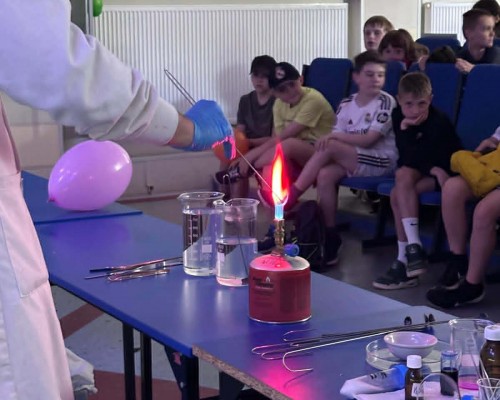
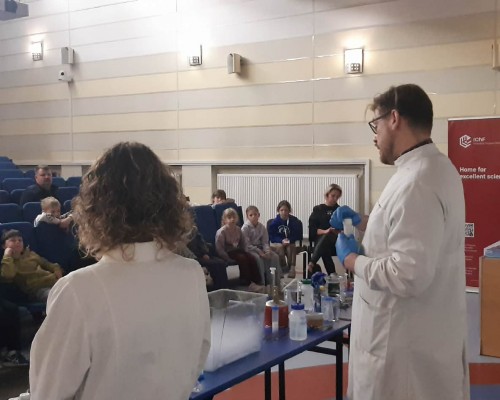
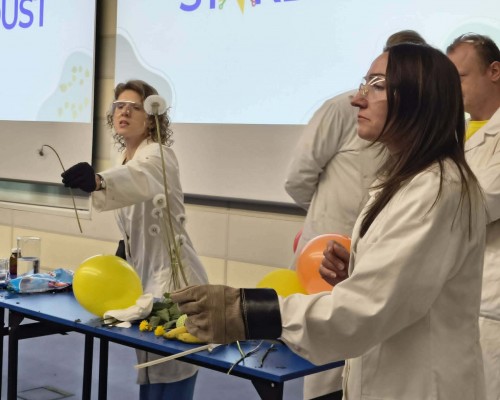
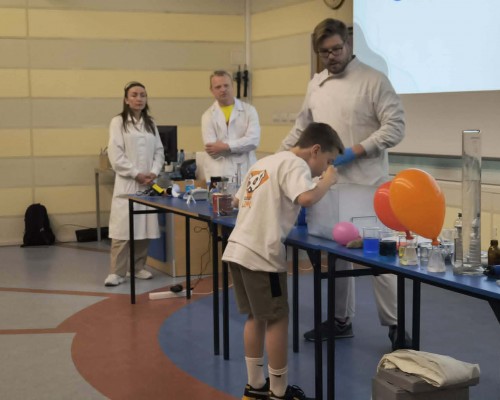
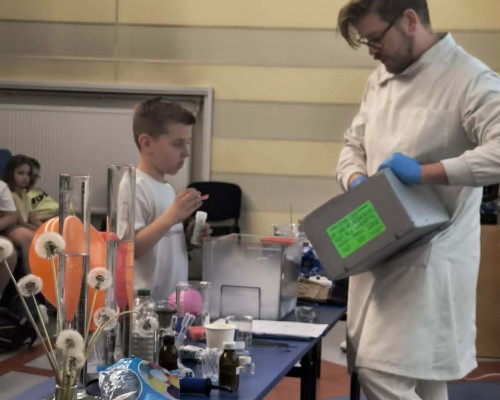
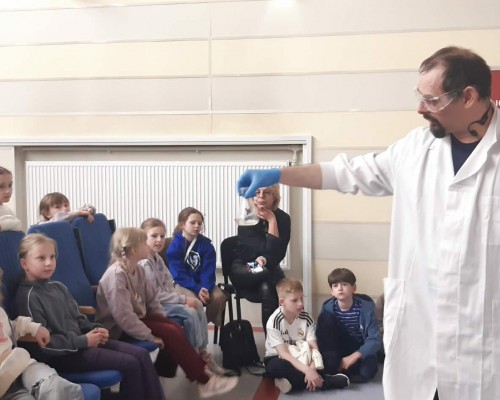
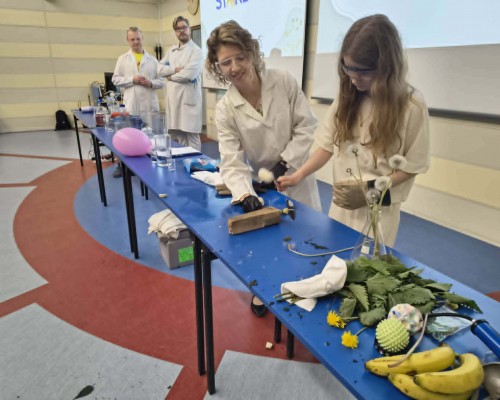
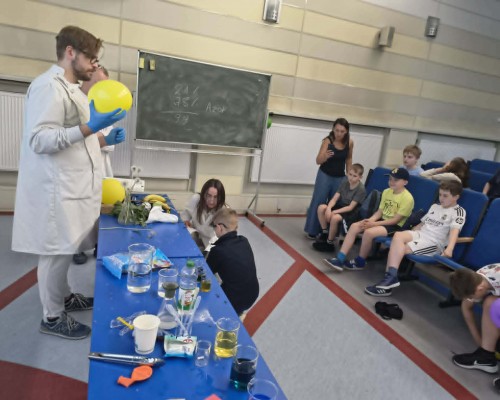
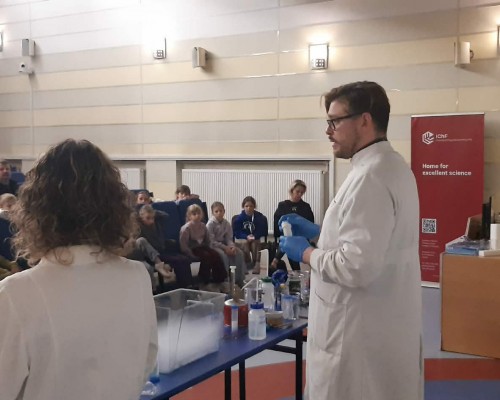
On April 21, the Institute welcomed two first-grade classes from Primary School No. 369 in Warsaw. The demonstrations were conducted by Beata Pleskot, Ewelina Kalwarczyk, Tomasz Kalwarczyk, and Bartłomiej Bończak. In addition to learning about laboratory equipment and safe scientific practice, students observed dry ice inflating a balloon, experiments with liquid nitrogen, water purification, color-changing chemical reactions, and flame tests demonstrating different flame colors. They also explored whether cucumbers can glow, whether soap bubbles can be suspended, and how balloons filled with air and helium behave when exposed to temperatures approaching –200°C.
On May 5, the Institute hosted fourth-grade students from Primary School No. 112 in Warsaw and second-grade students from Dr. Mateusz Chełmoński Primary School in Adamowizna. The demonstrations were presented by Beata Pleskot, Ewelina Kalwarczyk, Justyna Mech-Piskorz, Bartłomiej Bończak, and Konrad Giżyński. The program featured laboratory equipment demonstrations, experiments with liquid nitrogen, magnetic levitation, water electrolysis, pH indicators, combustion reactions, and an experiment showing how dry ice can inflate a balloon.
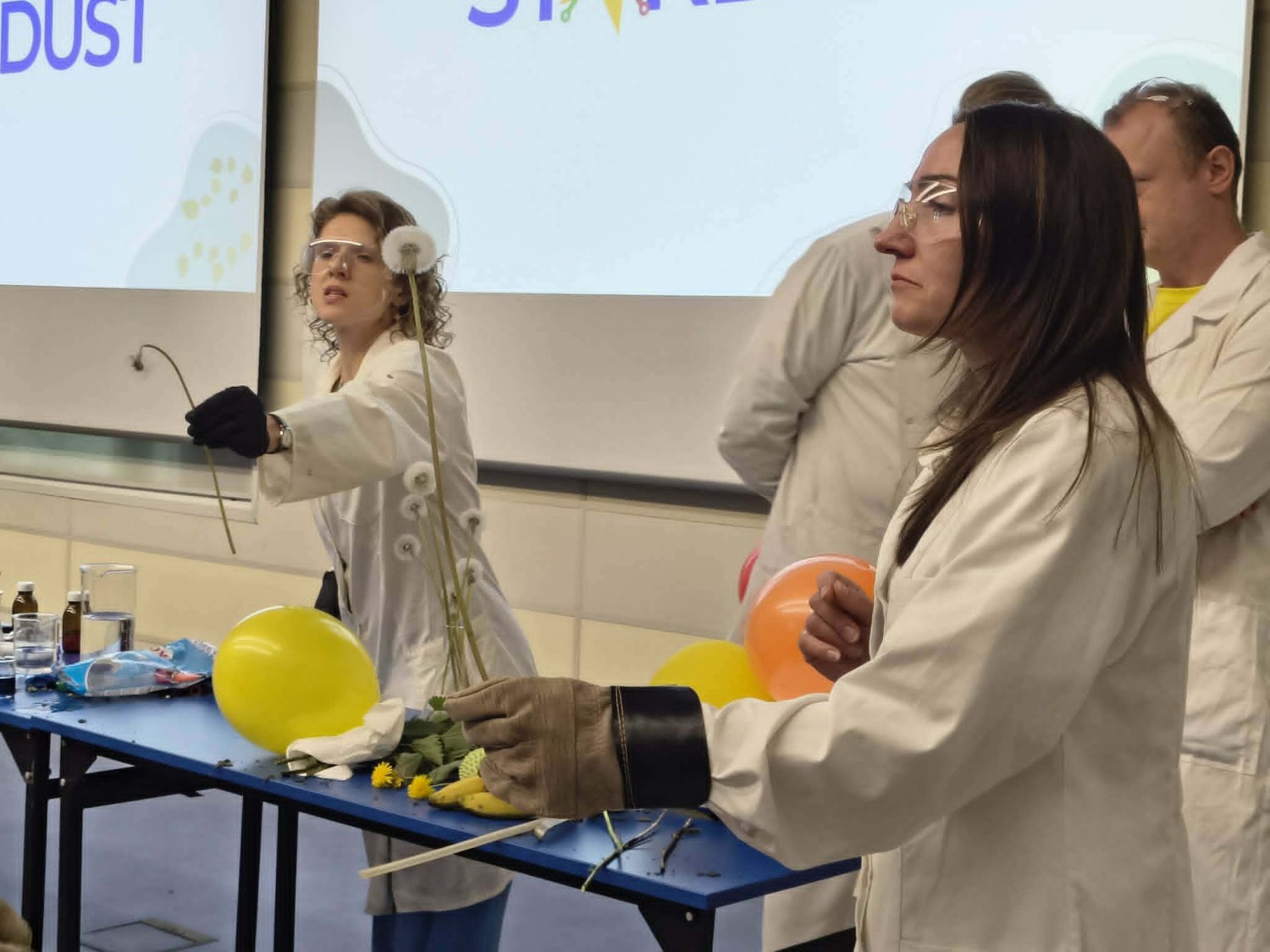
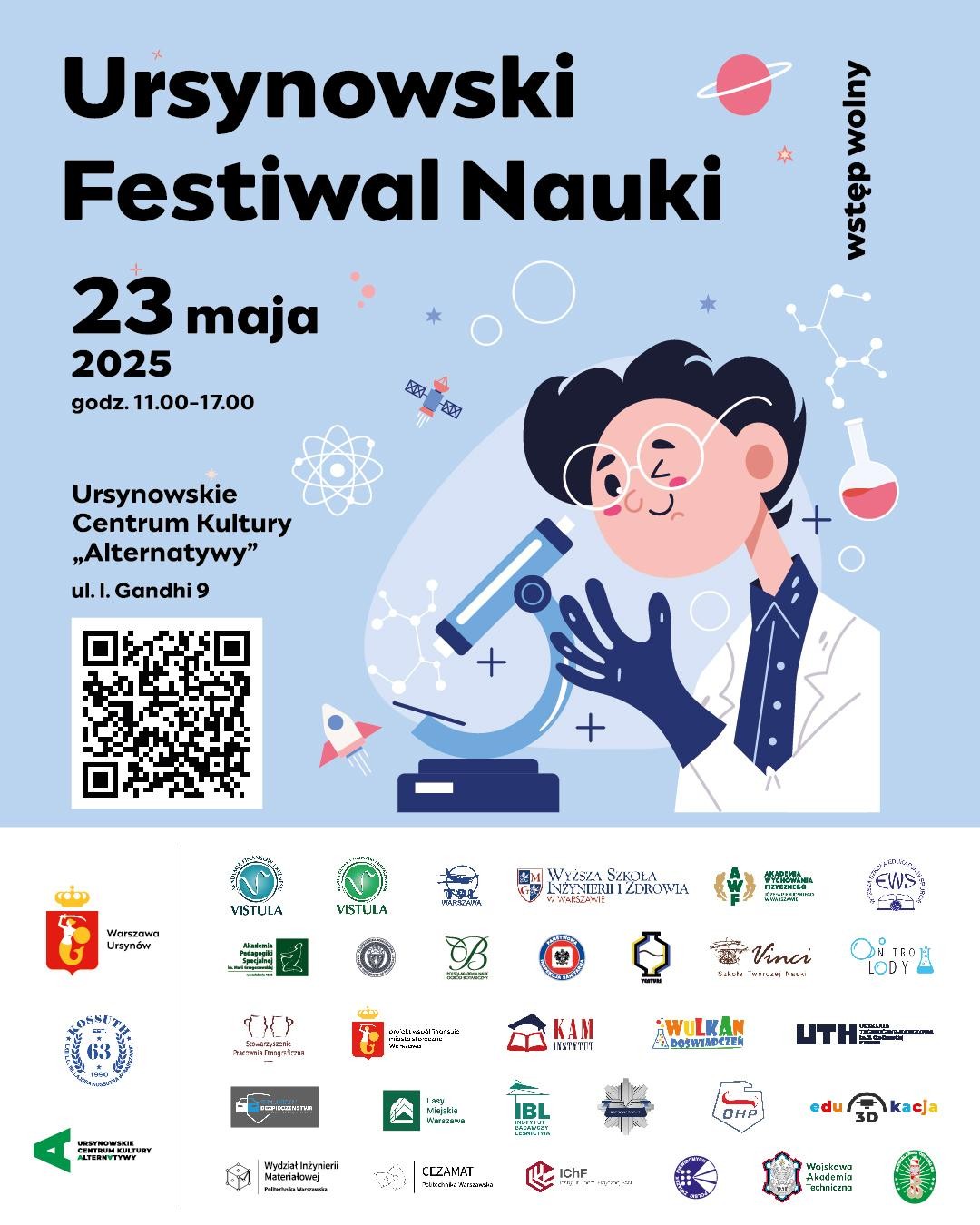
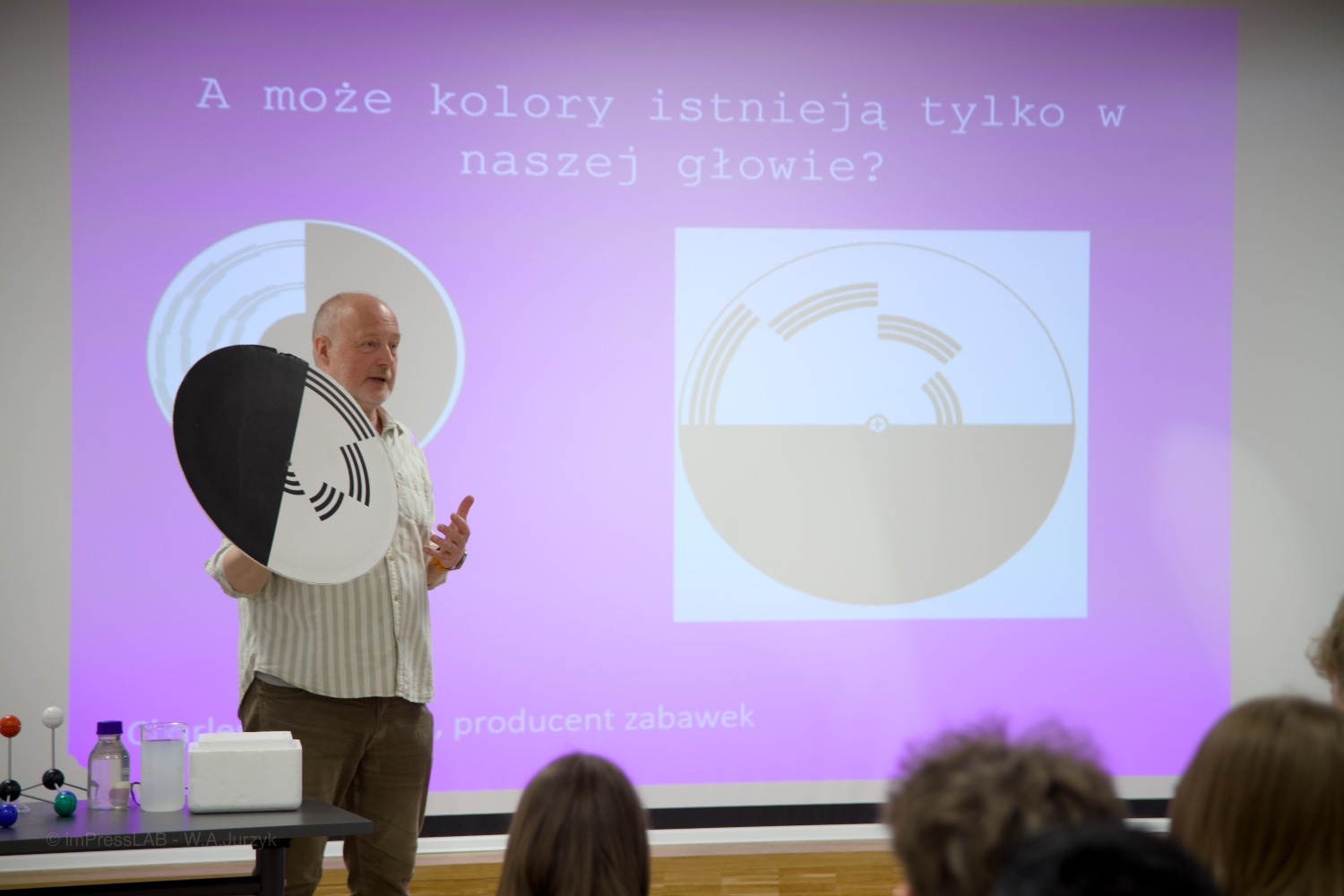
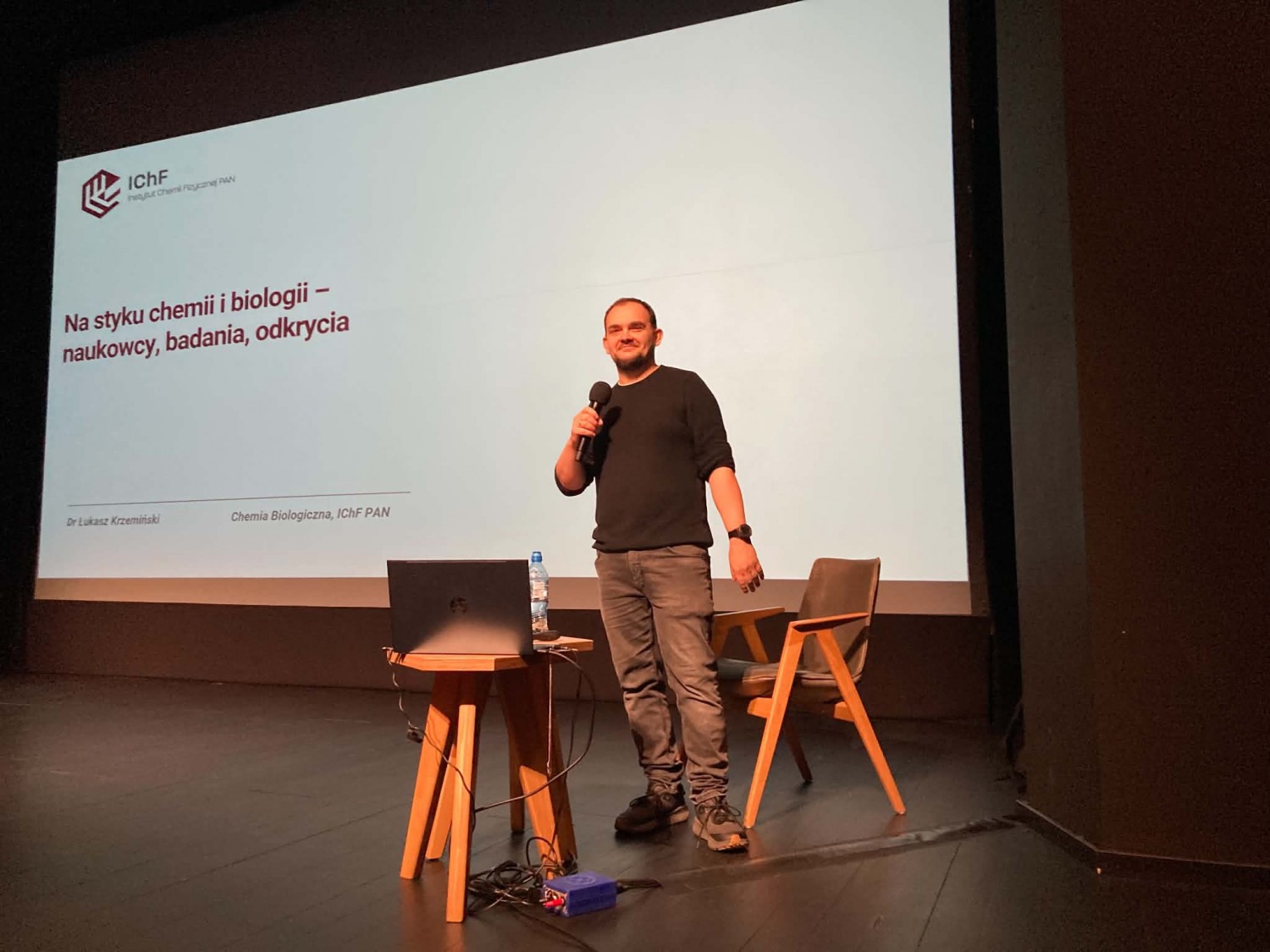
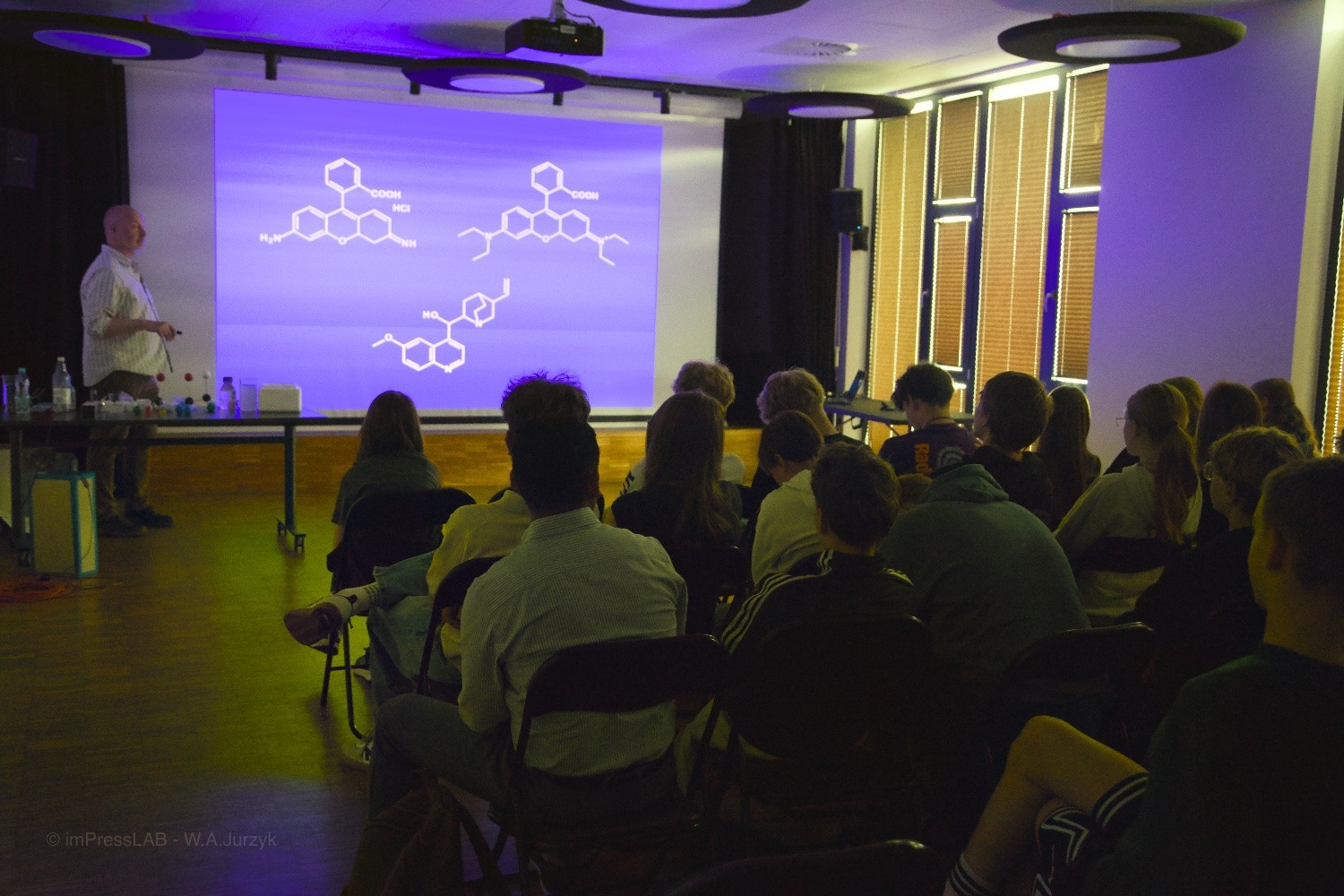
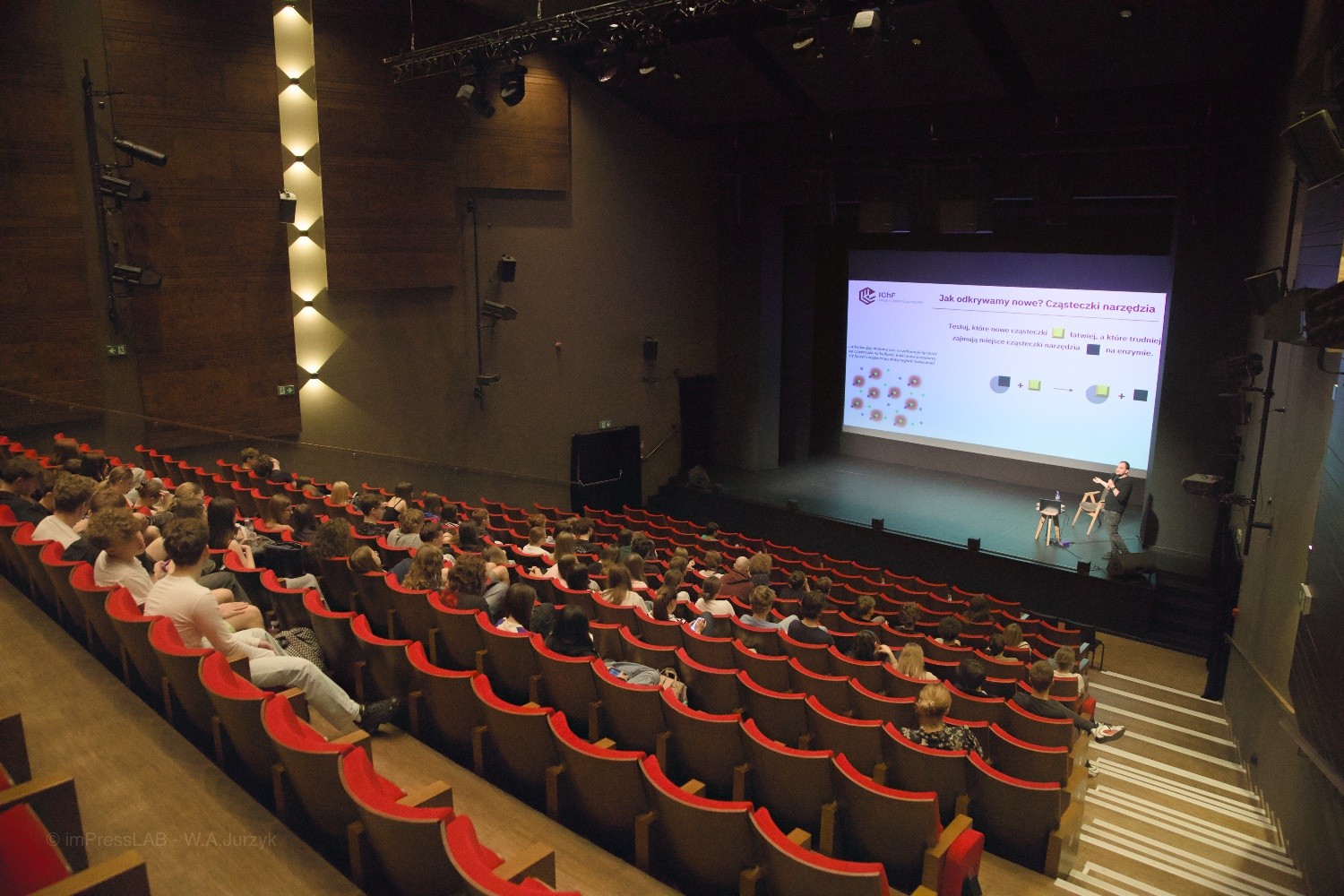
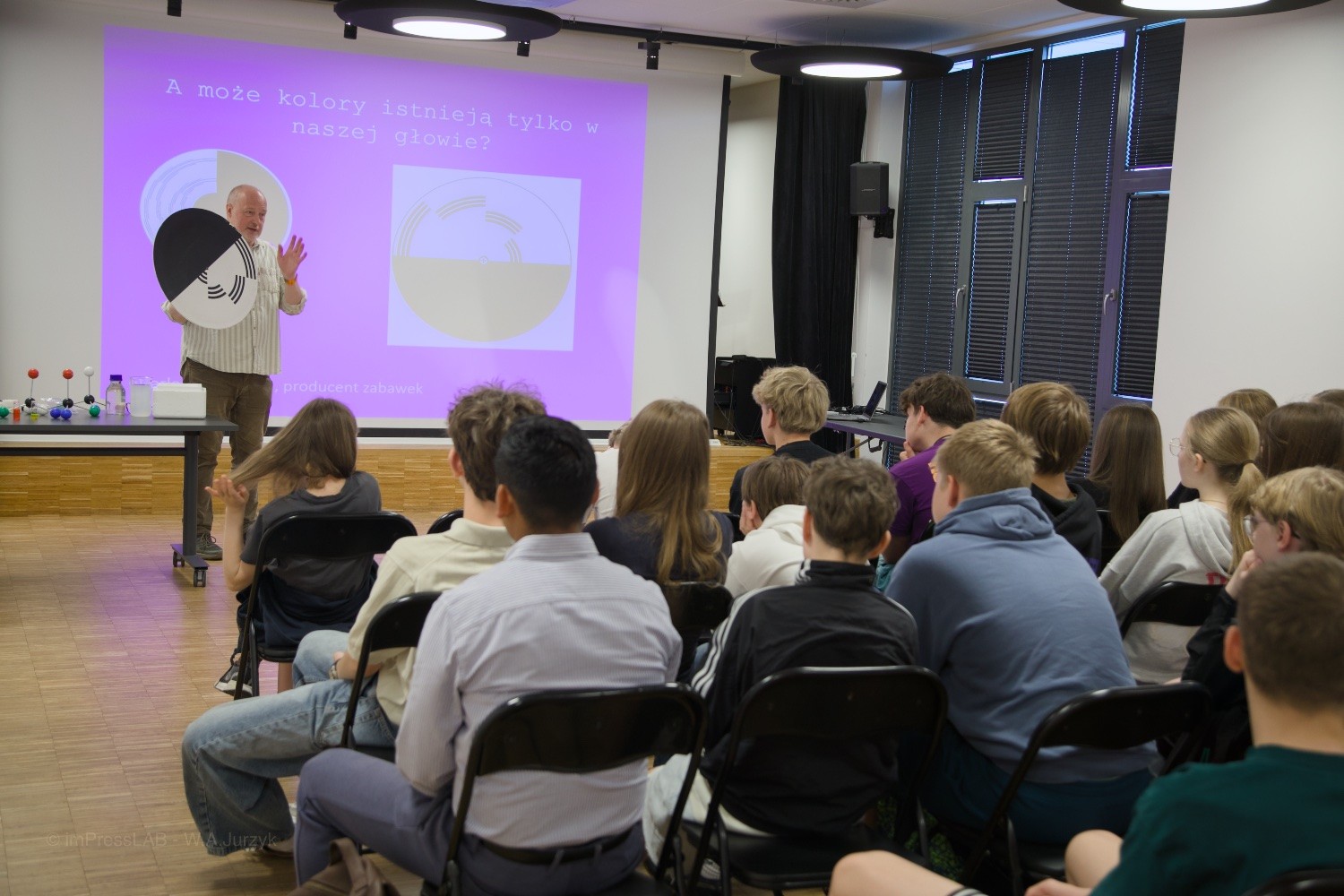
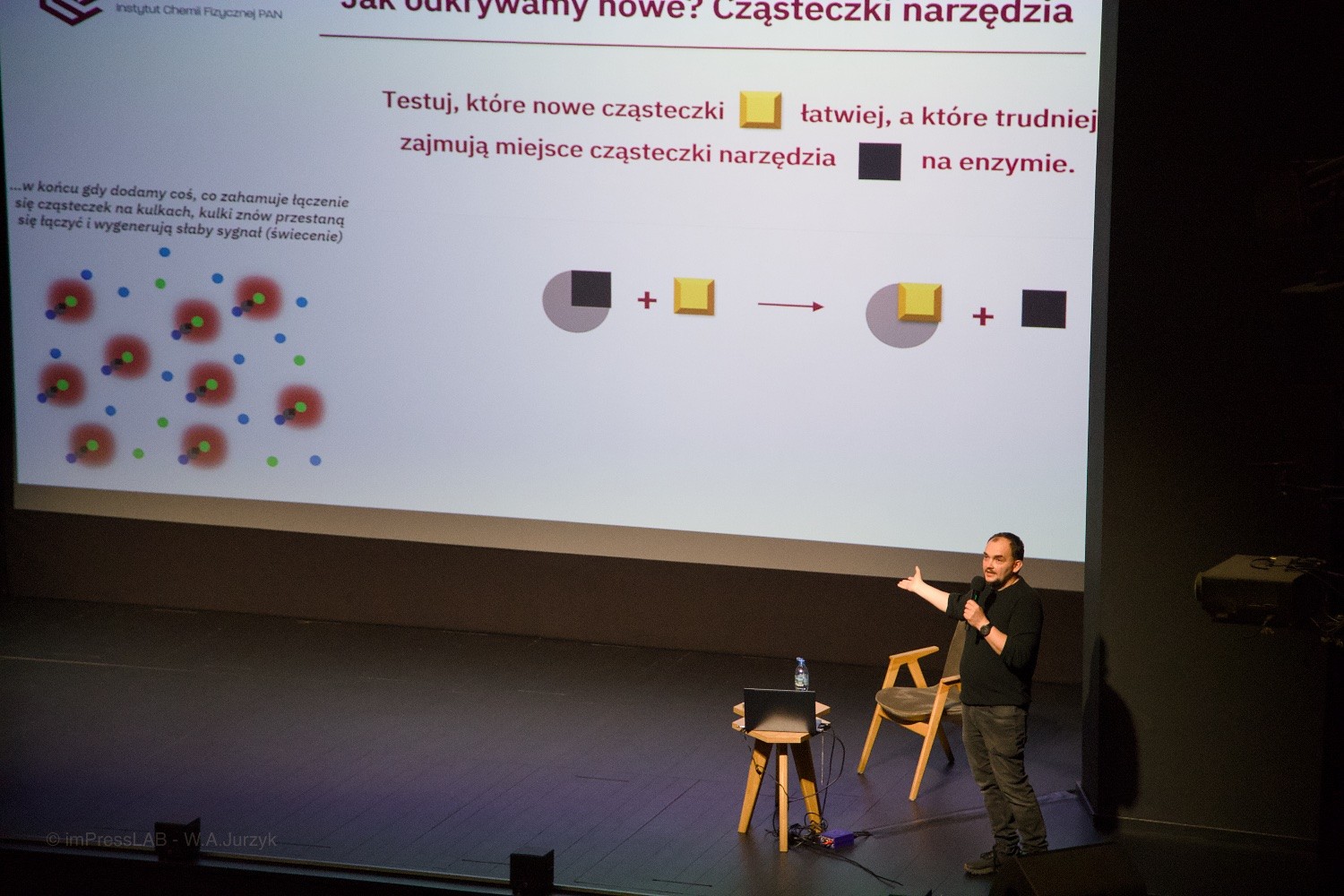
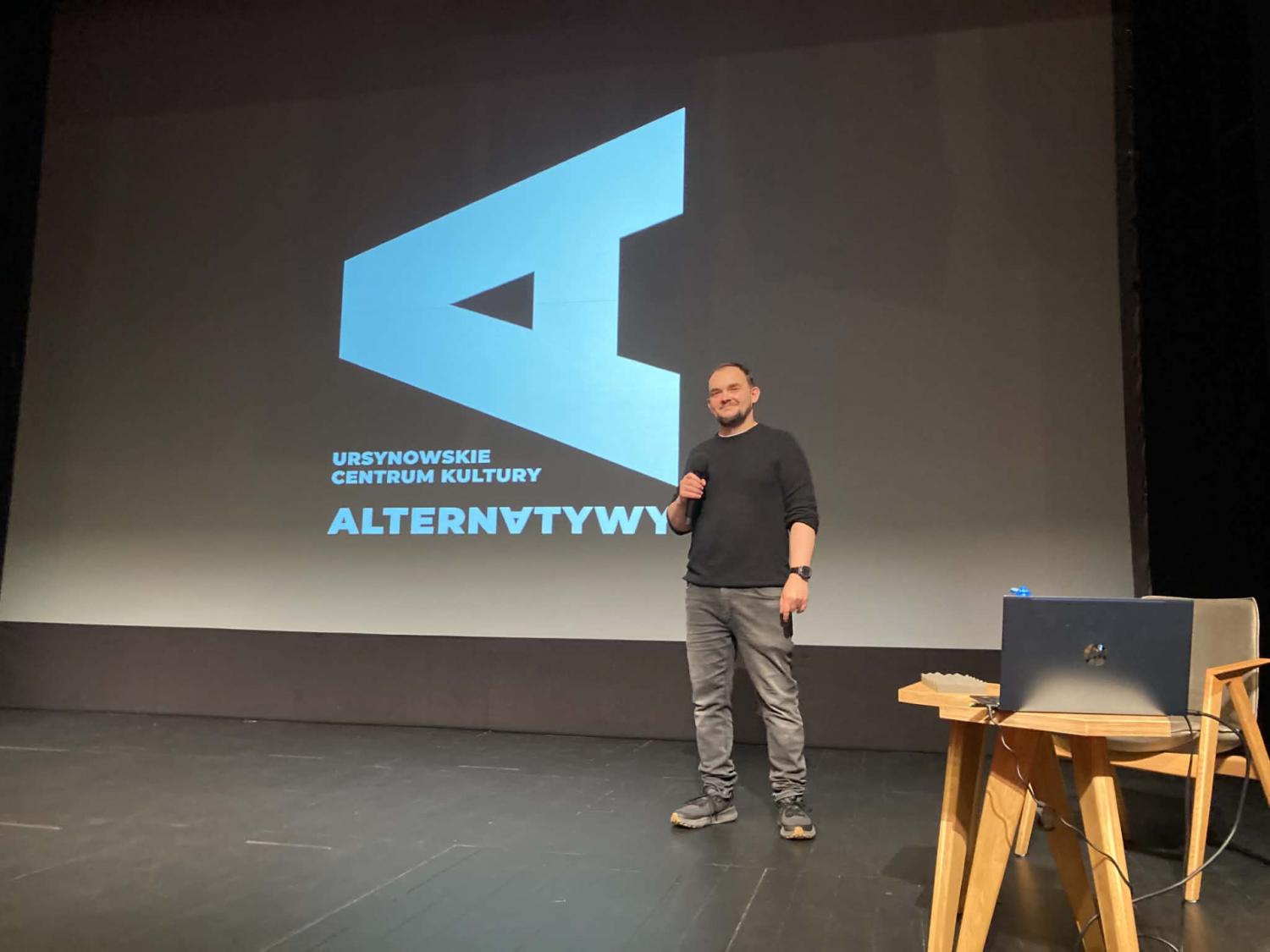
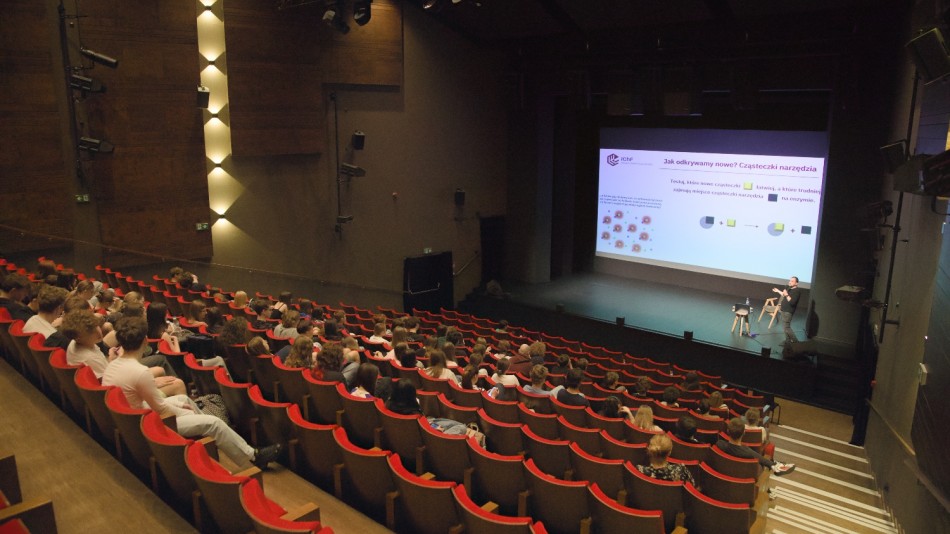
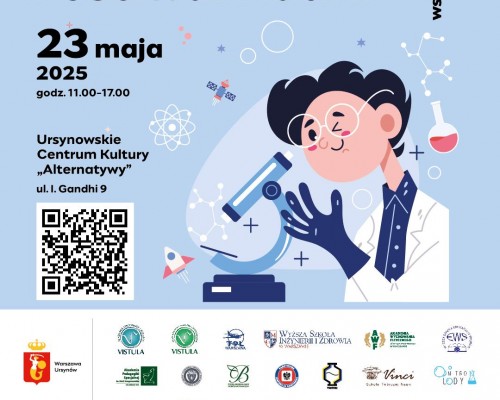
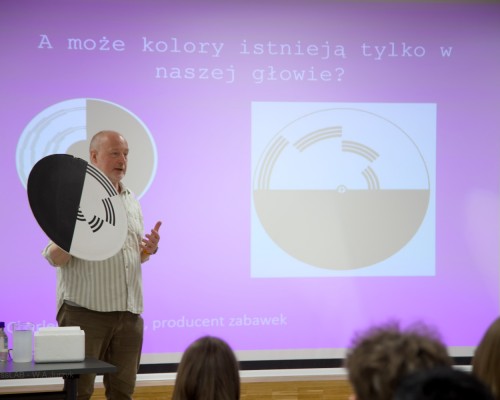
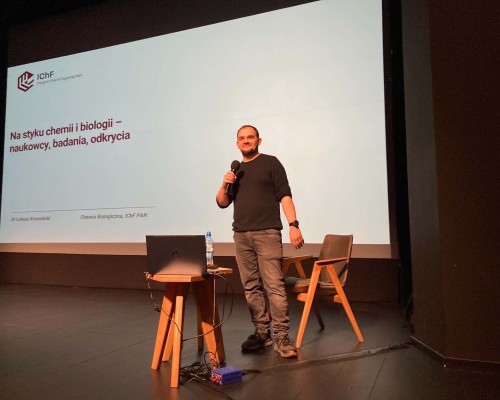
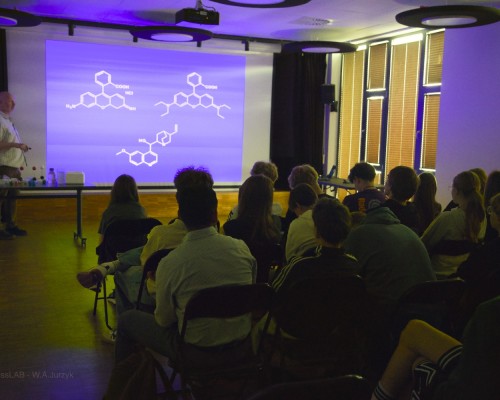
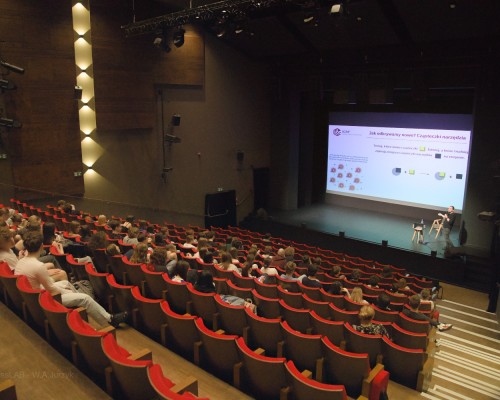
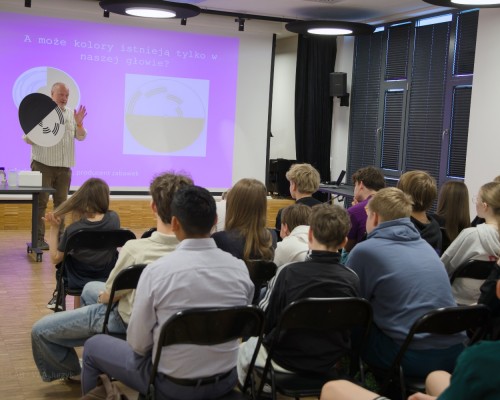
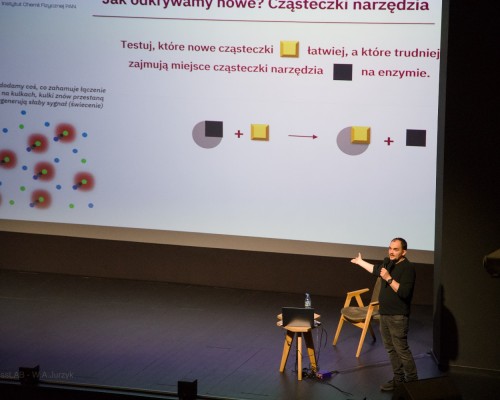
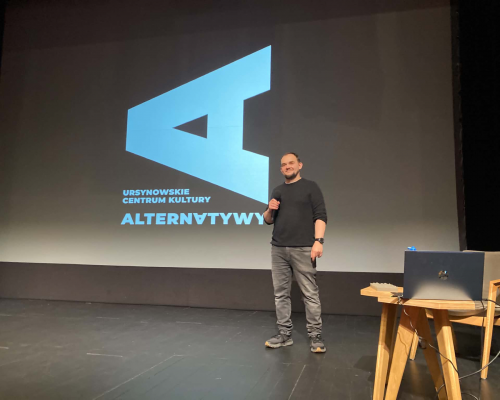
The Institute also participated in public outreach events across Warsaw. On May 23, IChF PAS took part in the Ursynów Science Festival, organized by the Mayor of Warsaw's Ursynów District in cooperation with the Alternatywy Ursynów Cultural Center and Lajos Kossuth High School No. LXIII. The festival brought together primary and secondary school students, as well as local residents, for a day of science workshops, demonstrations, and educational activities. The Institute of Physical Chemistry of the Polish Academy of Sciences was represented by Dr. Roman Luboradzki and Dr. Łukasz Krzemiński. Dr. Luboradzki delivered the lecture "How do scientists see the world, and why don't they like artifacts?" for high school students. Dr. Krzemiński presented the lecture "At the interface of chemistry and biology – scientists, research, and discoveries" for eighth-grade students, high school students, and local residents, introducing participants to the work of scientists, discoveries at the interface of chemistry and biology, and modern imaging techniques used in disease diagnostics.
Between April and June 2026, Dr. Roman Luboradzki also taught a series of six lessons at the Institute of Physical Chemistry of the Polish Academy of Sciences entitled "Solids, liquids, and gases", designed for students in the upper grades of elementary school and high school.
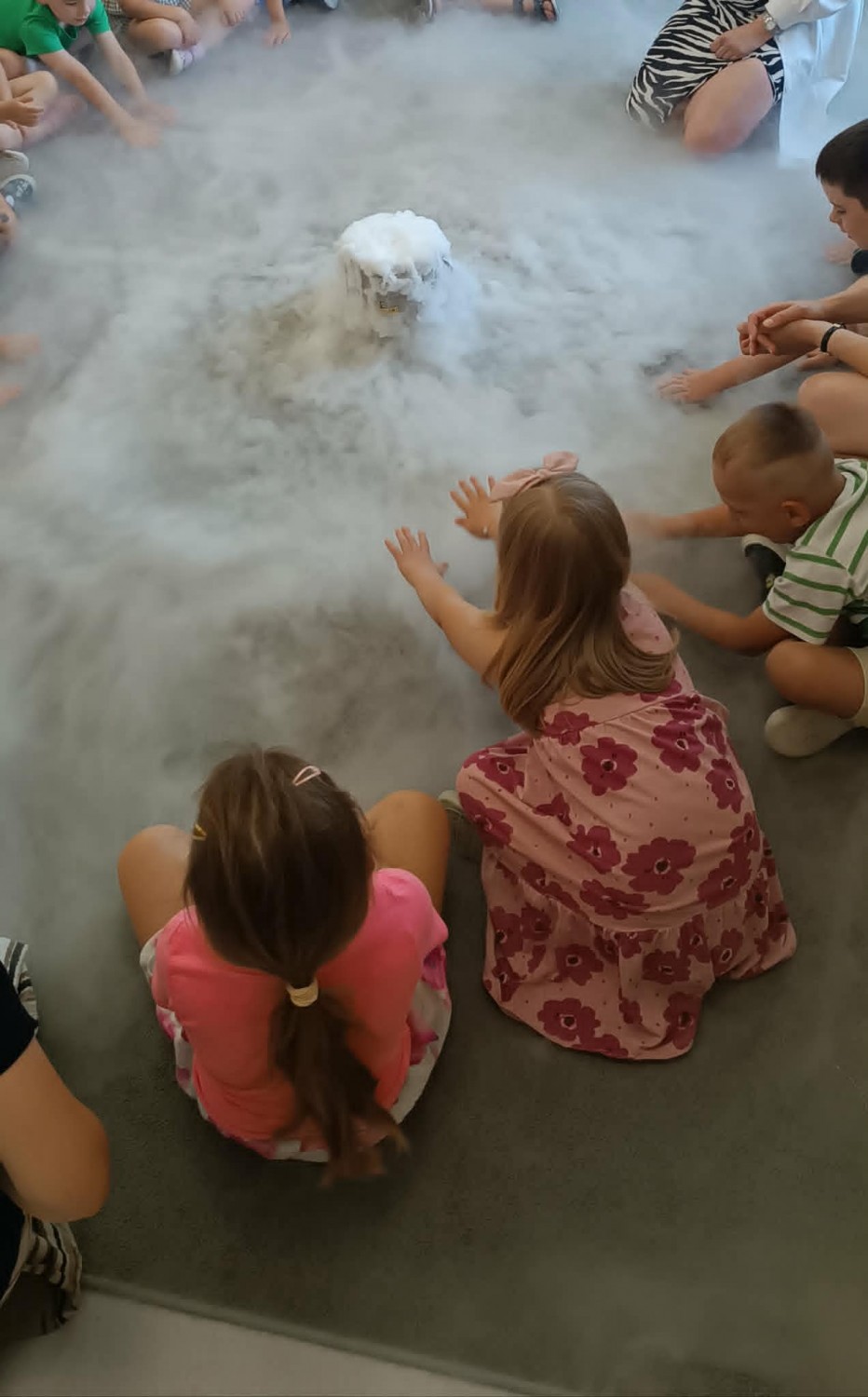
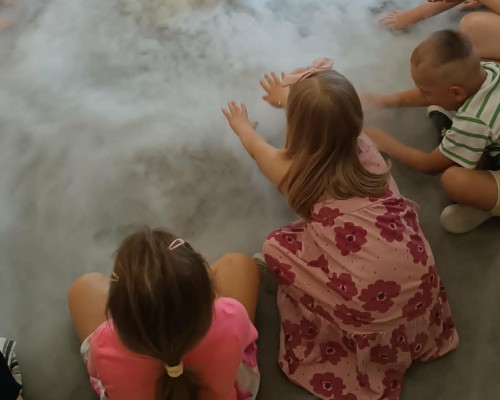
The quarter concluded on June 30 with chemistry demonstrations for the "Squirrels" preschool group at Preschool No. 3 in Ożarów Mazowiecki. The activities were led by Beata Pleskot and Dr. Agnieszka Wiśniewska. Children observed artificial snow, fog, the "bubble inside a bubble" experiment, milk painting, and several other demonstrations. All experiments were performed using everyday household ingredients commonly found in kitchens or bathrooms, demonstrating that many fascinating scientific phenomena can be explored safely in educational settings.
Through these outreach initiatives, IChF seeks to inspire curiosity from an early age, encourage interest in science, and show that chemistry plays an important role in everyday life. By engaging directly with researchers and science professionals, children and young people discover that experimentation is not only exciting but also an effective way to better understand the world around them.
Promoting science among children and young people is also an important part of the Institute's mission as the Polish Hub of the COALESCE project, co-creating the European Competence Centre for Science Communication. One of the project's key objectives is to strengthen dialogue between science and society by engaging local communities and advancing high-quality science communication across Europe.
- Date: 10.08.2026