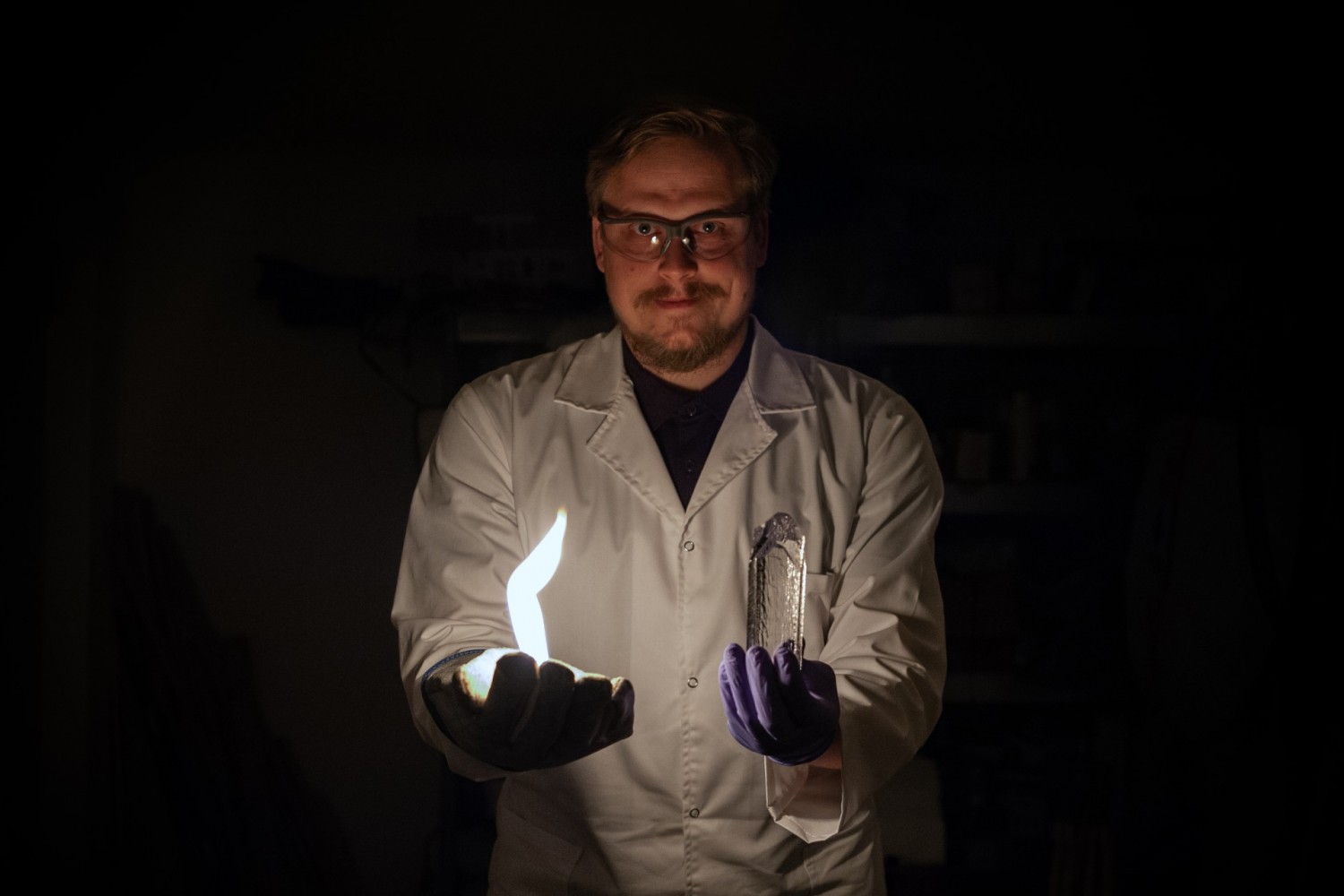
Warsaw Scientists Break New Ground in Safely Handling Dangerous Organometallic Compounds
Reading time: about 3 minuts
Warsaw, Poland - A groundbreaking study published in Science Advances by Professor Janusz Lewiński’s research group at the Institute of Physical Chemistry of the Polish Academy of Sciences and the Warsaw University of Technology unveils a transformative strategy for stabilising and analysing highly reactive organozinc compounds—offering a safer, more practical approach for chemists worldwide.
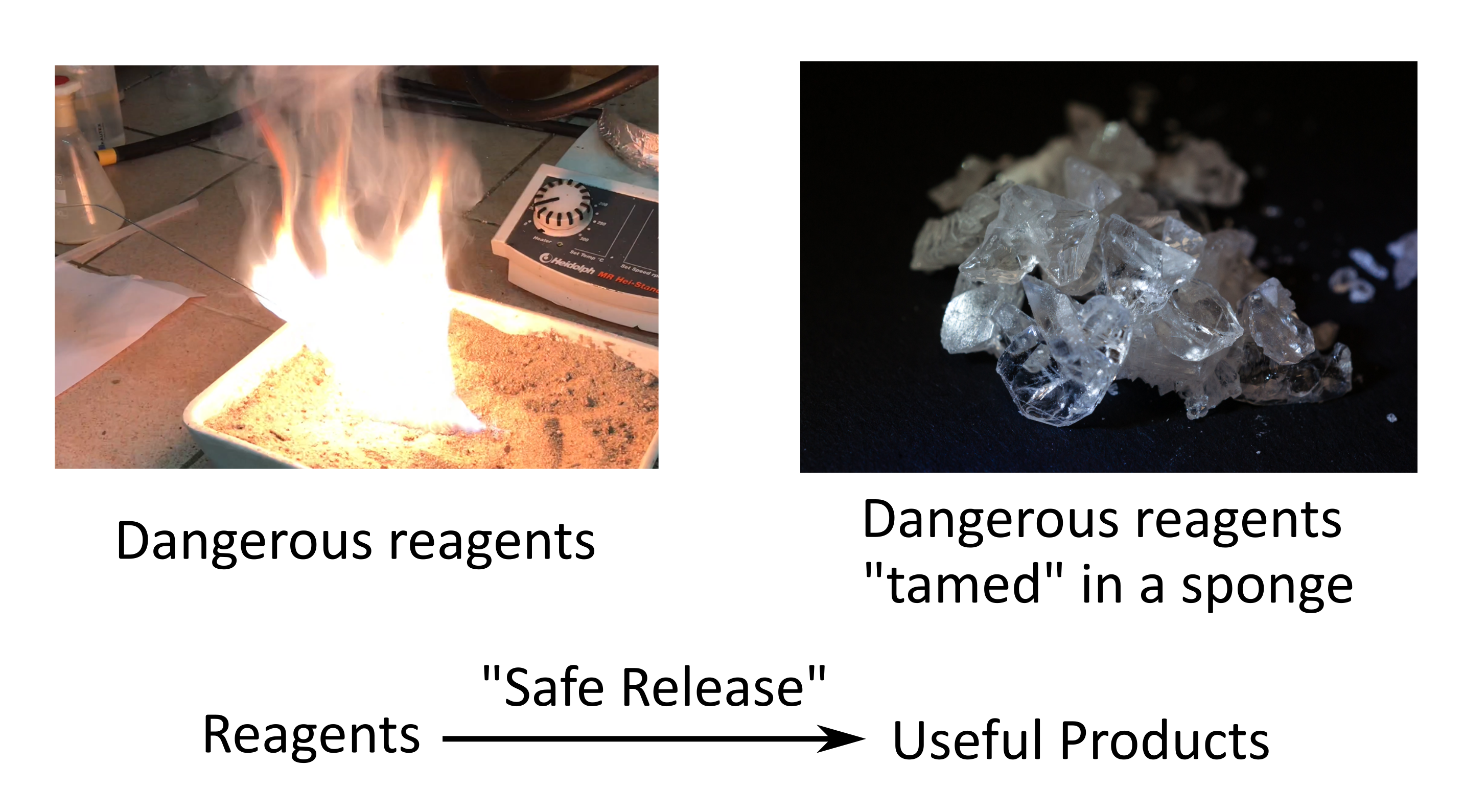
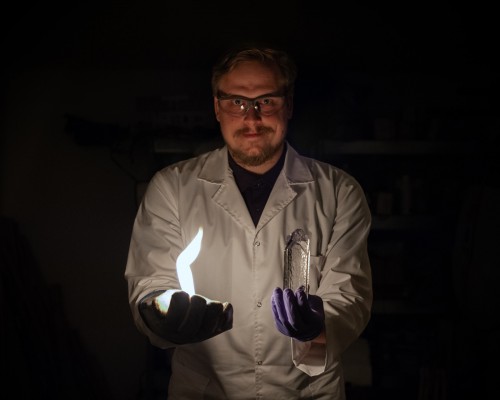
For nearly two centuries, organometallic compounds - including zinc dialkyls (ZnR₂) - have played a pivotal role in synthetic chemistry, catalysis, and nanoscience. Yet, their extreme sensitivity to air, including spontaneous ignition, has posed significant challenges to their safe handling and structural analysis. Their volatile and pyrophoric nature, especially in low-molecular-weight forms, like dimethylzinc (ZnMe₂) and diethylzinc (ZnEt₂), has long hindered detailed crystallographic studies due to their instability in ambient conditions.
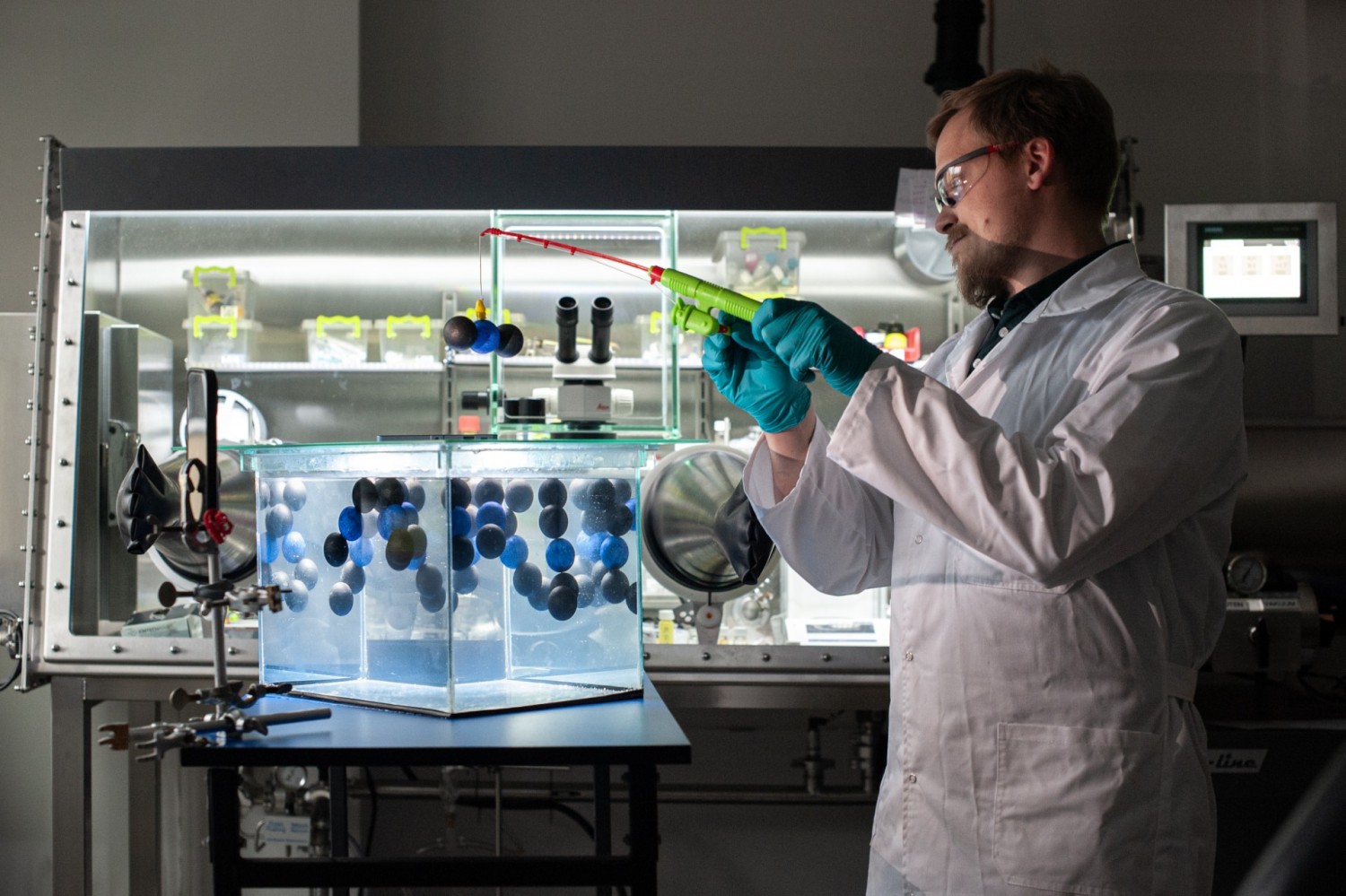
Now, the Lewiński group has introduced an innovative solution: encapsulating these reactive molecules in a custom-designed crystalline sponge formed by heteroleptic organozinc complexes. This host framework, stabilised by noncovalent interactions, securely immobilises the dangerous ZnR₂ molecules, allowing researchers to safely observe their molecular structures using conventional single-crystal X-ray diffraction techniques. “The noncovalent immobilization of ZnR₂ molecules within the crystalline matrix allows their structural characterization in a new confined environment,” said Dr. Iwona Justyniak, a co-author of the study.
The new method not only permits detailed structural studies but also enables the selective separation of similar compounds. “The great potential of the reported assemblies is demonstrated by efficient separation of ZnMe₂ from a mixture of ZnMe₂/ZnEt₂,” added Dr. Michał Terlecki.
Remarkably, the encapsulated compounds can also be released from the sponge-like framework through mild heating or by dissolving the crystals in an organic solvent - opening the door to reusable storage and controlled delivery of reactive agents.
With safety and precision at the forefront of modern chemical research, this novel approach offers a powerful new tool for synthetic chemists. “Our method paves the way for innovative supramolecular systems designed to capture, stabilise, and store dangerous reagents,” said Dr. Kamil Sokołowski, first co-author of the paper. “These systems act as crystalline sponges, allowing for the safe supply of highly reactive chemical species that can be delivered and utilised precisely when and where they are needed - for example, in catalysis or materials preparation - in a safe and controlled manner.”
This discovery marks a major leap forward in the field of organometallic chemistry and offers a promising path toward the safer and more effective use of hazardous chemical reagents in both academic and industrial settings.
CONTACTS:
Prof. Janusz Lewiński
Institute of Physical Chemistry, Polish Academy of Sciences
Phone: +48 22 343 2077
email: jlewinski@ichf.edu.pl
SCIENTIFIC PAPER:
“Stabilization toward air and structure determination of pyrophoric ZnR2 compounds via supramolecular encapsulation”
Kamil Sokołowski, Iwona Justyniak, Michał Terlecki, David Fairen-Jimenez, Wojciech Bury, Krzysztof Budny-Godlewski, Jan Nawrocki, Marek Kościelski, Janusz Lewiński
Science Advances, 2025, vol. 11, Issue 17, eadt7372
DOI: https://doi.org/10.1126/sciadv.adt7372
- Author: IChF’s own materials
- Contact: magdalena@osial.eu
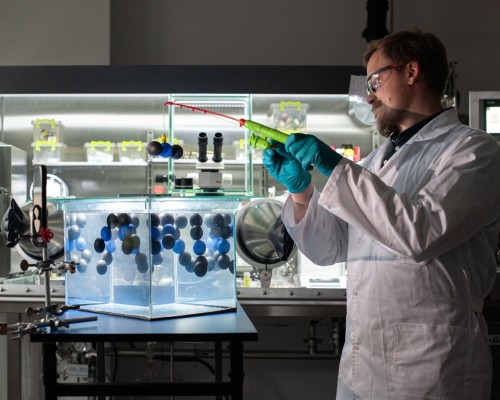
- Photo source: Grzegorz Krzyżewski
- Date: 30.04.2025