Science beyond borders: from ultrafast lasers to international connections through Erasmus+
Reading time: about 4 minuts
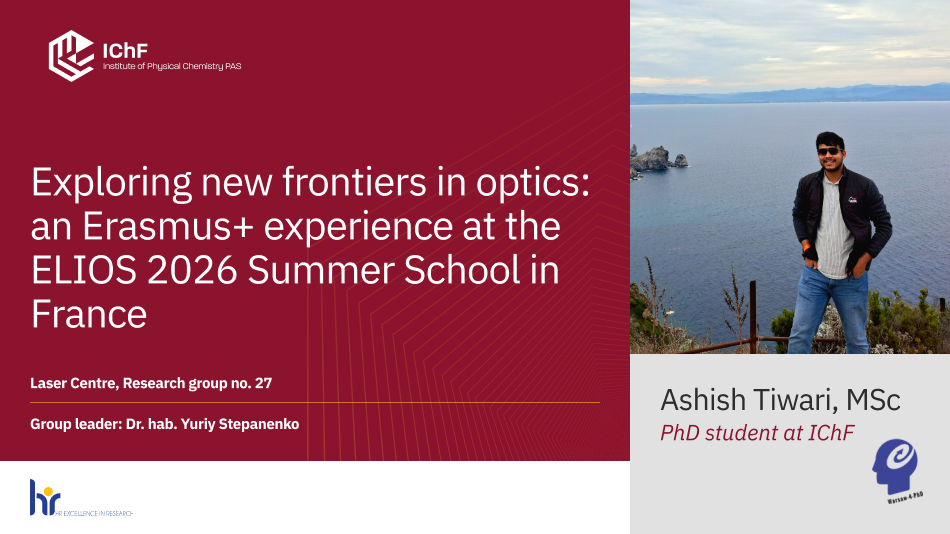
How can an international scientific experience bring new perspectives to a young researcher's work? For Ashish Tiwari, a PhD student at the Institute of Physical Chemistry, Polish Academy of Sciences (IChF), that opportunity came through participation in ELIOS 2026, an international school on nonlinear optics held in France with support from Erasmus+. A week of scientific training, discussions with experts, and encounters with researchers from different countries offered an opportunity to deepen his knowledge and see his doctoral work from new perspectives.
Connecting scientific knowledge with research
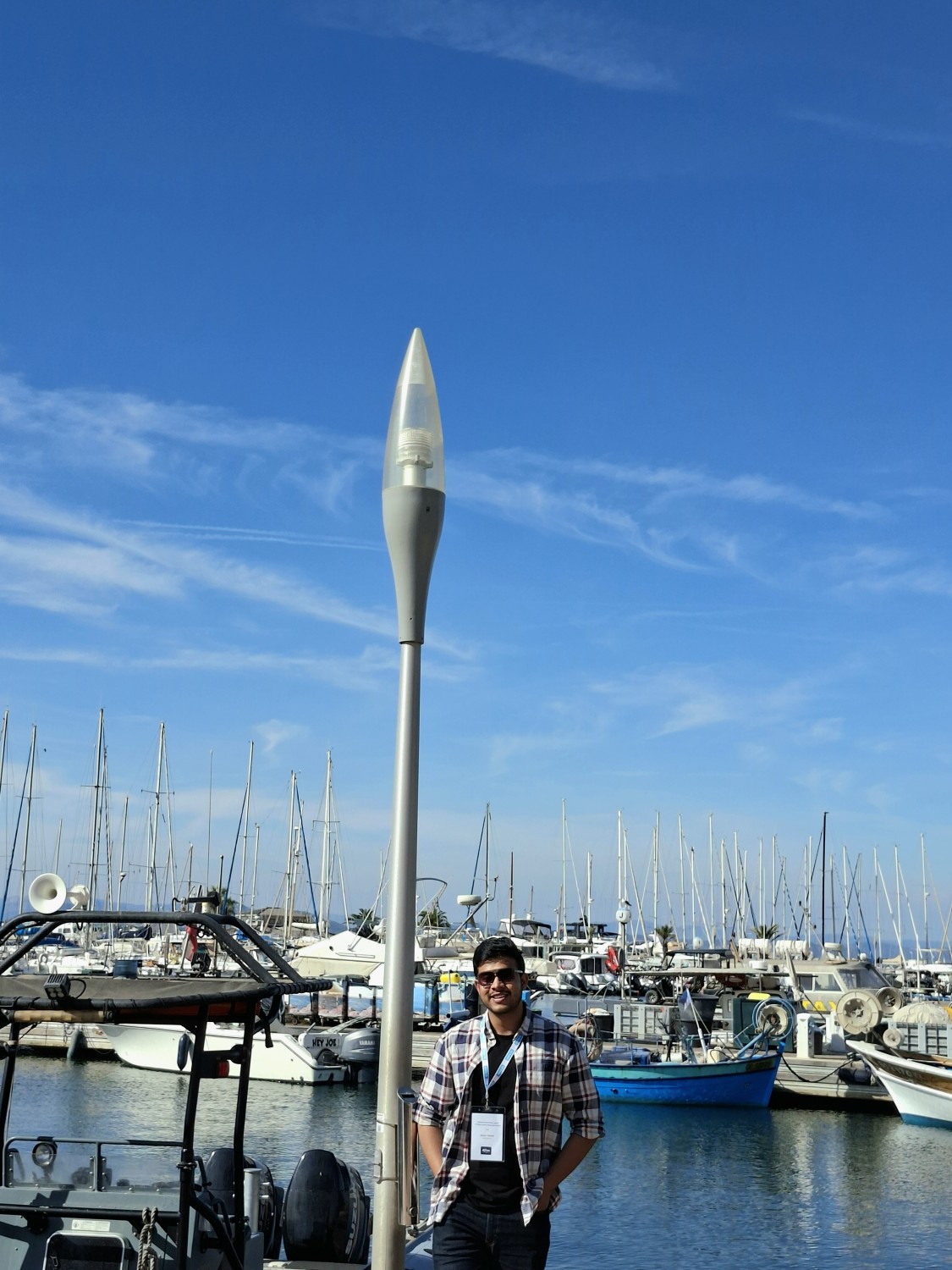
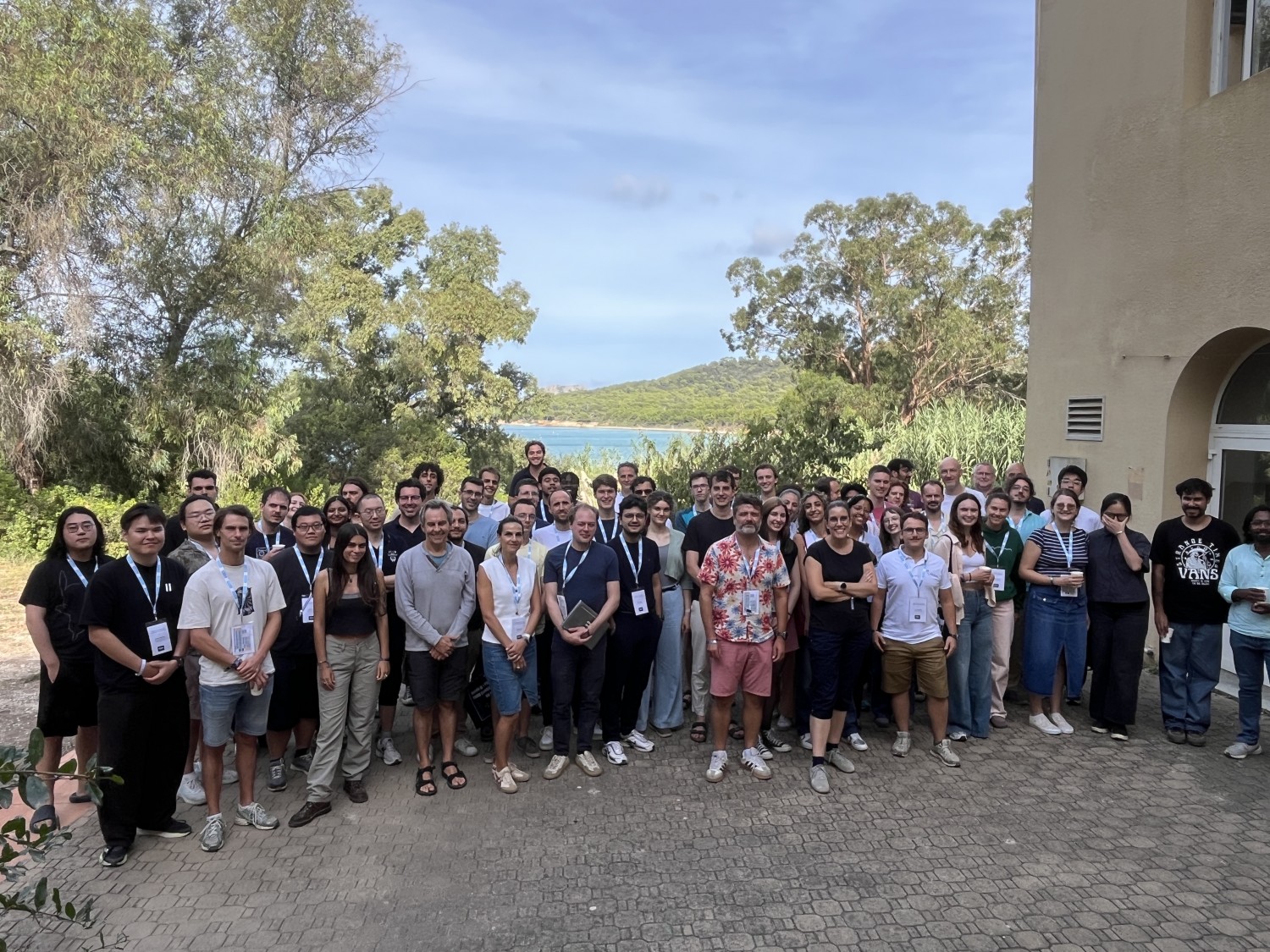
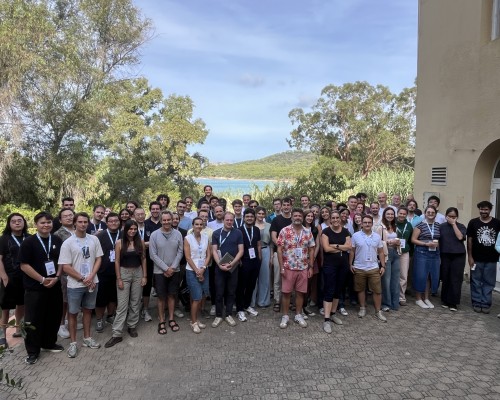
From September 27 to October 3, 2026, the Mediterranean island of Porquerolles hosted the second edition of ELIOS, an international school devoted to nonlinear optics in optical fibers and integrated optical systems.
With so many opportunities for specialized training, what makes a particular scientific school worth attending? For Ashish, the decision came down to its relevance to the questions he was already exploring.
"I chose this summer school because its scientific program was closely connected to my PhD research at IChF, particularly my work on nonlinear optics and ultrafast laser dynamics. The lectures helped me strengthen my understanding of the basic principles of nonlinear optics in fibers and gain insight into recent developments in the field," explains Ashish Tiwari.
Bringing new knowledge back to the laboratory
An international research experience becomes particularly valuable when new insights can be carried into ongoing scientific work. But what exactly did Ashish gain that could make a difference to his doctoral research?
"One particularly useful aspect was gaining a better understanding of nonlinear pulse propagation and how different nonlinear effects influence the spatial and temporal properties of ultrashort pulses. This is directly relevant to my PhD research, where I study ultrafast pulse dynamics in multimode fiber lasers," he notes.
Discussions with experts also introduced him to different approaches to analyzing and interpreting nonlinear optical processes. This exchange of perspectives is one of the important contributions of international scientific mobility, allowing researchers to explore familiar scientific challenges through different analytical frameworks.
Beyond the classroom: people, perspectives, and cultures
What happens when researchers from different countries and academic backgrounds meet outside a formal scientific setting? Often, some of the most memorable experiences emerge from the moments that are not part of the lecture program.
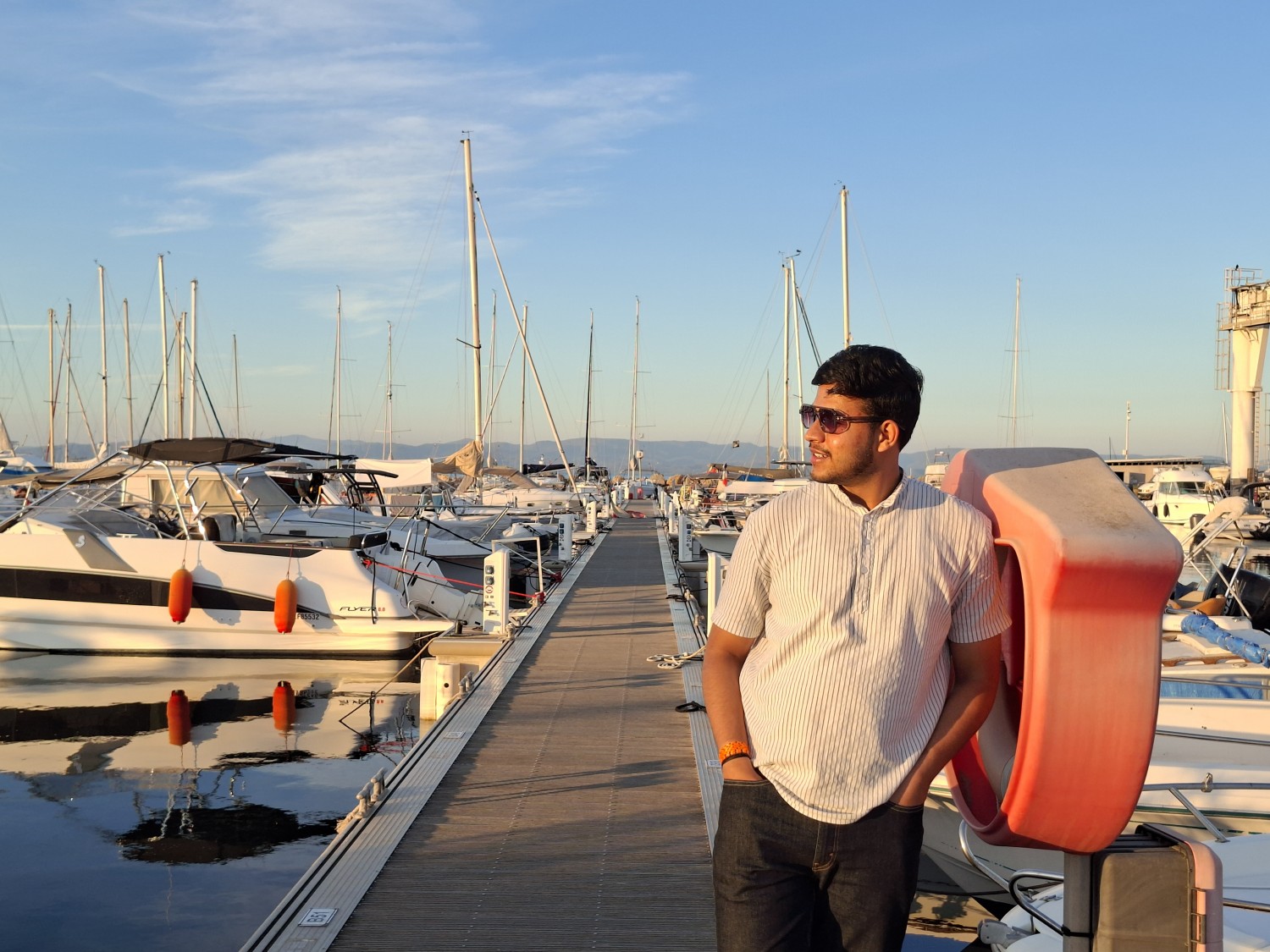
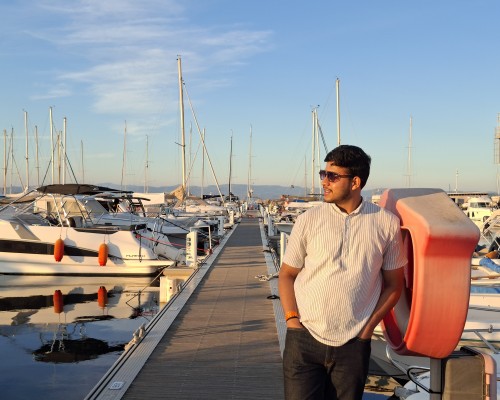
For Ashish, one such experience involved discovering Porquerolles and spending time with fellow participants.
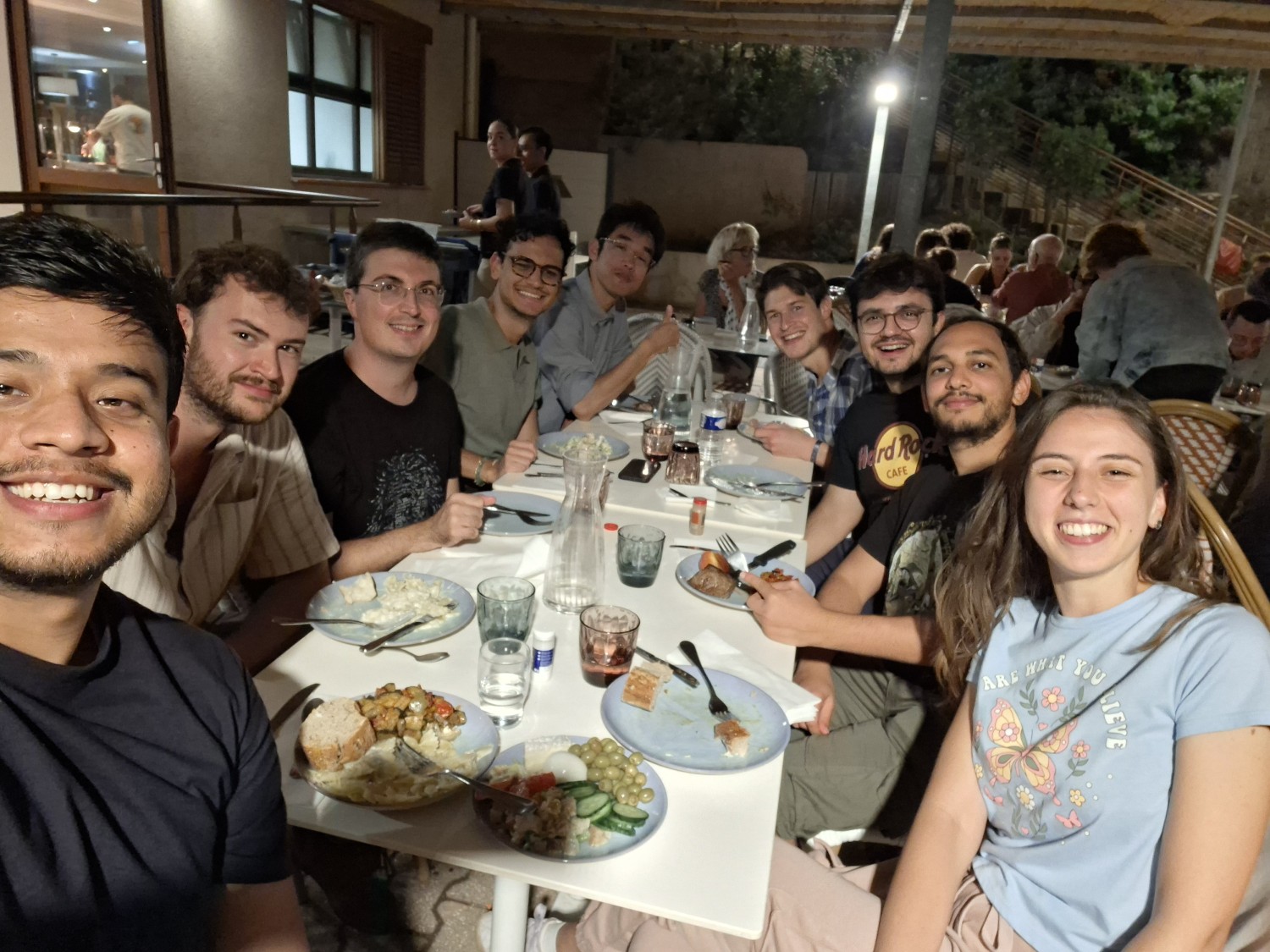
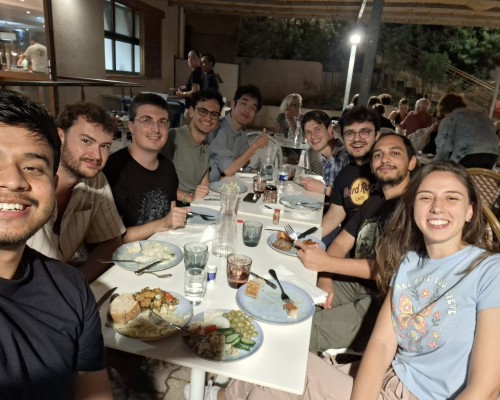
"I had many opportunities to interact with other participants of the summer school, who came from different countries and research backgrounds," Ashish recalls.
He also remembers exploring the island by bicycle and experiencing its Mediterranean surroundings.
"It gave me an opportunity to experience a different side of French life, particularly the importance given to nature, outdoor activities, and preserving the local environment."
Erasmus+ at IChF: opportunities that extend beyond borders
The Institute of Physical Chemistry, Polish Academy of Sciences has participated in the Erasmus+ program since 2014, supporting international mobility for doctoral researchers and staff.
Through Erasmus+, participants can undertake research placements, professional training, laboratory visits, and specialized summer and winter schools abroad.
In Poland, Erasmus+ is implemented and coordinated at the national level by the Foundation for the Development of the Education System (FRSE), which serves as the country's National Agency for the program. Its responsibilities include managing application procedures, awarding grants, and monitoring funded projects.
These opportunities contribute to scientific and professional development, encourage knowledge exchange, and strengthen connections with international research communities. They are also part of IChF's broader commitment to internationalization and the continuous development of its research environment.
Ashish's experience illustrates how international mobility can contribute to scientific development beyond the duration of an exchange. New knowledge, unfamiliar approaches, and encounters with other researchers can continue to shape the way scientists approach their work after returning home.
And what advice would Ashish offer to fellow doctoral researchers considering a similar opportunity?
"I would recommend planning the travel and accommodation well in advance and carefully checking the program beforehand."
Good preparation, combined with scientific curiosity and openness to new experiences, can help researchers make the most of the opportunities that international mobility provides.
Learn more about ELIOS 2026: https://elios2026.sciencesconf.org/
- Date: 6.11.2026